A flat tire 40 km from the nearest town quickly turns theory into practice. That's when the question of inner tube or tubeless for adventure riding stops being a forum discussion and becomes a choice that affects time, tools to carry, and margin for error when you're tired, loaded, and maybe in the rain.
If you're preparing your bike for real travel, the answer isn't absolute. It depends on what you're looking for: quicker roadside repairs, rims that are more tolerant to impacts, pressure management off-road, or ease of finding spare parts far from home. On a BMW GS or an Africa Twin used for long transfers with a lot of asphalt, tubeless has clear advantages. On bikes more oriented towards dirt roads or on traditional spoked wheels, an inner tube remains a sensible solution, provided you know what it entails.
Inner Tube or Tubeless for Adventure: The Real Difference
On paper, the difference is simple. In a tubeless setup, the air stays inside the tire, and the rim seals. With an inner tube, on the other hand, the air is contained by a separate inner chamber. But what really matters is how the problem is managed when something goes wrong.
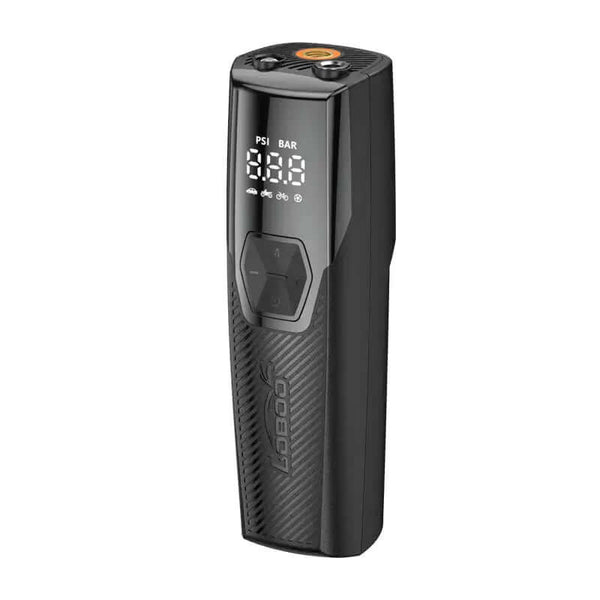
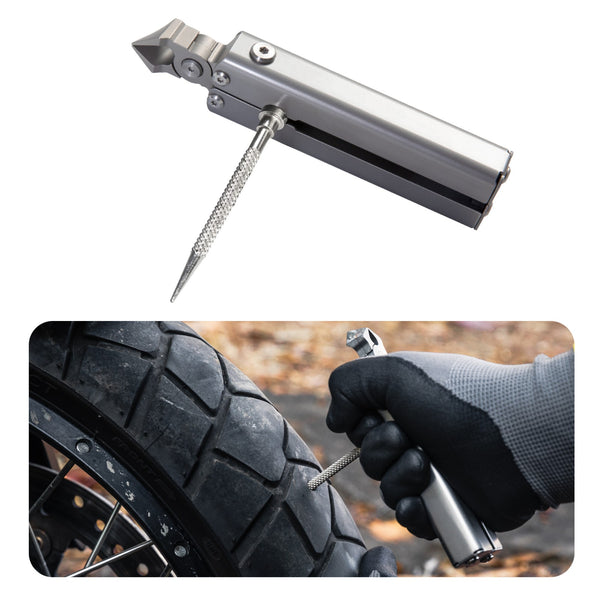
With a tubeless tire, in the classic nail or screw puncture, you can often intervene without removing the wheel. If you have a string repair kit and a small 12V compressor, in many cases, you'll be back on the road in a reasonable amount of time. Not always like new, but enough to get out of trouble and reach a place where you can check the work better.
With an inner tube, in most cases, you have to remove the wheel, break at least one bead of the tire, replace or repair the tube, and reassemble everything. If you're in the garage, it's routine. If you're on a rocky trail, in mud, or by the roadside with luggage mounted, it's a very different story.
This doesn't automatically make tubeless better. It just means it requires less work for the most common type of puncture. The inner tube, however, still has a strong point: on traditional spoked wheels, it's a proven solution and often easier to manage after serious rim impacts, when tubeless sealing can become the real problem.
When Tubeless Makes Sense for Adventure
If you take long trips, cover highway transfers, and alternate between asphalt and touristy dirt roads, tubeless is often the more practical choice. The main advantage isn't theoretical: it's the time you save when you get a flat and the probability of getting back on the road without disassembling half the bike.
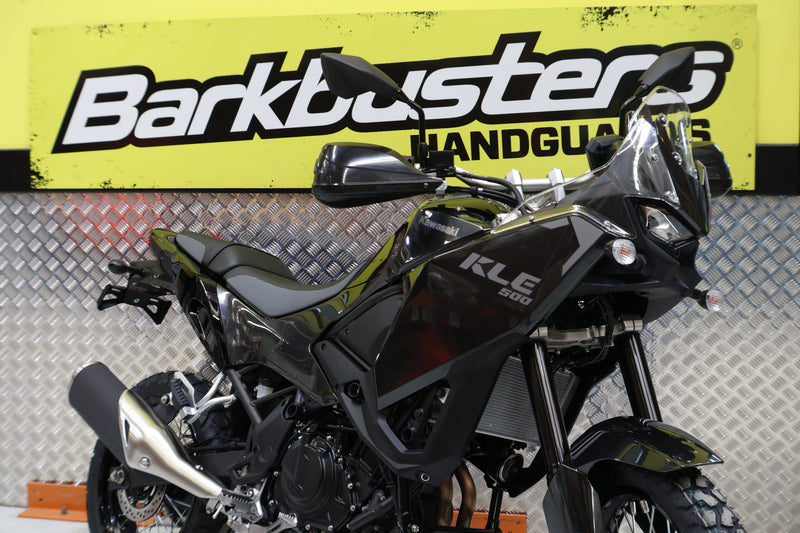
On bikes like the R 1250 GS, R 1300 GS, Tiger 900 or 1200, Ducati DesertX, many configurations already come with wheels designed for tubeless. In this context, the system works well because it combines speed of repair, more immediate control of pressure loss, and convenient management on trips where every hour lost counts.
There's also another practical aspect. A small perforation on a tubeless tire often tends to lose air less abruptly compared to a pinched or torn inner tube. It's not an absolute rule, but in practice, it can give you those useful seconds to understand what's happening and stop with more control.
The downside is that tubeless requires rims in good condition. If you hit something hard and deform the rim channel, the tire might not seal anymore. In that case, a classic repair kit isn't enough. And if the damage is to the rim, an on-the-road solution can become more complicated than a normal tube replacement.
Tubeless and Off-Road Pressures
In true adventure touring, many lower the pressure when riding on broken or sandy terrain. With tubeless, you can do this, but within sensible limits and with attention to the type of rim, the weight of the bike, and the load. On a maxi-enduro weighing over 230 kg in running order, plus luggage, going too low risks bead unseating or hard impacts to the rim.
If you do light or medium dirt riding, tubeless remains very balanced. However, if your use involves slow rocky sections, ruts, steps, and lowered pressure for traction, the limitations of a heavy bike with a tubeless rim start to emerge.
When the Inner Tube Remains a Valid Choice
The inner tube is not outdated technology. It's a solution that continues to make sense on many dual-sport bikes and some simpler adventure bikes, especially when the focus is on dirt roads and not fast transfers.
The first reason is compatibility with many traditional spoked wheels. The second is its tolerance for hard use. If the rim takes a hit and gets marked, you can often still work with a new tube and get back on the road. It's not elegant, but when traveling, getting moving again is what matters.
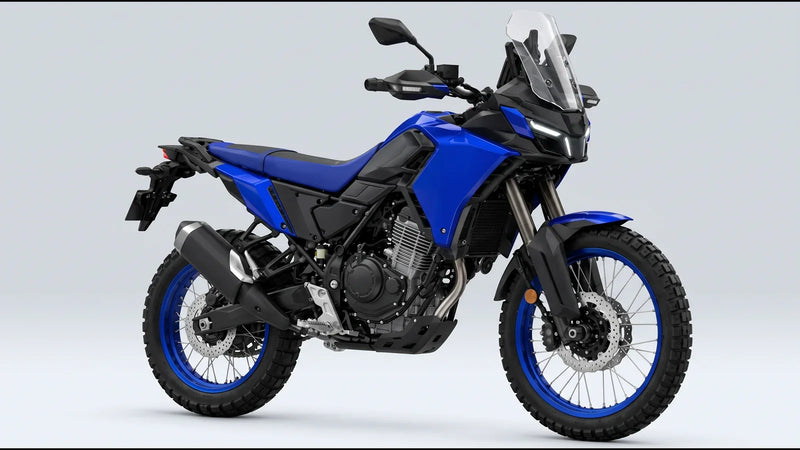
On bikes like the Ténéré 700, Himalayan, or other configurations oriented towards rougher mixed use, the inner tube still makes strong sense. Especially if you're someone who is willing to carry levers, a spare tube, and tools, and considers repair part of the package.
The main limitation is clear: it requires more dexterity. If you've never removed a wheel by yourself, the first time on a trip is not the ideal moment to learn. Furthermore, pinching the tube remains a real risk when you lower the pressure too much or hit a rock or step hard.
Inner Tube and Technical Autonomy
Here, your profile comes into play, not just the bike. If you often travel far from workshops, crossing areas where a 21 or 18-inch tube is easier to find than a specific tubeless rim spare part, the inner tube can even simplify your life. Not because it's more convenient, but because it's more universal to manage in the field.
However, consistency is needed. If you choose an inner tube, your tool kit cannot be improvised. You must have at least correct spare tubes, adequate levers, an inflation system, and a minimum of real practice. Otherwise, the theoretical advantage remains only theoretical.
Repairs: What Really Changes on a Trip
The real question isn't which system is absolutely better. It's what problem you are willing to solve yourself.
With tubeless, a small puncture is often the most favorable situation. You identify the foreign object, remove it, insert the string, inflate, and check. If the hole is on the tread and manageable in size, you have a good chance of getting back on the road without removing the wheel.
With an inner tube, the procedure is longer and more physical. You have to remove the wheel, open the tire, work carefully not to pinch the new tube during reassembly, and bring everything back to pressure. After a 600 km day, with a loaded bike, that's not a minor detail.
On the other hand, if you seriously cut a sidewall or damage the rim, neither system is magic. Tubeless loses much of its advantage. The inner tube can offer you more leeway only if the tire and rim are still in acceptable condition to allow for a cautious restart.
How to Choose Between Inner Tube or Tubeless for Adventure
If your usage is 70-80% asphalt, with easy dirt roads, long trips, and attention to intervention times, tubeless is often the most rational choice. It simplifies your life in typical punctures and reduces the work required roadside.
If, however, you focus more on technical dirt roads, accept working on the bike, and prefer a proven solution on traditional rims, the inner tube remains consistent. Not because it's more modern or more effective in everything, but because in certain contexts, it's still the most suitable.
The weight of the vehicle also matters. A loaded adventure maxi-enduro stresses tires and rims differently than a lighter dual-sport. The type of tire you use matters. How autonomous you are with tools matters. And your tolerance for long repairs in the middle of nowhere matters.
The Right Choice is the One You Can Manage
When in doubt, many look for the most advanced solution. In reality, on a trip, the system you truly know works best. A tubeless setup with an untried repair kit can put you in as much trouble as an inner tube replaced for the first time on a mule track. A sensible choice always comes from three things: your type of routes, your bike, and your ability to intervene when something breaks.
If you're preparing your bike for a trip, don't just stop at the tire. Look at the complete package: wheel, tools, pressures, load, and realistic intervention times. That's where the question of inner tube or tubeless for adventure finds a useful, not keyboard-driven, answer. And when that answer matches your way of traveling, you'll realize it at the first well-managed unforeseen event.