

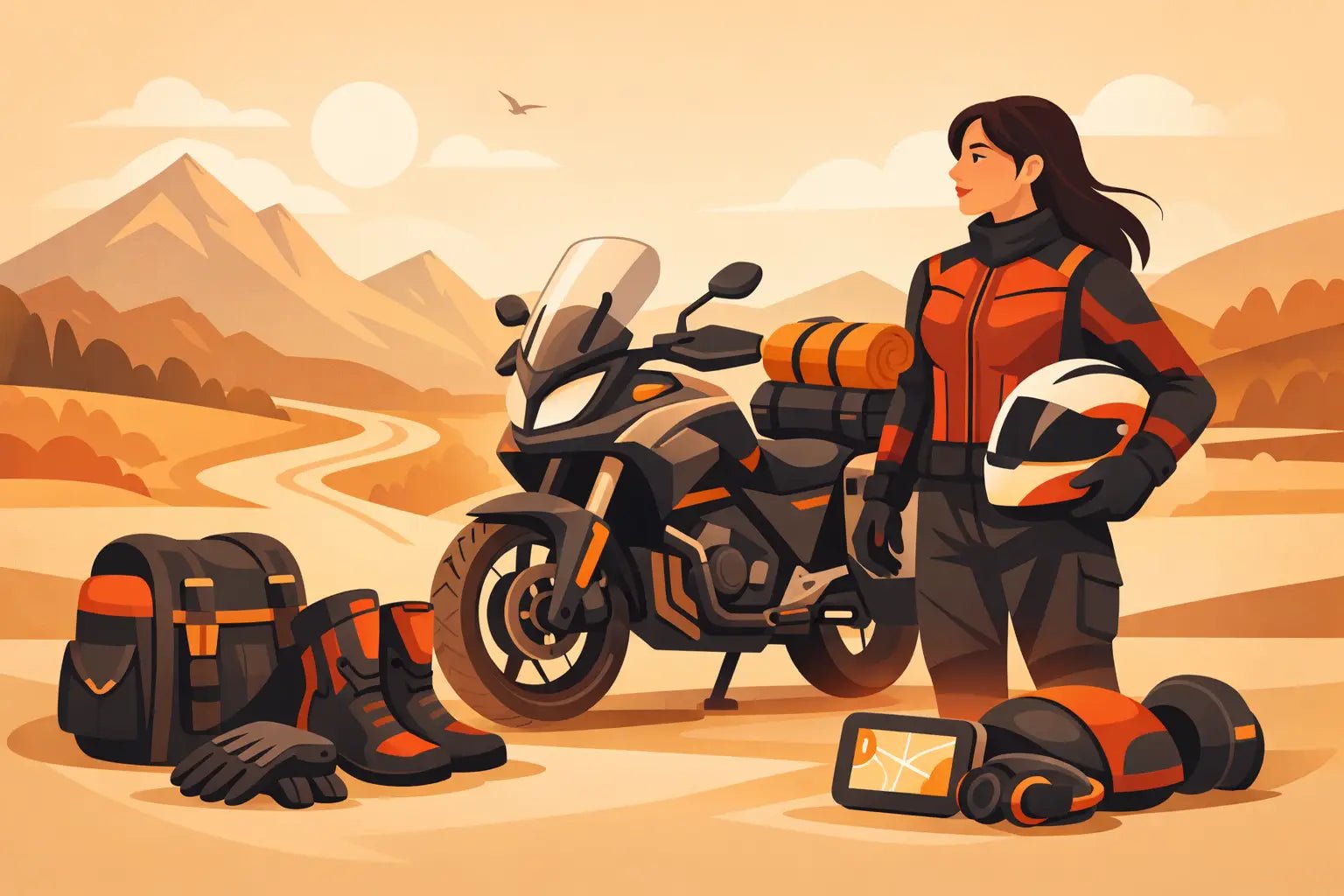
Starting with the right motorcycle is not enough. On long trips, the difference between a smooth day and an exhausting leg comes down to very practical details: aerodynamic protection, load capacity, visibility, ergonomics, and well-organized electronics. That is why a true Touring motorcycle equipment: complete list for safe and comfortable travel checklist must go beyond the accessories that are merely “nice to have” and focus on what can withstand miles, changing weather, and real-life surprises.
What touring motorcycle equipment must include
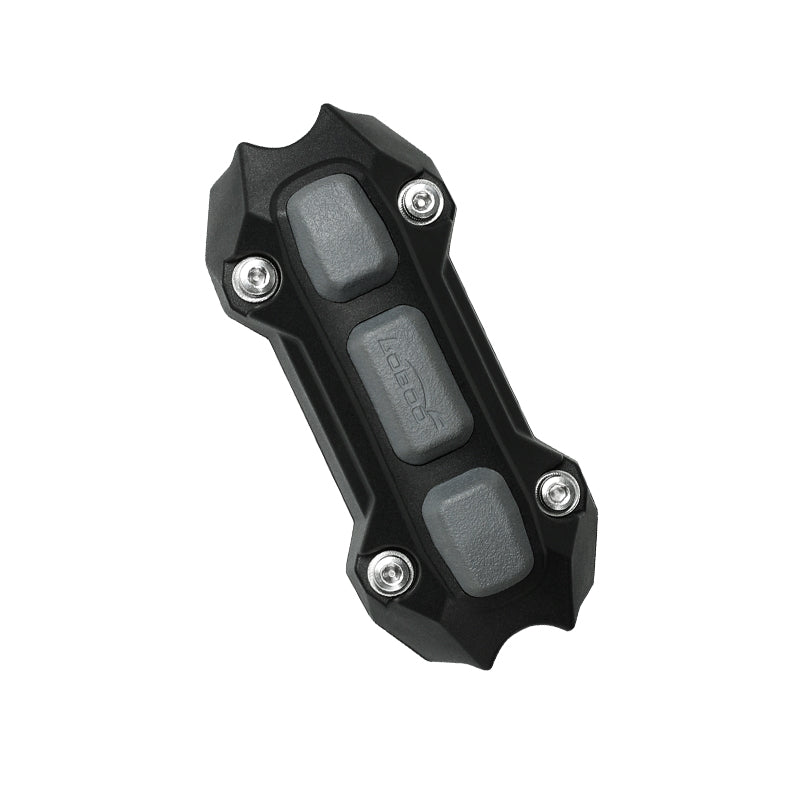
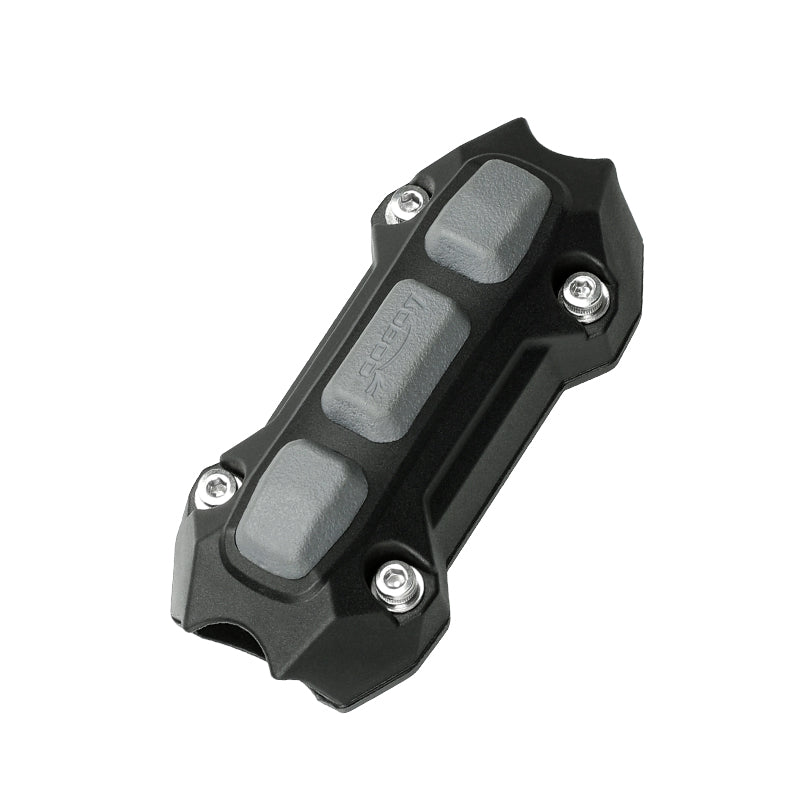
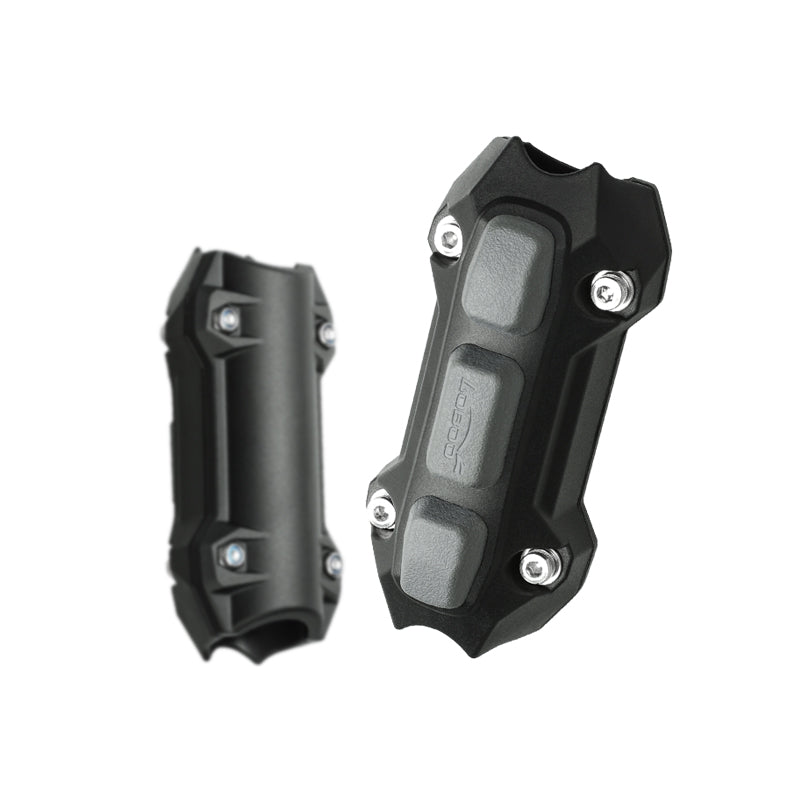
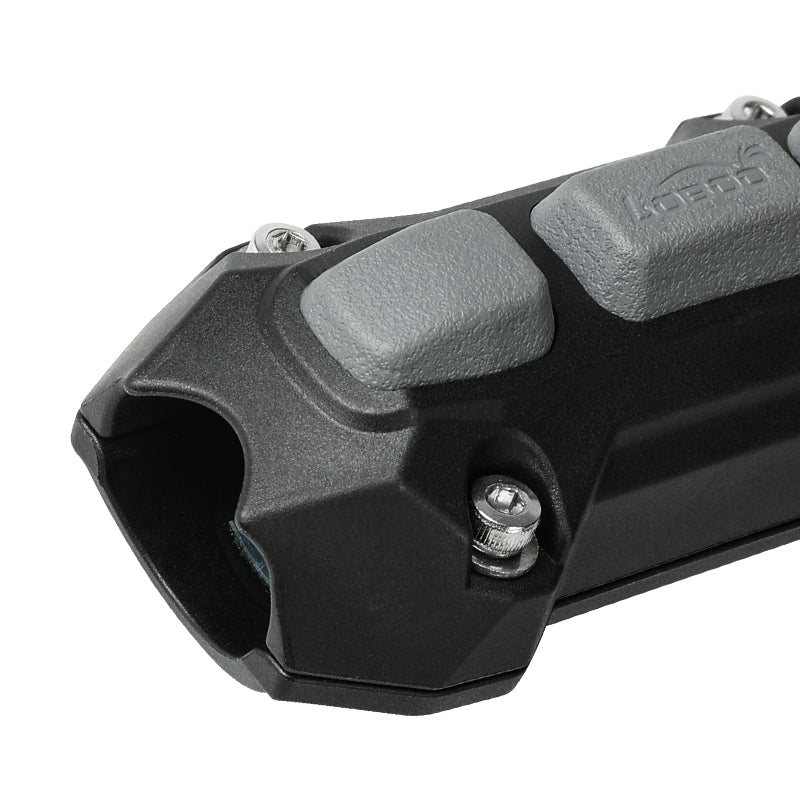
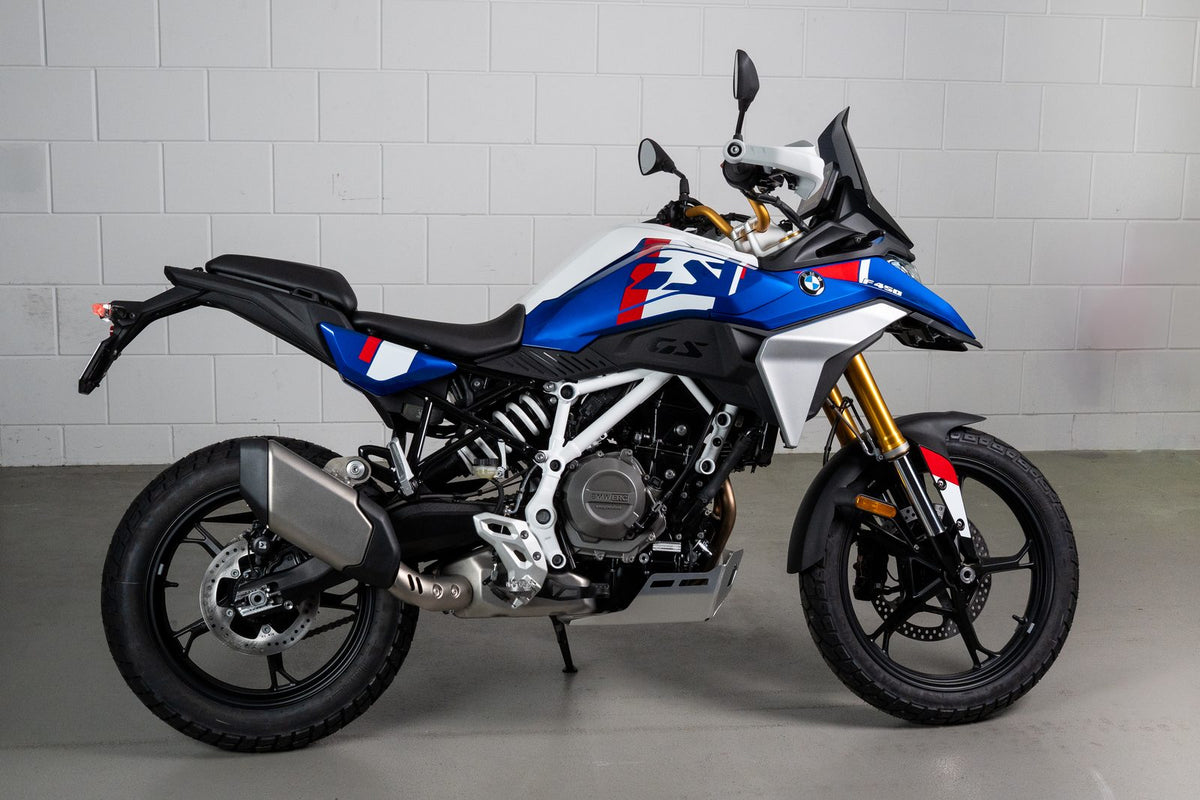
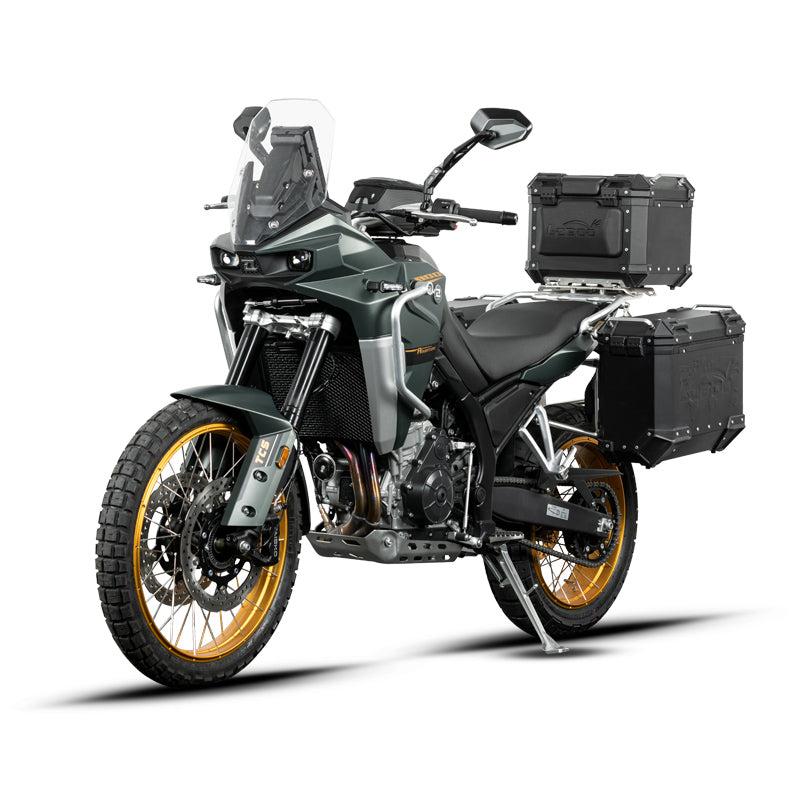
The first category concerns protection for the motorcycle and rider. If you ride platforms such as BMW GS, KTM Adventure, Africa Twin, or Tiger, you already know that a stationary fall or a maneuver on uneven ground can turn into costly damage. Crash bars, radiator guards, reinforced handguards, and a skid plate are not secondary accessories: they are components that help preserve the motorcycle when the journey gets longer and the asphalt ends.
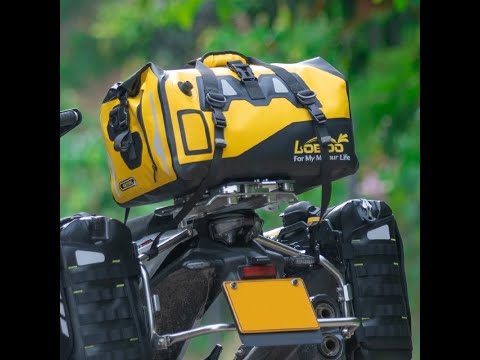
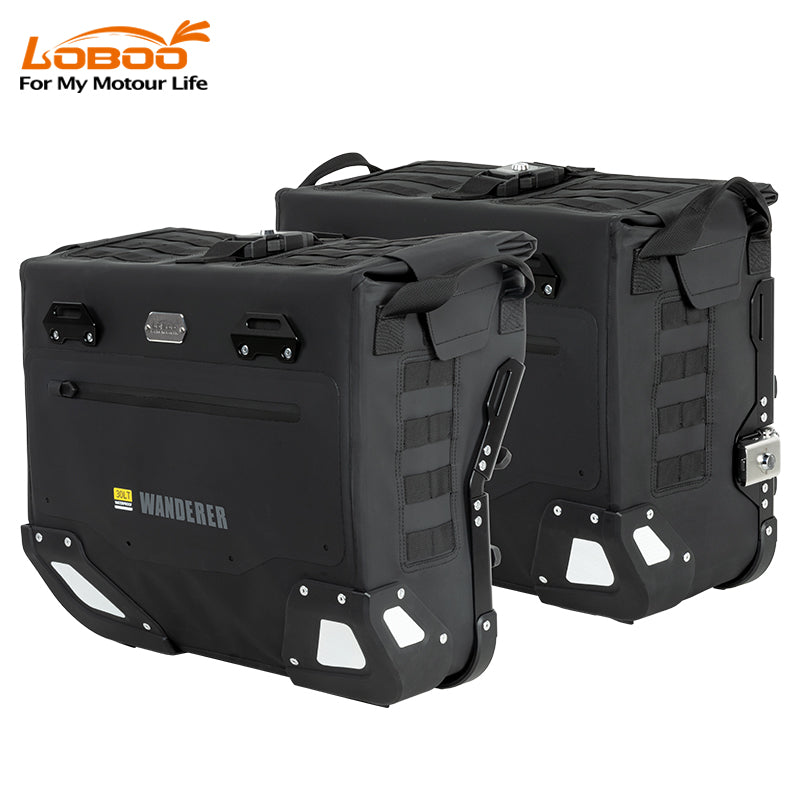
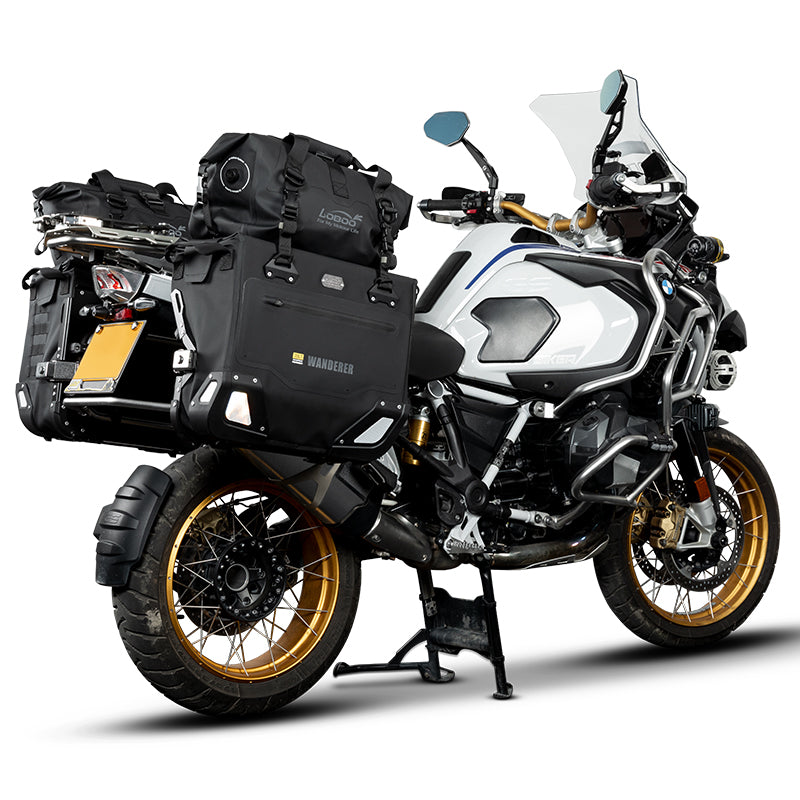
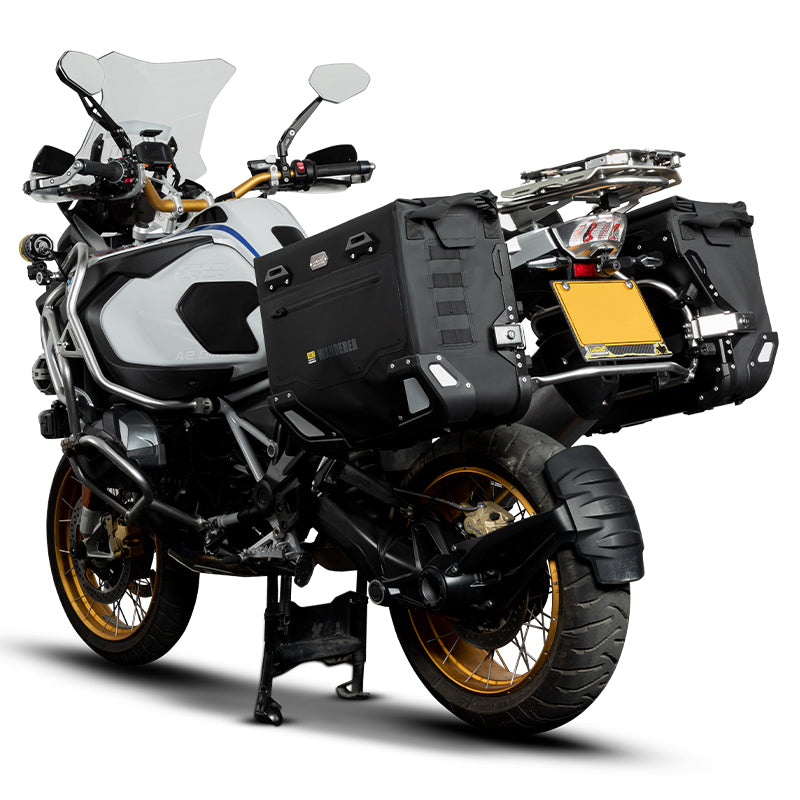
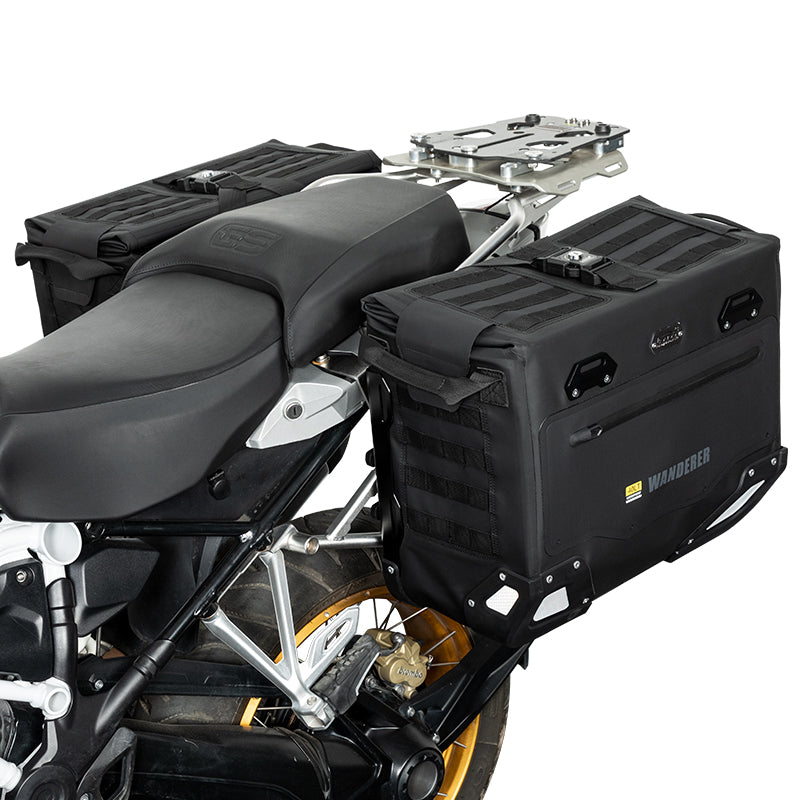
Next comes luggage. An effective touring setup must be stable, waterproof, and compatible with the motorcycle’s frame. Hard cases provide security, impact protection, and organization during road transfers. Semi-rigid solutions reduce weight and bulk, often performing better when the route includes unpaved or technical sections. If you are considering which configuration to adopt, you may also find it useful to read How to choose motorcycle luggage: aluminum or semi-rigid.
Complete list: safety, comfort, and functionality
Safety starts with visibility. A good supplementary lighting system improves your view of the road and makes the motorcycle more visible in traffic, especially in rain, fog, or at night. It is not enough to add lumens: you need the right brackets, a properly adjusted beam, and reliable components. You can find a useful in-depth guide on this subject in Motorcycle auxiliary lights: test and comparison 2026.
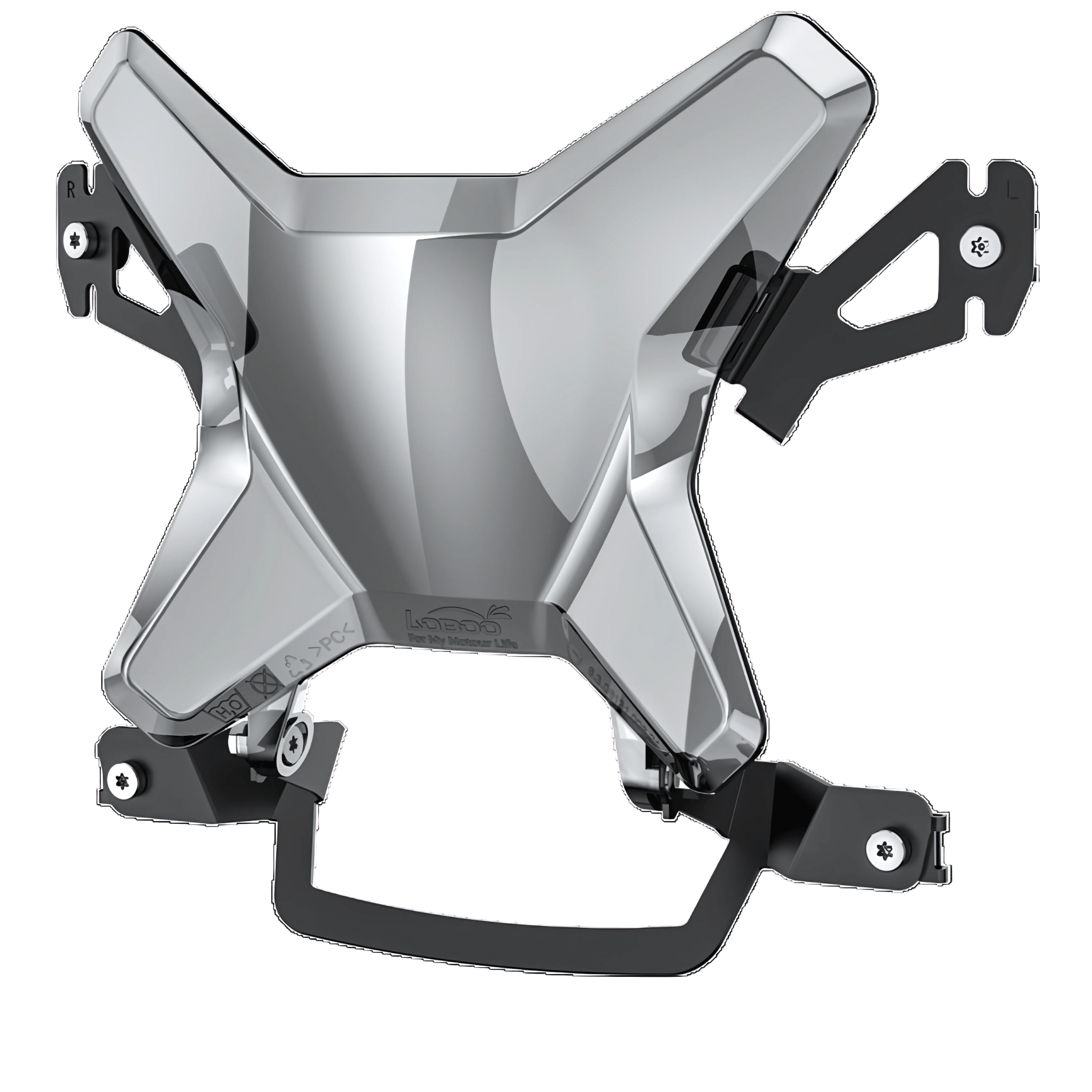
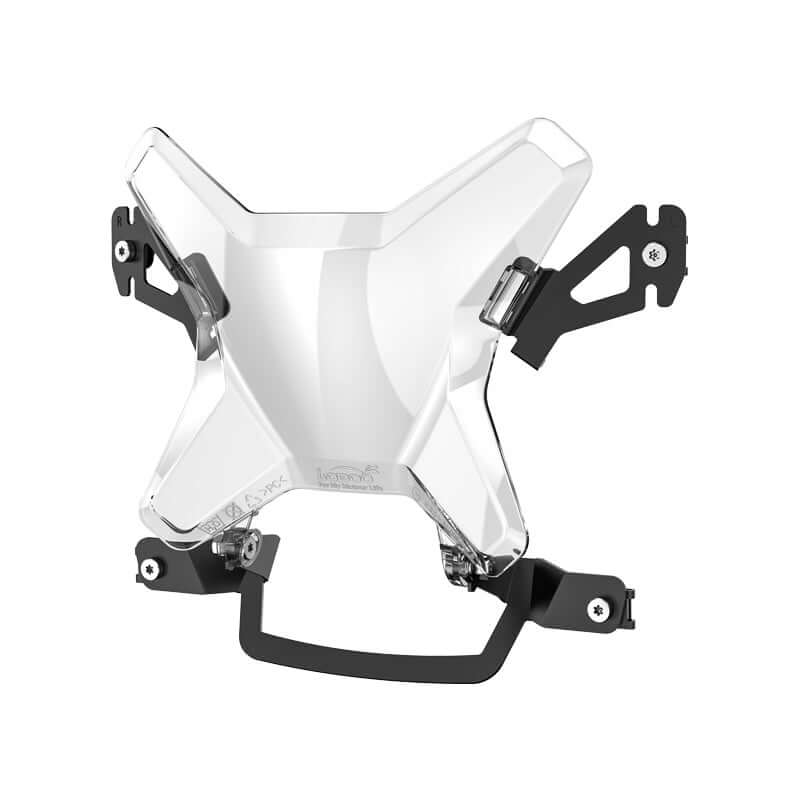
When it comes to comfort, ergonomics are the critical factor. After a few hours, the same limitations always emerge: airflow onto the helmet, pressure on the seat and wrists, vibrations, and leg position. A suitable windscreen, adjustable spoilers, comfort seats, lowered or rear-set footpegs, and handlebar risers can radically improve the quality of the journey. But there is one simple rule here: every modification must be made according to your height, the helmet you use, and the type of route. A taller windscreen, for example, provides better protection on the highway but can create bothersome turbulence if poorly combined with the riding position.
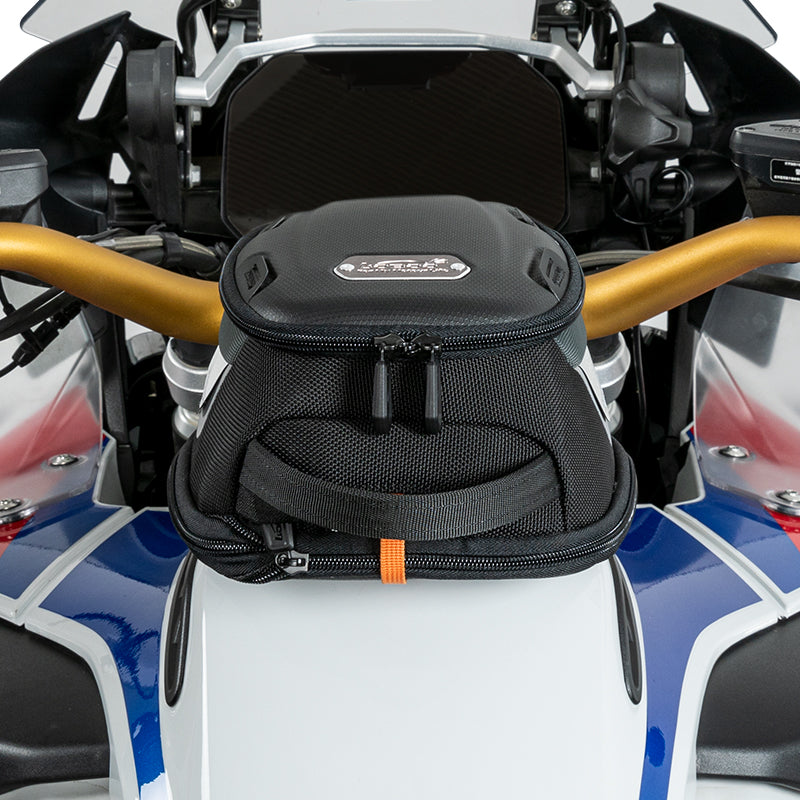
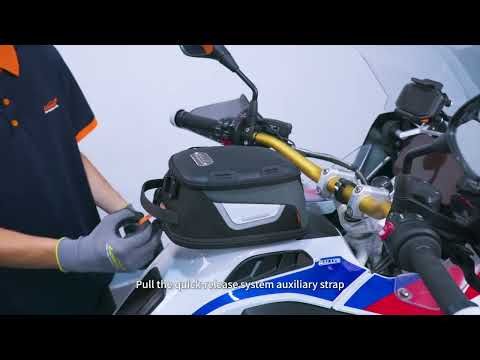
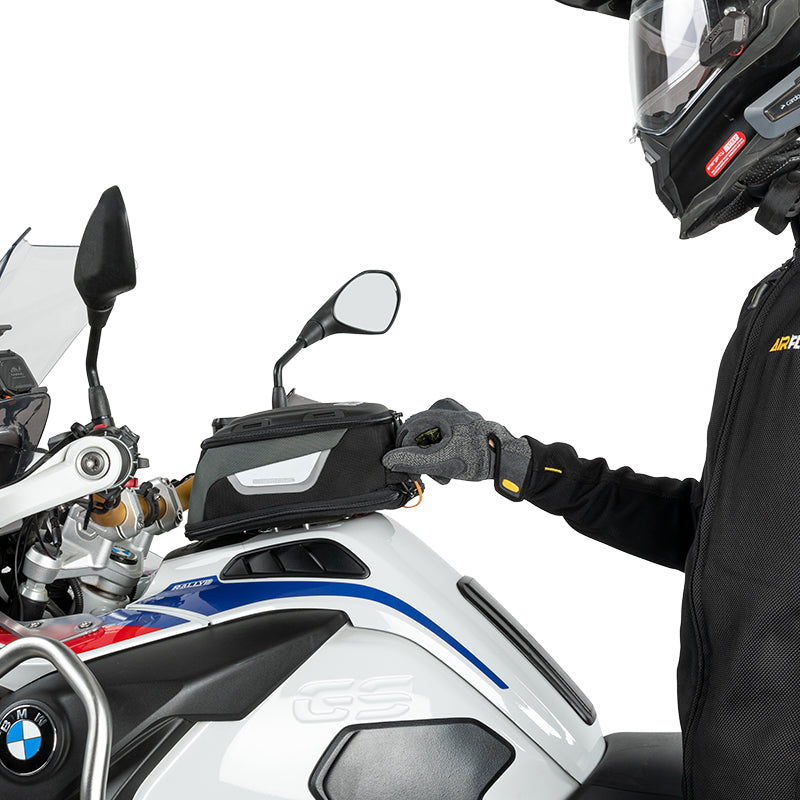
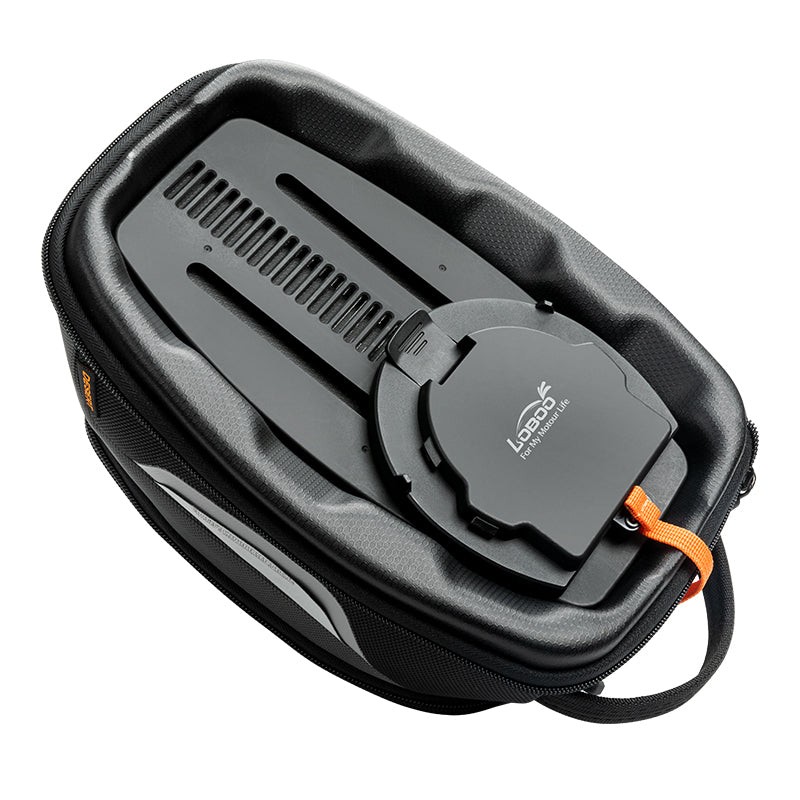
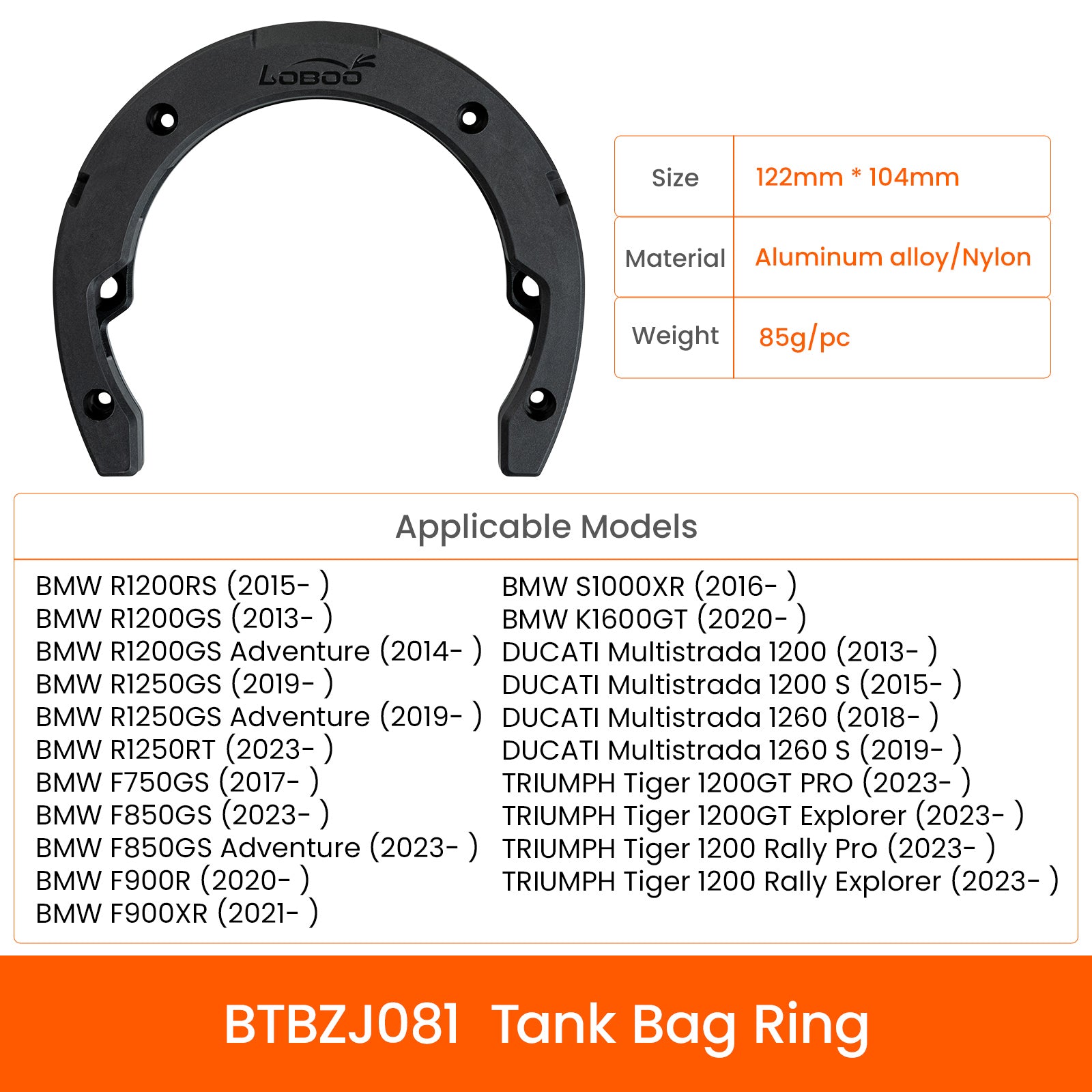
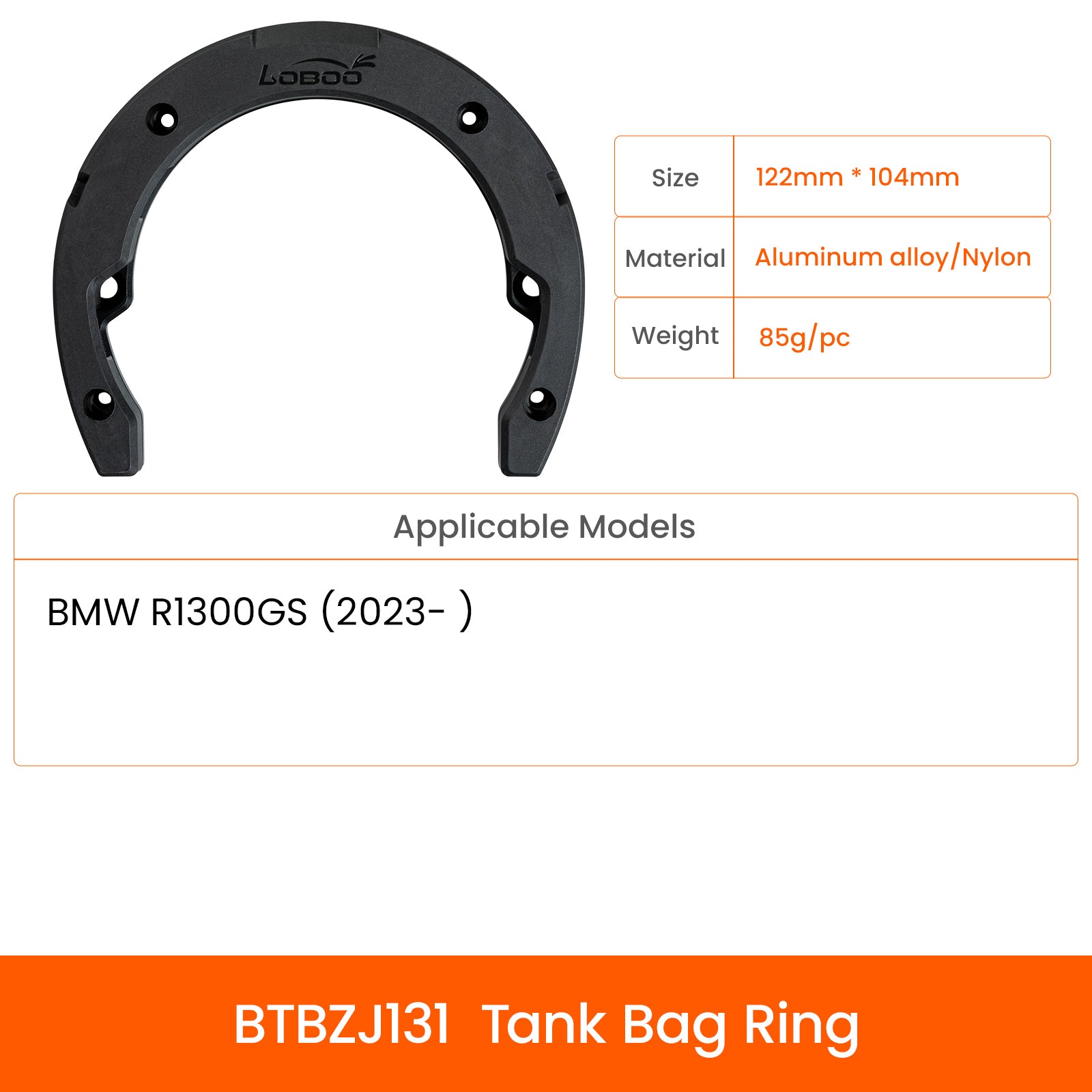
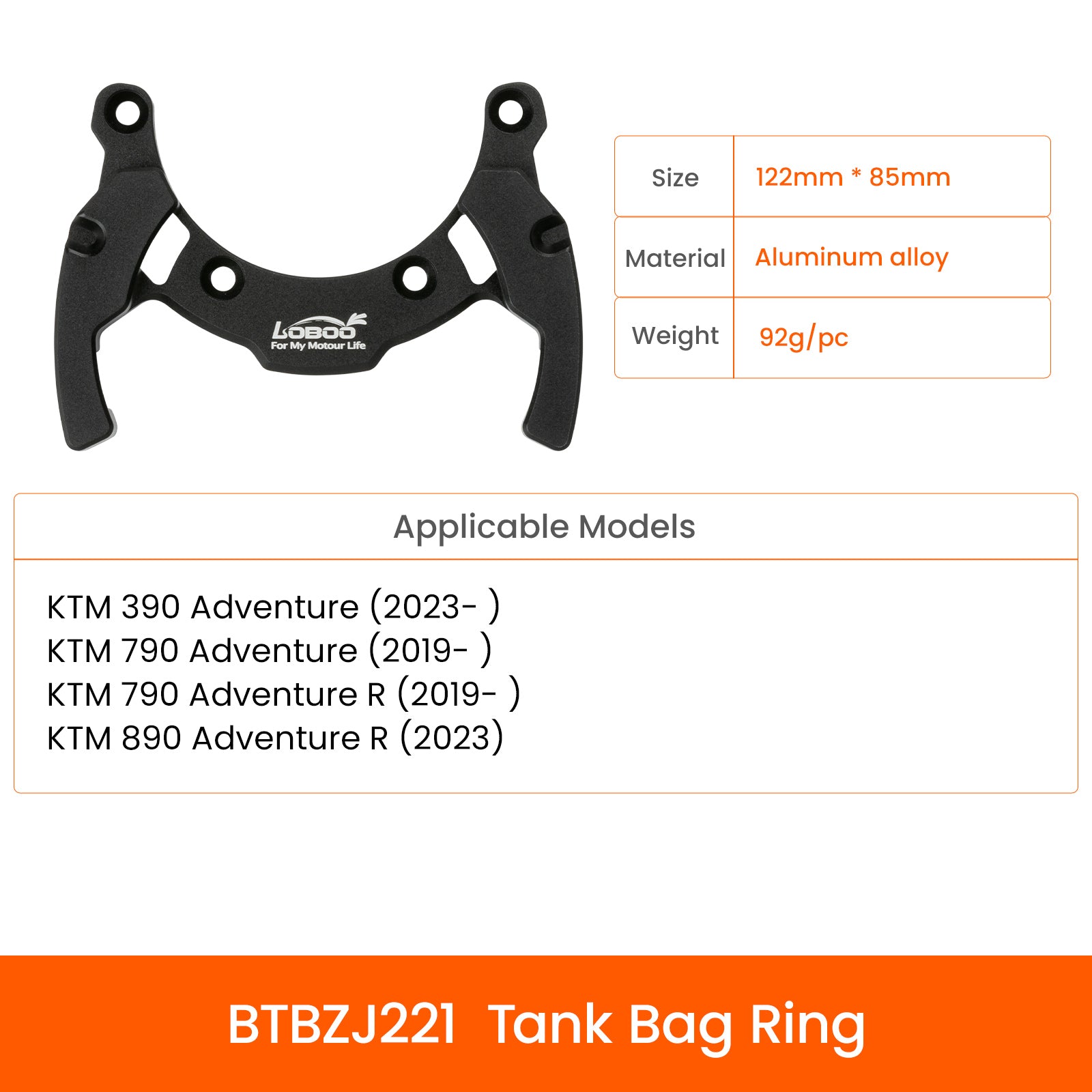
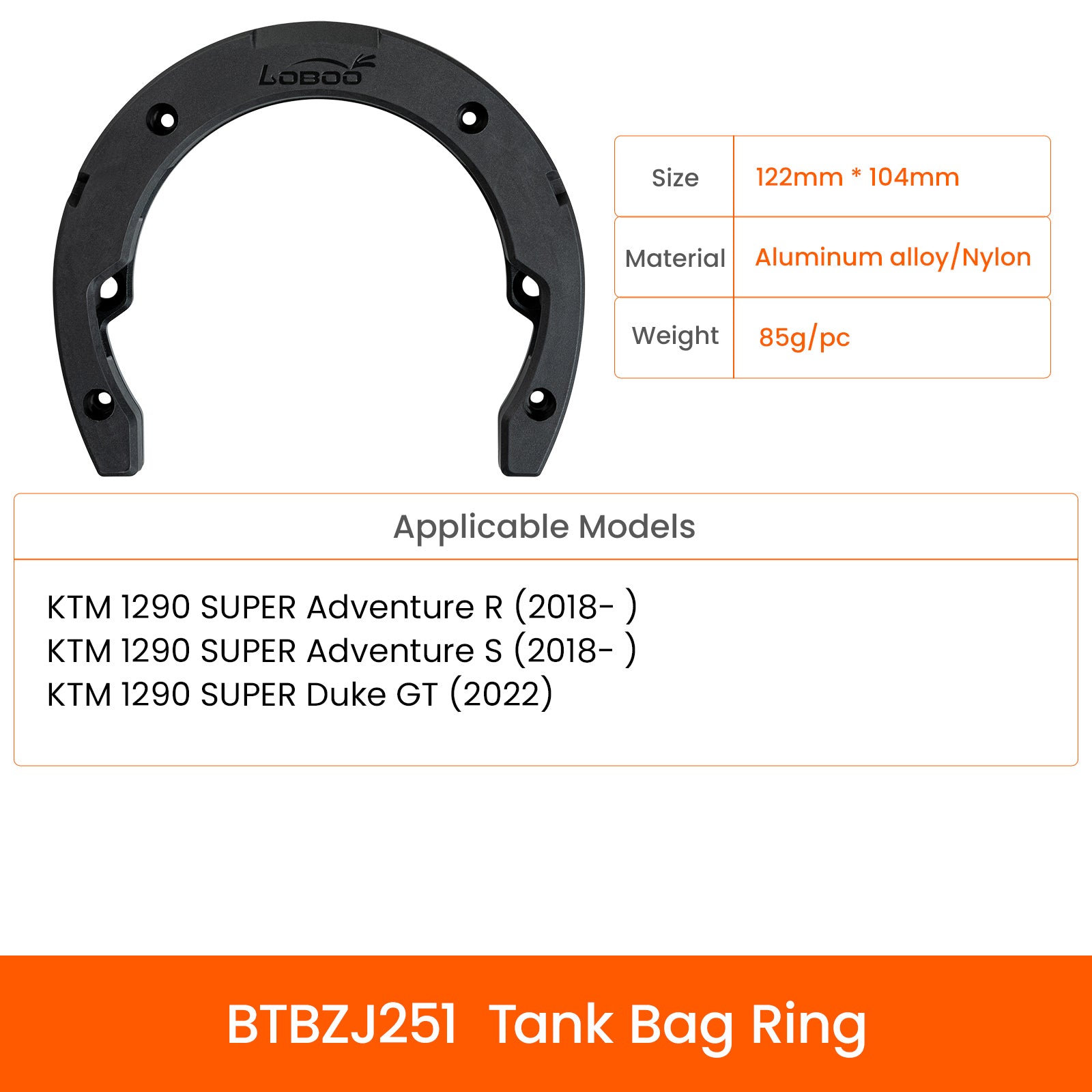
Luggage management should also be planned according to how each area is used. Side cases hold most of the load, the top case is practical but raises the center of gravity, while the tank bag is perfect for documents, power banks, glasses, and items that need to be accessed quickly. Inner bags make a huge difference during stops because they let you empty the motorcycle without having to detach the cases every time.
Useful electronics, not unnecessary electronics
In modern touring, navigation and connectivity matter as much as load capacity. A dedicated display or a well-integrated CarPlay system improves readability, route management, calls, and music without resorting to unstable smartphone mounts. The key factors are compatibility with the motorcycle, mount quality, resistance to rain and vibrations, and visibility in bright sunlight. If you want to learn more, read Displays and CarPlay for Adventure and Touring motorcycles.
Alongside the display, only devices that solve real problems make sense: a well-positioned USB or 12V socket, a reliable charging mount, TPMS for monitoring tire pressure, and, for riders who cover many miles, dashcams and monitoring systems. Filling the handlebars with devices is easy. Keeping them readable, protected, and properly powered is another matter.
Clothing and personal travel kit
A well-prepared motorcycle is of little use if your clothing is not up to the task. For touring and adventure riding, the serious minimum includes a helmet suitable for long distances, a jacket and pants with certified protection, gloves for different temperatures, and boots with good support. In most cases, the best choice is a modular setup: a durable outer layer, waterproof membranes when needed, and technical base layers to manage heat and cold. It is less impressive than a universal “four-season” suit, but it often works better.
Your personal luggage should include a compact rain suit, hydration kit, earplugs, a spare visor or lens, chargers, documents protected from water, and a basic supply of essential medication. These are small details, but on trips lasting several days they reduce stress and unnecessary stops.
Emergency kit and basic maintenance
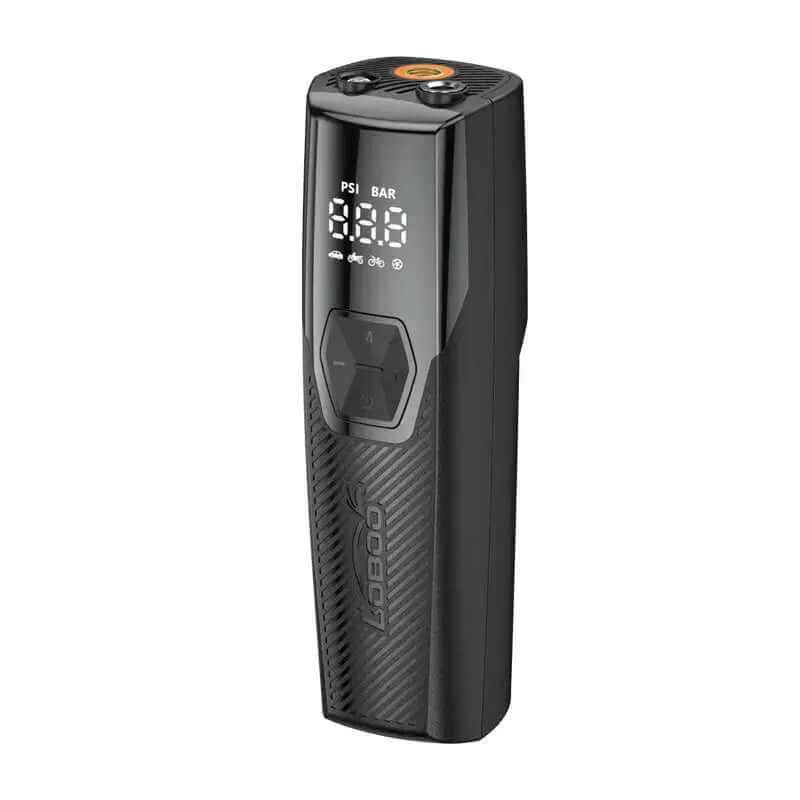
Touring requires self-sufficiency. This means carrying a puncture repair kit suitable for your motorcycle’s wheels, a mini compressor or pump, a multitool, fuses, zip ties, duct tape, and a compact flashlight. If you ride heavy, accessorized motorcycles, also add regular checks of fasteners, tire pressure, and the mounting points for cases and electronic supports. Many problems on the road are not caused by a serious failure, but by careless installation.
At https://endurrad.com, the correct approach is precisely this: choose accessories compatible with the model, designed for real-world use rather than simple aesthetics. Because in motorcycle touring, every component must do its job when stability, durability, and practicality matter.
The perfect checklist is not the longest one. It is the one built around your motorcycle, your pace, and the terrain you will tackle. If an accessory improves safety, comfort, or load capacity without complicating the ride, it deserves a place. The rest can stay in the garage.


Share:
Best Motorcycle Spotlights 2026: Comparison, Prices, and Buying Guide
10 Mistakes to Avoid When Preparing a Motorcycle