

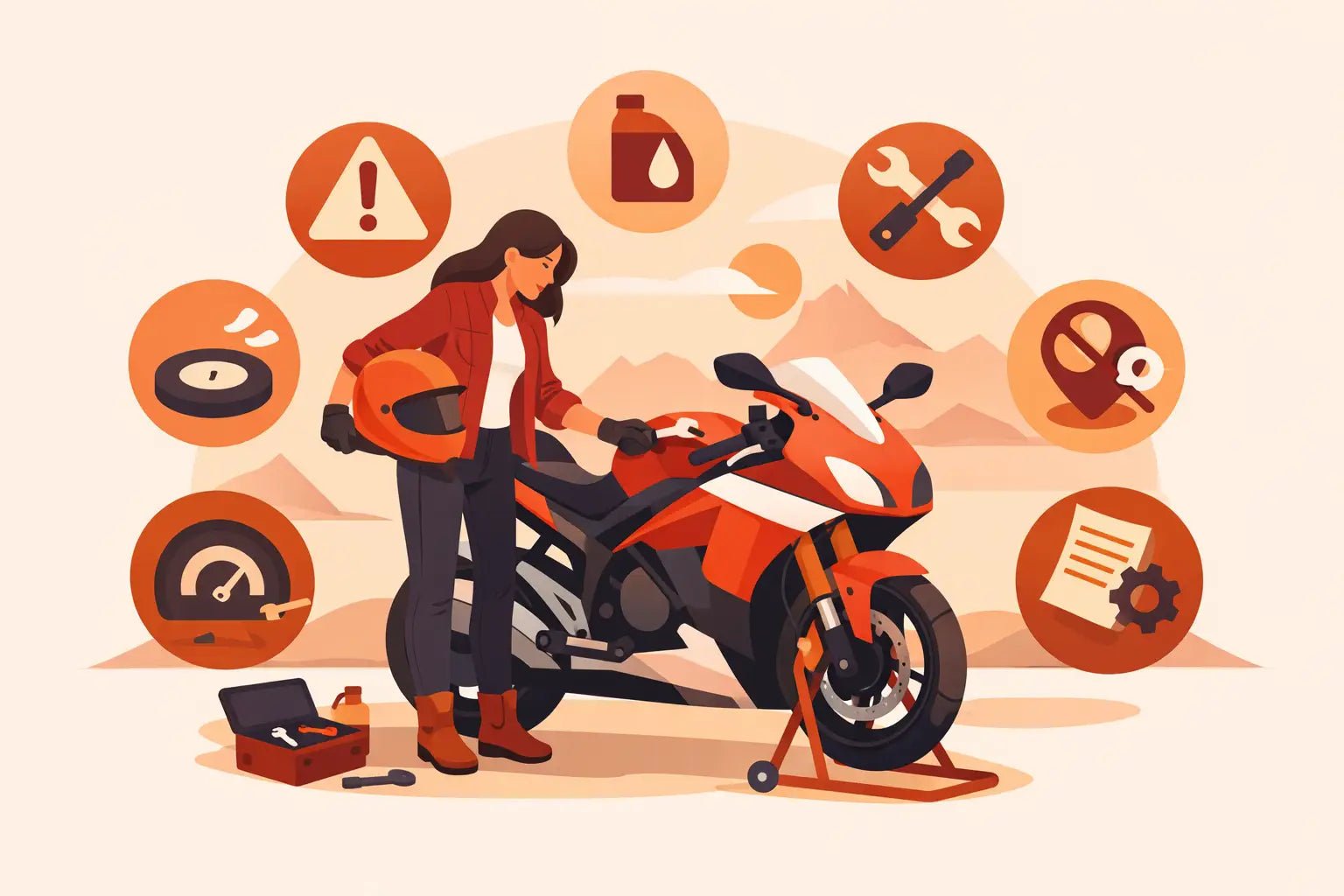
Setting off for thousands of kilometers on a poorly prepared motorcycle does more than ruin comfort - it puts stress on components, rider, and travel times. If you are genuinely looking for the 10 mistakes to avoid when preparing a motorcycle for a long trip, the point is not to buy more: it is to choose better, install correctly, and check what really matters on roads, highways, and dirt tracks.
A modern adventure bike, a tourer, or a well-equipped dual-sport can cover entire days without drama. But the difference between a motorcycle that is ready and one that is simply accessorized lies in the details: weight distribution, real-world compatibility, protection for exposed parts, electronics management, and practical range. These common mistakes are what turn a trip anticipated for months into a sequence of stops, vibrations, annoyances, and last-minute adjustments.
The 10 mistakes to avoid when preparing a motorcycle for a long trip
1. Loading the motorcycle without a weight strategy
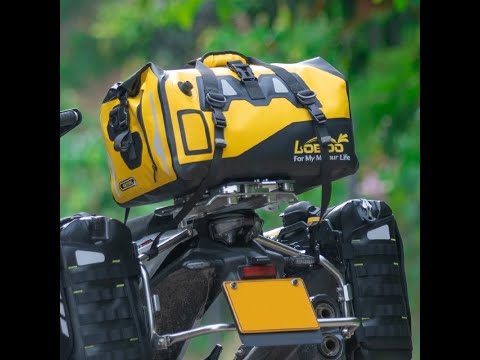
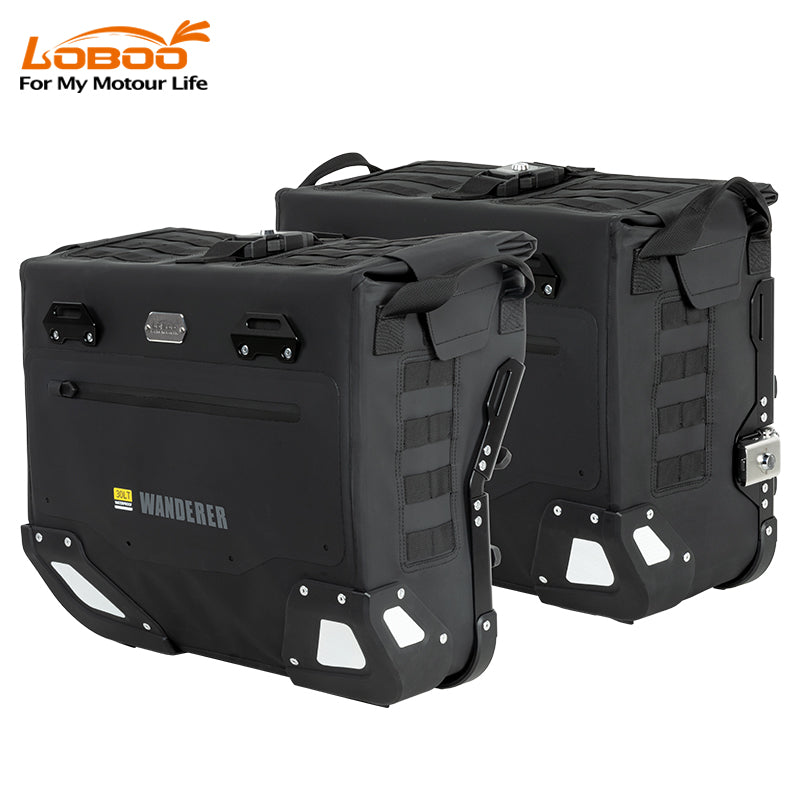
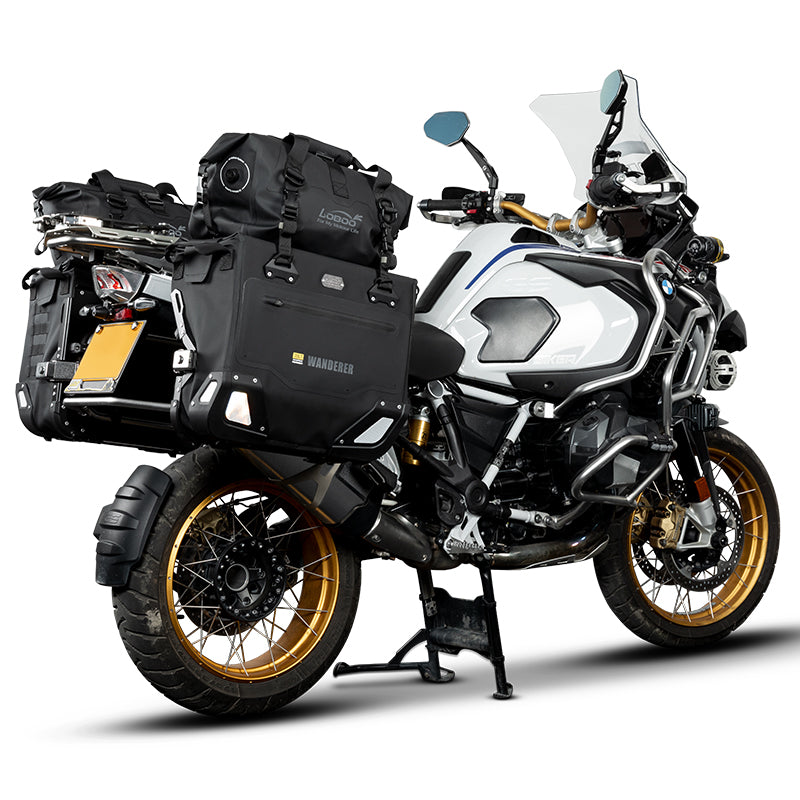
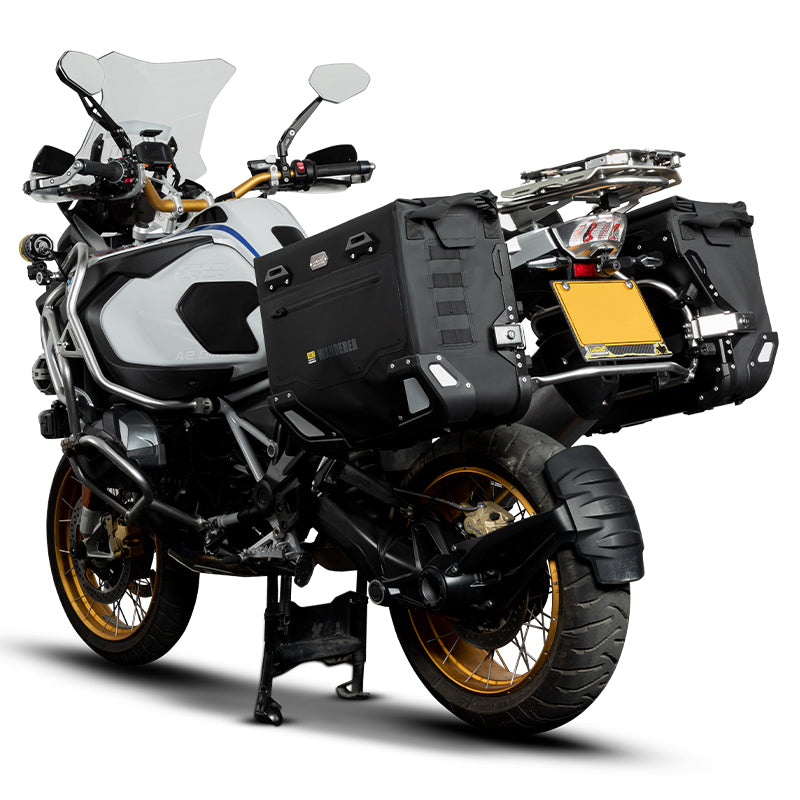
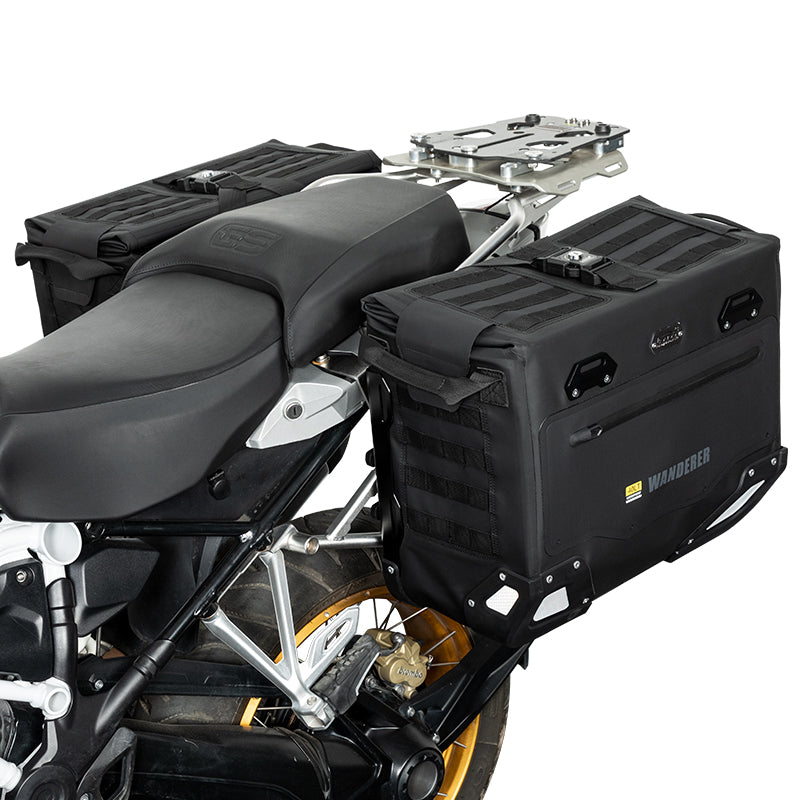
The classic mistake is to think only about the available volume. In reality, the problem is where the weight ends up. Side cases filled randomly, an overly heavy top case, and a high, rearward tail bag all worsen stability, braking, and behavior during changes of direction.
On models such as the BMW GS, KTM Adventure, or Africa Twin, an unbalanced load is immediately noticeable, especially with a passenger, crosswinds, or uneven sections. The heaviest items should be kept low and as close as possible to the motorcycle’s center of gravity. The top case should not become the main storage compartment. If you are still evaluating the right configuration, you may also find How to choose motorcycle cases: aluminum or semi-rigid useful.
2. Choosing accessories that are not model-specific
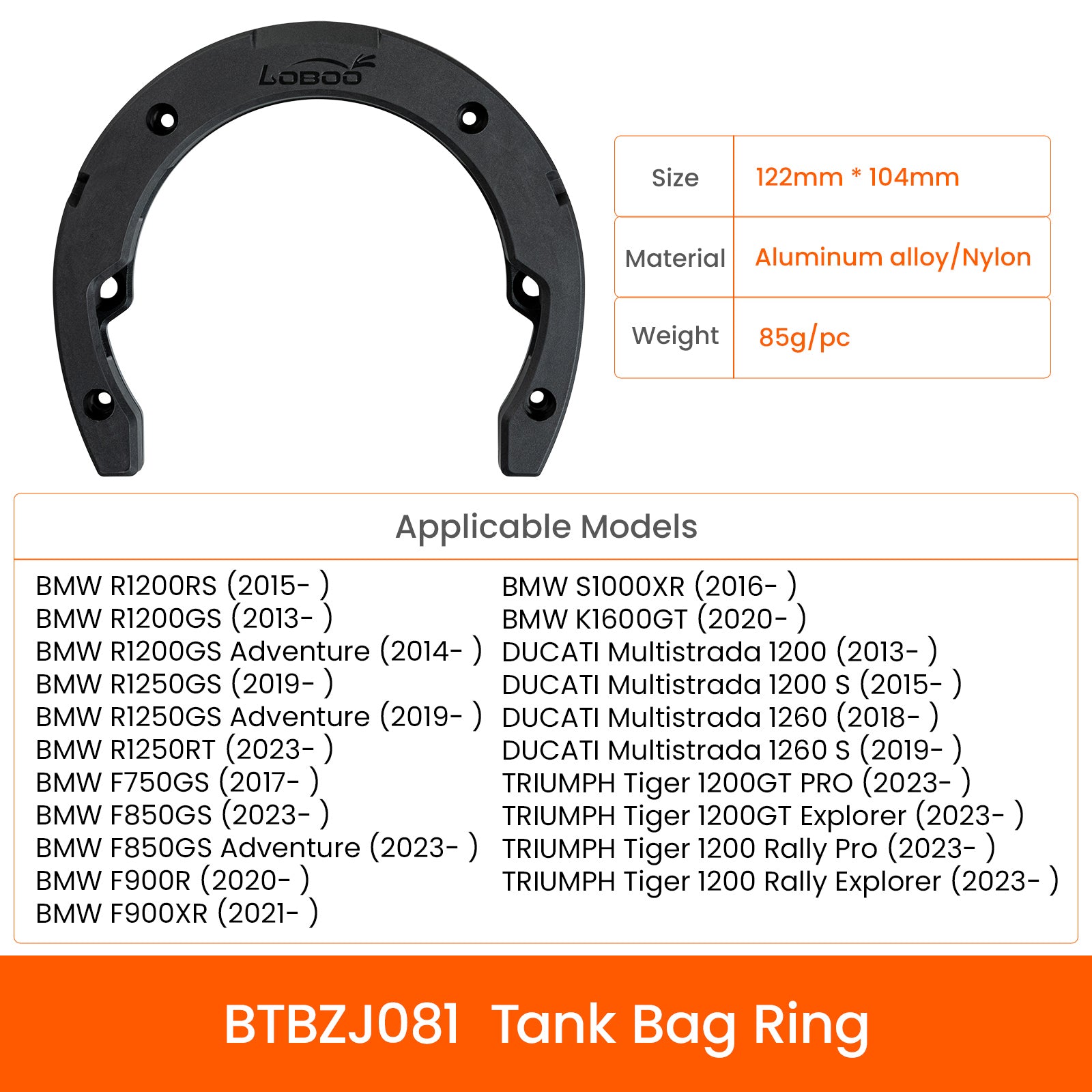
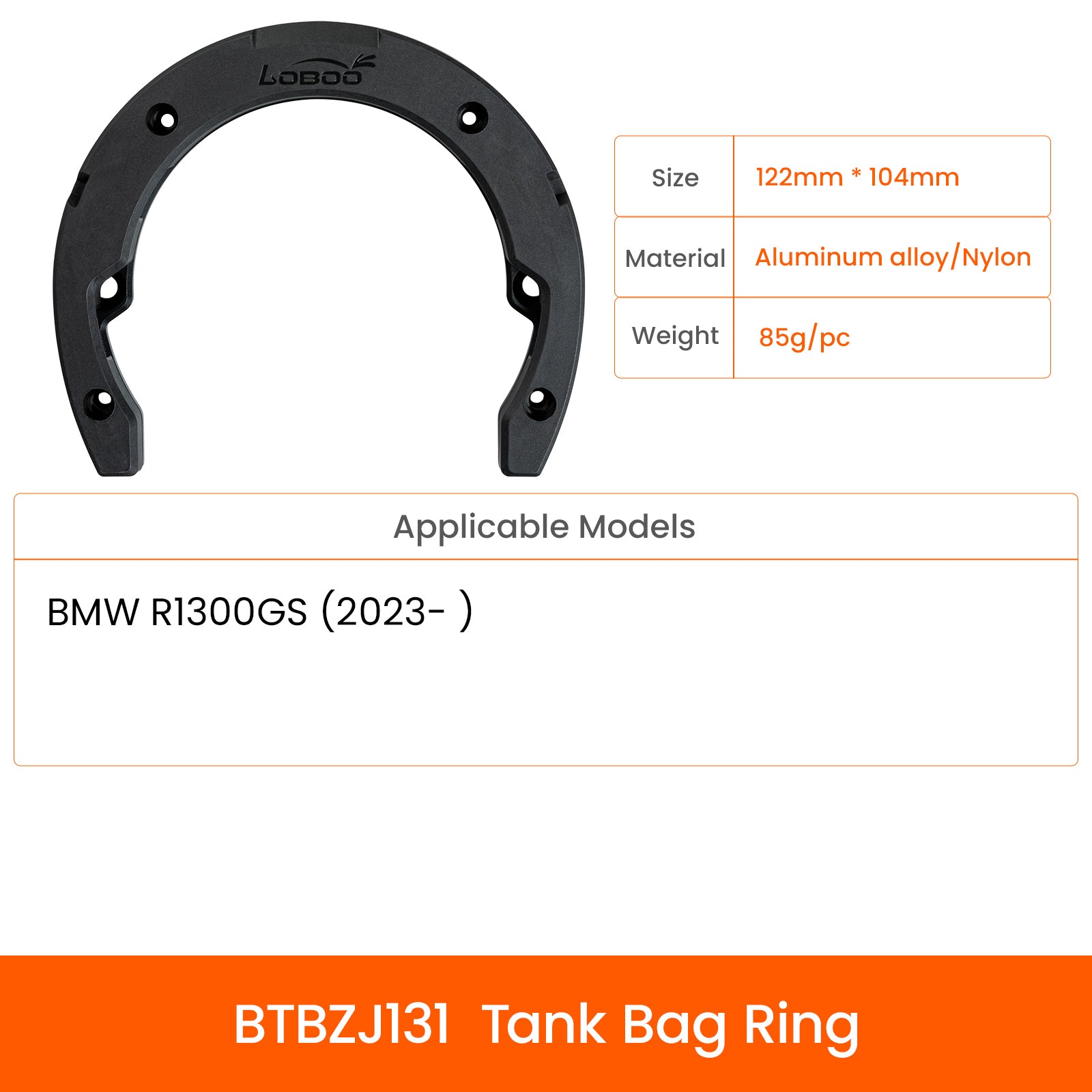
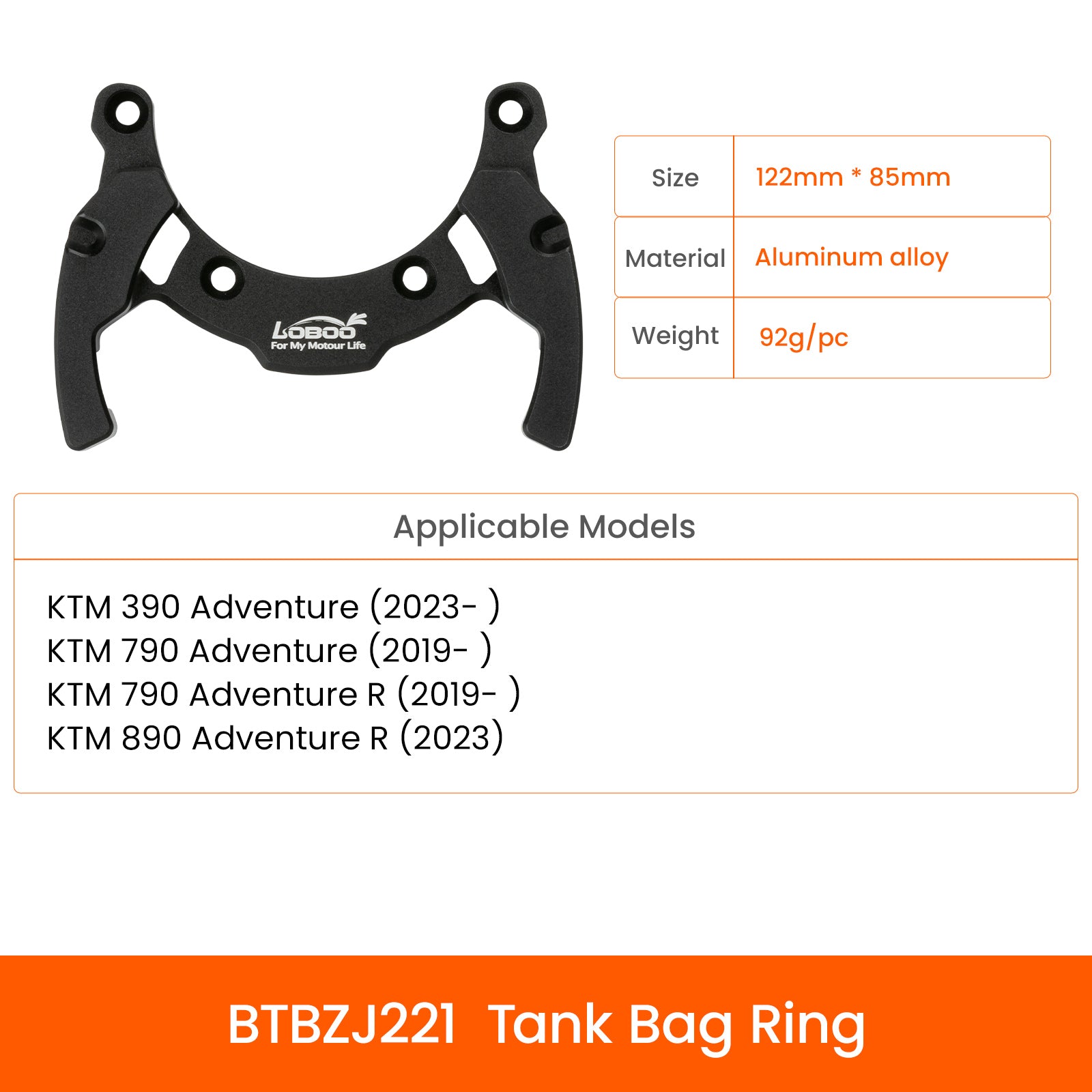
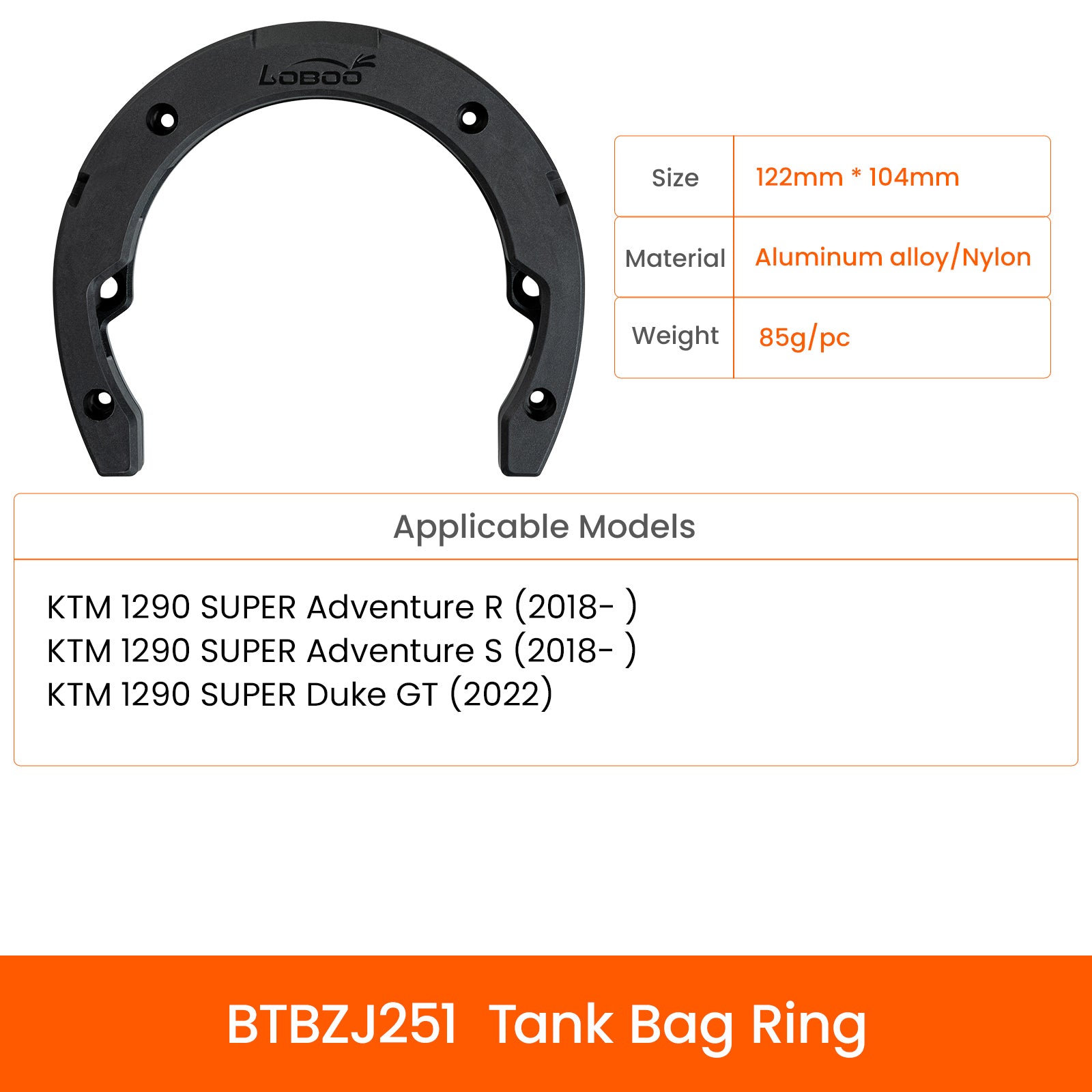
For long-distance touring, “more or less compatible” is a phrase to avoid. A navigation mount that vibrates too much, crash bars with imprecise tolerances, or bags that interfere with the exhaust or footpegs: small misalignments become real problems after hours of riding.
Model-specific compatibility matters more than design. Mounts, dimensions, clearances, and attachment points must be developed for the correct platform, especially on motorcycles with advanced electronics, lightweight rear frames, and highly optimized spaces. Installing premium components is useful only if the fit is correct.
3. Ignoring the condition of the tires, drivetrain, and brakes
Many motorcyclists invest in bags, auxiliary lights, and displays, then set off with half-worn tires or brake pads that are already tired. That is the wrong priority. Mechanical reliability comes before upgrades.
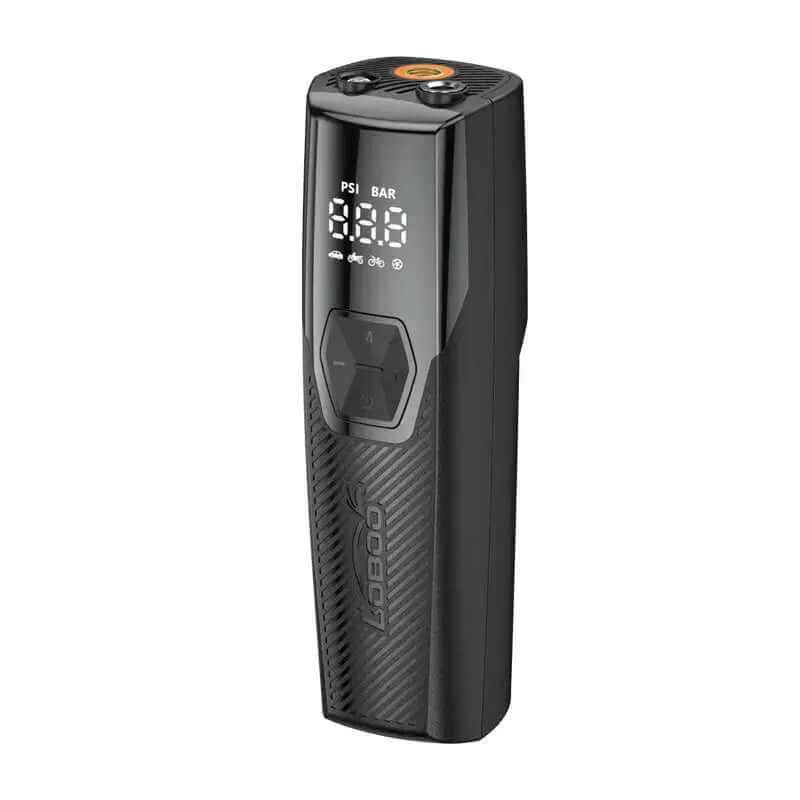
For a long trip, the question is not whether a component can still cover a few hundred kilometers. The question is whether it can cover thousands with a load, heat, rain, and possibly a section of dirt road. Tires, chain kits on motorcycles that use them, discs, brake pads, and fluid levels must be checked with a real margin, not optimism. Tire pressure must also be adjusted to the load and checked frequently, not just on the day of departure.
4. Thinking that protection is only useful off-road
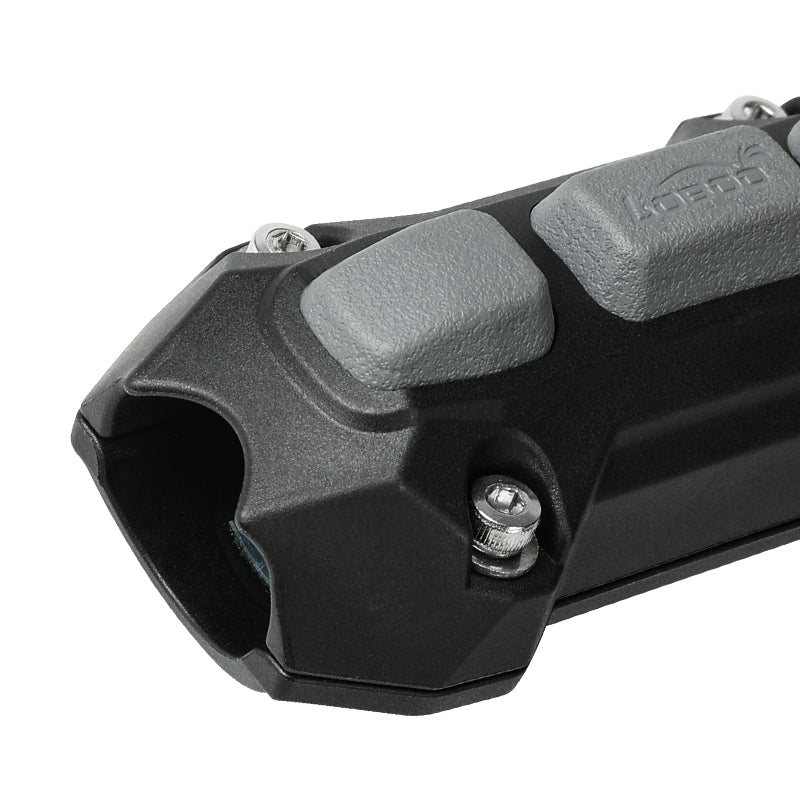
Another common mistake is associating protection and crash bars only with hard off-road use. On a trip, the most common fall is often stationary or at low speed: an uneven parking area, a maneuver with luggage, a wet surface, or a turn on gravel. That is precisely where engine covers, the radiator, fairings, levers, and headlights get damaged.
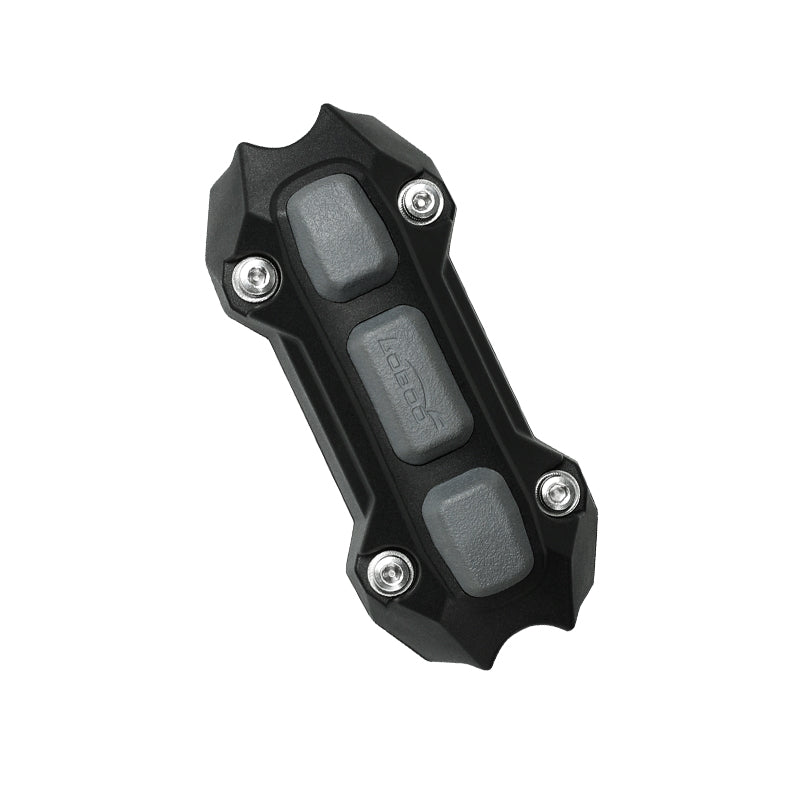
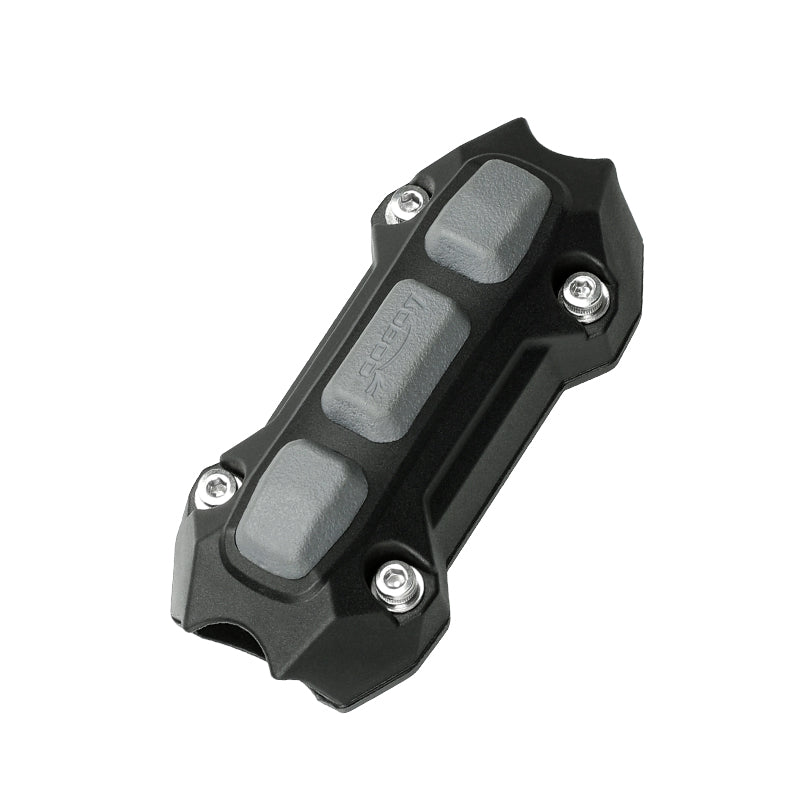
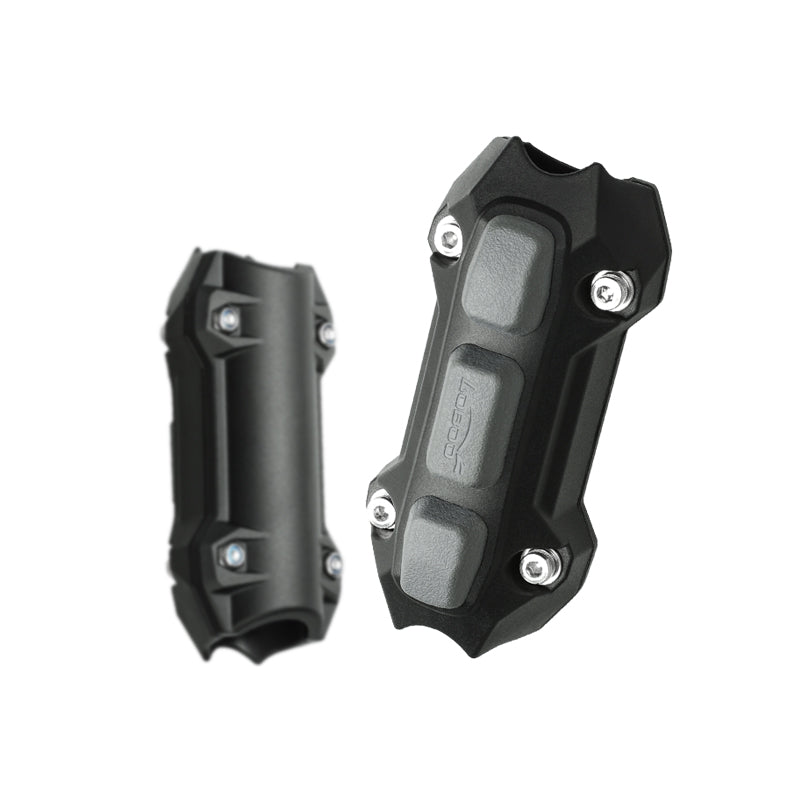
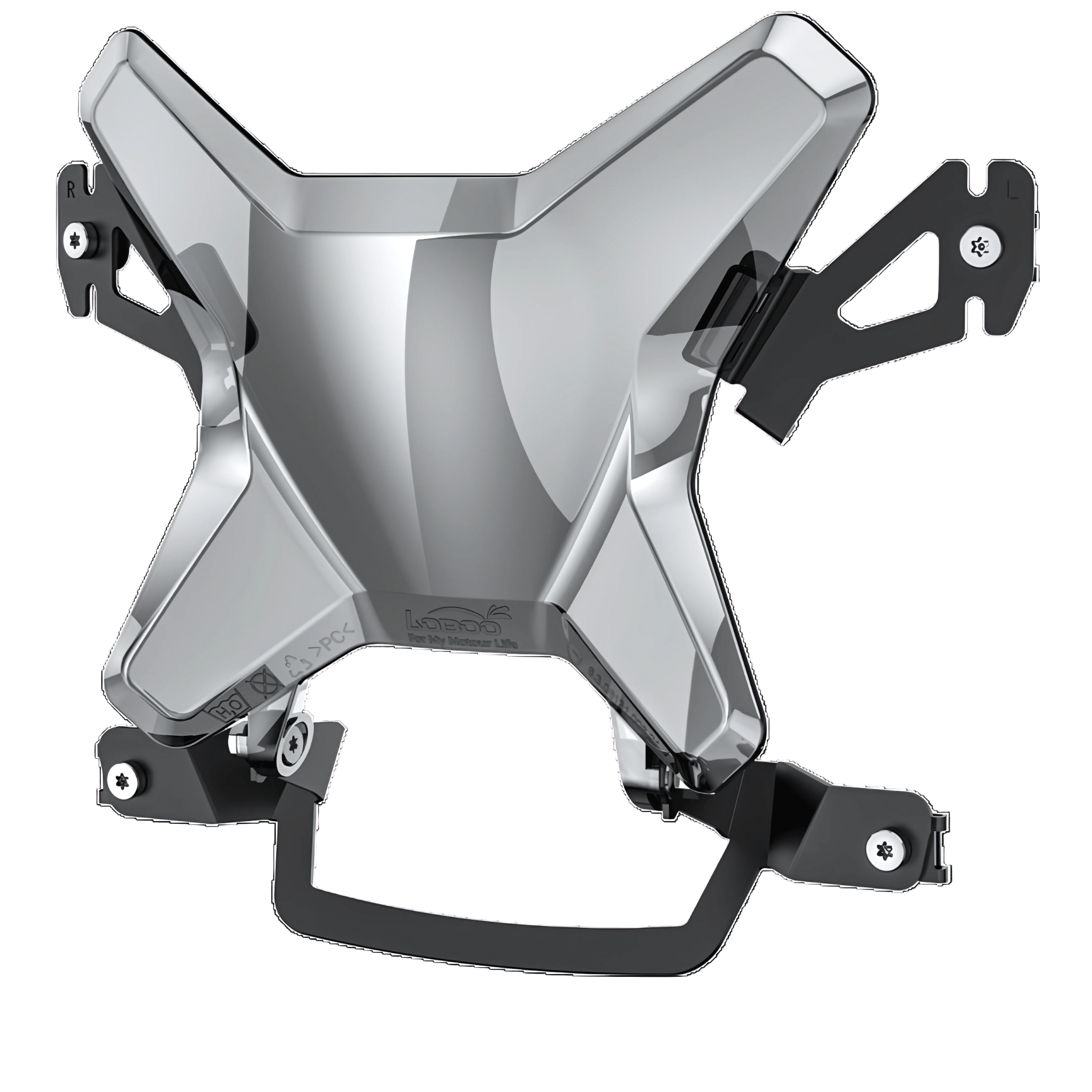
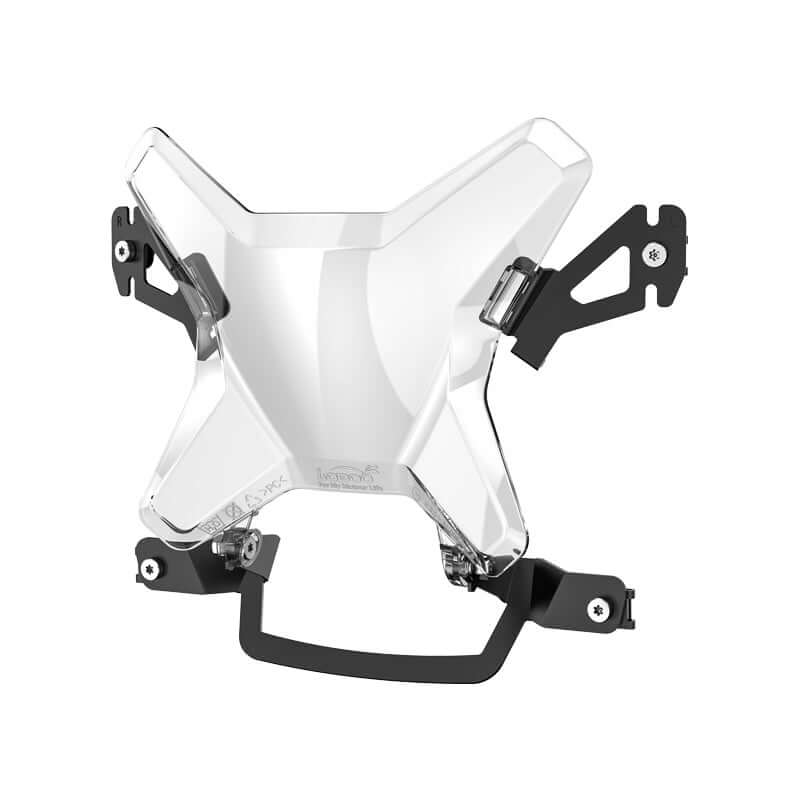
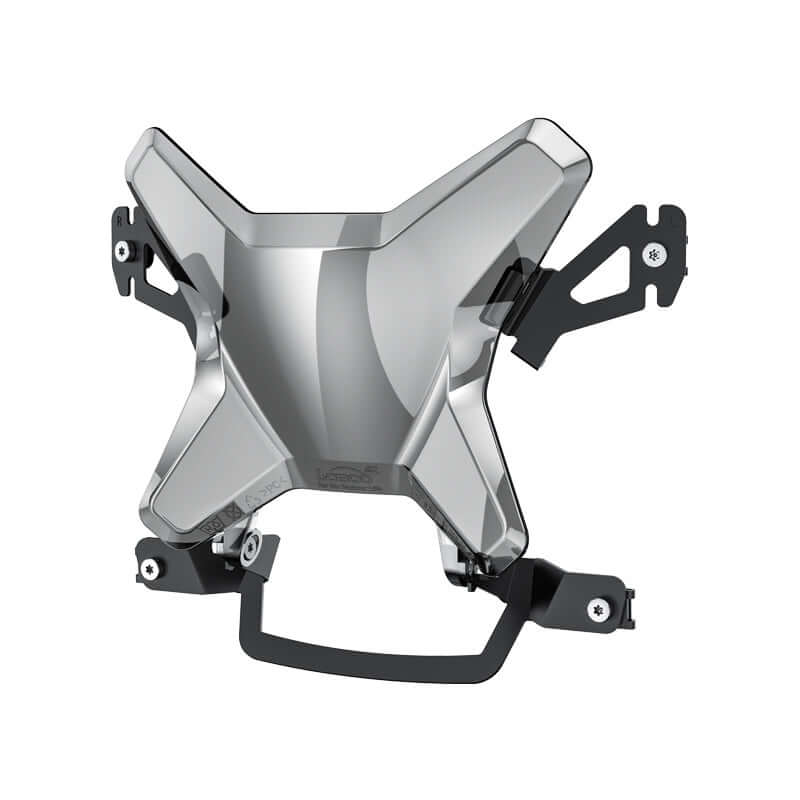
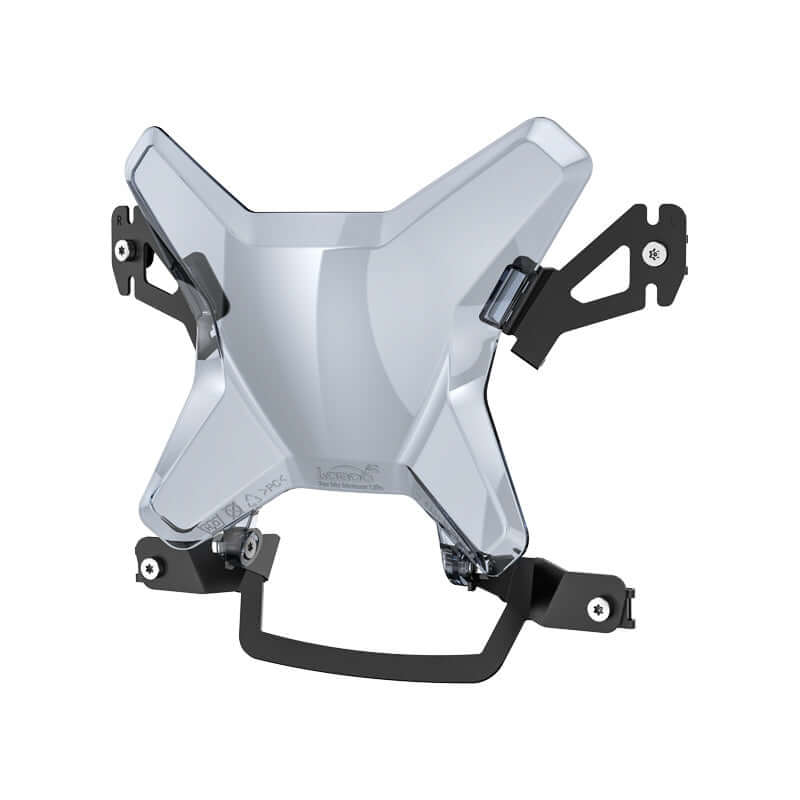
A motorcycle ready for travel must protect expensive and vulnerable parts. Crash bars, radiator guards, headlight guards, and engine covers are not decorative accessories. They are functional components that reduce the risk of turning a minor incident into a trip-ending breakdown.
5. Underestimating lighting and visibility
If you set off early, arrive late, or ride through changing weather, lighting matters more than many people admit. The issue is not only seeing better. It is also being seen more clearly by cars and heavy vehicles, especially in rain, fog, or on secondary roads.
Many riders install auxiliary lights without considering beam pattern, positioning, wiring, and power consumption. A proper setup should improve visual depth without creating unnecessary glare or straining the electrical system. If you are considering an upgrade, you can find useful ideas in Motorcycle auxiliary lights: 2026 test and comparison.
6. Relying on electronics without properly testing them
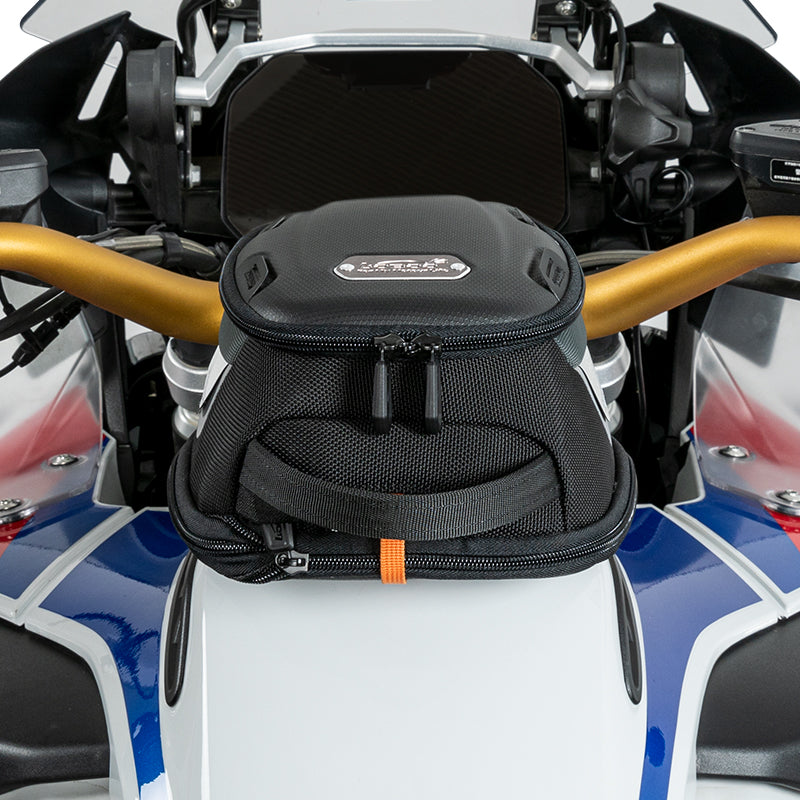
GPS displays, CarPlay, smartphone mounts, USB ports, TPMS, and dashcams: today, travel electronics are a central part of preparation. The mistake is installing everything the day before and assuming it will work well under vibration, sunlight, rain, and winter gloves.
You need to check screen readability, viewing angle, mount stability, consistent power supply, and control accessibility. Cable routing also matters: if a cable interferes with the steering or windscreen, you have a real problem, not an aesthetic one. To better understand which solutions make sense for a modern adventure or touring motorcycle, you can learn more in Displays and CarPlay for Adventure and Touring motorcycles.
7. Preparing the motorcycle and forgetting rider comfort
An uncomfortable seat, an incorrect torso position, or constant helmet turbulence drains far more energy than a few fewer horsepower. After six or seven hours, comfort is not a luxury. It is part of safety.
The mistake here is chasing eye-catching accessories while neglecting the actual contact points: seat, footpegs, handlebars, windscreen, and airflow management. Luggage choice also affects comfort, because a poorly mounted tail bag can restrict movement in the seat. The same applies to the rider’s technical gear, which must be suitable for the climate and distance. If you want to review this aspect, read Touring motorcycle gear for safe trips.
8. Not carrying out a full test before departure
Installing accessories in the garage is one thing. Testing them over 150-200 km of real riding is another. Yet many people skip this step. It is a costly mistake because problems always emerge while moving: vibrations, rubbing, bolts settling, bags making contact, or windscreens creating turbulence at a certain speed.
The test must be carried out with the motorcycle loaded as it will be for the trip. The same weight, the same arrangement, and the same electronics switched on. Only then can you understand whether the setup is truly ready. A motorcycle that behaves well when unloaded can behave completely differently with full cases and a full tank.
9. Neglecting tools, maintenance, and small spare parts
The right kit should not turn you into a traveling workshop, but it must cover realistic problems. People who carry too much often add unnecessary weight. Those who carry too little end up stranded because of a minor issue that could be solved in ten minutes.
The right balance depends on the motorcycle, route, and required level of self-sufficiency. Those traveling in remote areas have different needs from those staying on major routes. In any case, tools compatible with the motorcycle, a tire repair kit, fuses, zip ties, technical tape, and a few smart spare parts are part of serious preparation. Even basic products for cleaning and lubrication can make a difference on multi-day trips.
10. Buying everything at the last minute instead of building a coherent setup
The final mistake contains all the others: treating preparation as a collection of unrelated purchases. A travel motorcycle is not built on impulse. It is built for a purpose.
Every component must answer a specific question: does it protect the motorcycle, increase load capacity, improve navigation, make the trip safer, or reduce fatigue? If the answer is unclear, it is probably not a priority. The goal is not to fill your motorcycle’s catalog. It is to create a reliable, compatible setup ready for the conditions you will actually face.
How to truly avoid these mistakes before setting off
The best method is simple: start with the mechanical basics, then move on to protection, luggage, electronics, and comfort. In that order. When the sequence is followed, purchasing decisions also become easier, because you stop chasing generic accessories and start selecting components based on your model, type of trip, and journey length.
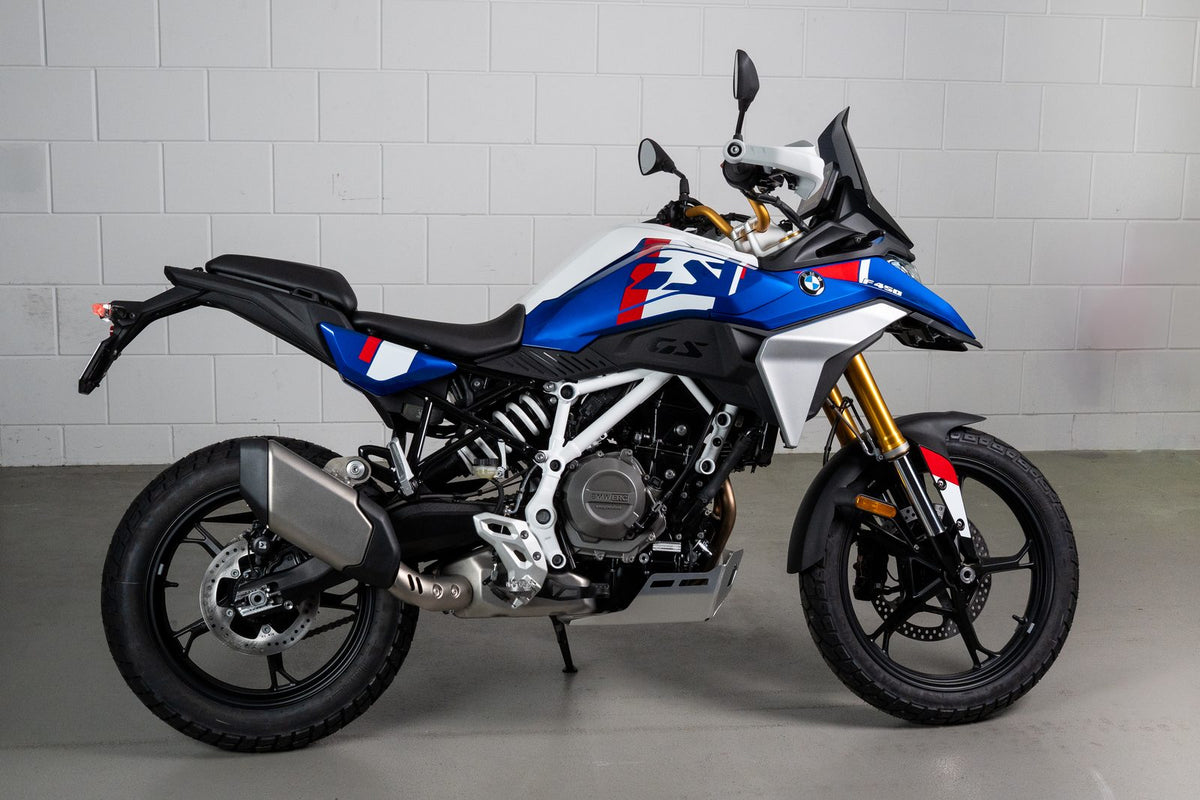
On a large adventure motorcycle used for long-distance touring, for example, a good set of well-distributed cases, effective engine protection, a readable display, and a well-chosen windscreen often have more impact than an endless list of secondary components. On a lightweight dual-sport, the compromise changes: less weight, greater simplicity, solid mounts, and a compact load. There is no single formula. There is only coherent preparation.
This is also where a specialist retailer makes a difference. A selection organized by technical category and motorcycle compatibility, such as Endurrad’s, reduces the risk of typical mistakes: approximate installations, redundant accessories, or components that are wrong for the platform or real-world use. When the motorcycle is configured thoughtfully, the trip takes on a different character: fewer adjustments, fewer compromises, and more well-ridden kilometers.
The final rule is this: do not prepare the motorcycle for how you imagine it in photos. Prepare it for the weight it will carry, the weather you will encounter, and the road that is actually waiting for you.


Share:
Motorcycle touring gear for safe travels
Crash bars for KTM Adventure: how to choose well