


When you search for ogura moto, the point is not simply to find a name. The point is to understand whether you are looking at a component, an accessory, or a solution that makes sense for your motorcycle, your load, and the type of route you ride. For those who really travel, across asphalt, long transfers, and dirt roads, the difference is not made by the product sheet. It is made by assured compatibility, clean installation, and real-world performance after hours of vibration, rain, and dust.
In the adventure world, this matters even more. A BMW R 1250 GS used by two people with aluminum panniers has different needs from a Ténéré 700 lightened for two-day trips. A KTM 890 Adventure loaded for a crossing requires different priorities than an Africa Twin prepared for long transfers with navigation and additional lighting. If the term ogura moto brought you here, the right question is not only what it is. It is also where it fits into the motorcycle's setup and whether it solves a specific problem.
Ogura Moto: where to really start
When evaluating a product related to ogura moto, always start with how it will be used. You need to ask yourself what scenario it will work in. If you mainly ride fast asphalt roads and Alpine passes, stability, ergonomics, and long-distance reliability matter. If you alternate between rocky terrain, mud, and transfers, weight, impact resistance, and ease of maintenance become central.
This approach avoids the most common mistake: buying by category instead of by function. An accessory may look right on paper but prove unsuitable as soon as vibrations, suspension travel, rear load, or the need for quick access increase. On a Ducati DesertX or a KTM 1290 Super Adventure, for example, a few millimeters in the wrong place can change comfort, freedom of movement, or practicality during a quick stop.
What to check before choosing an ogura moto product
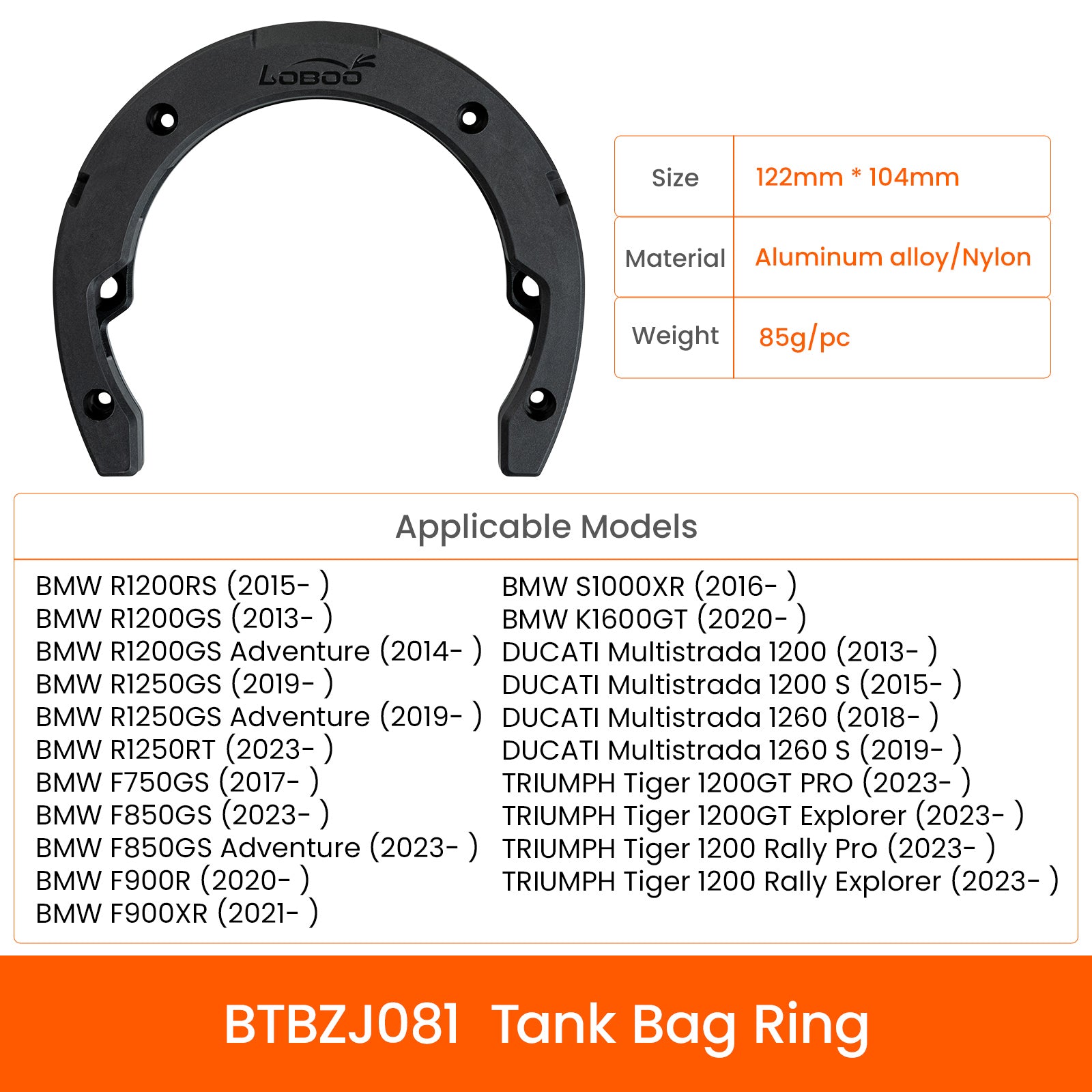
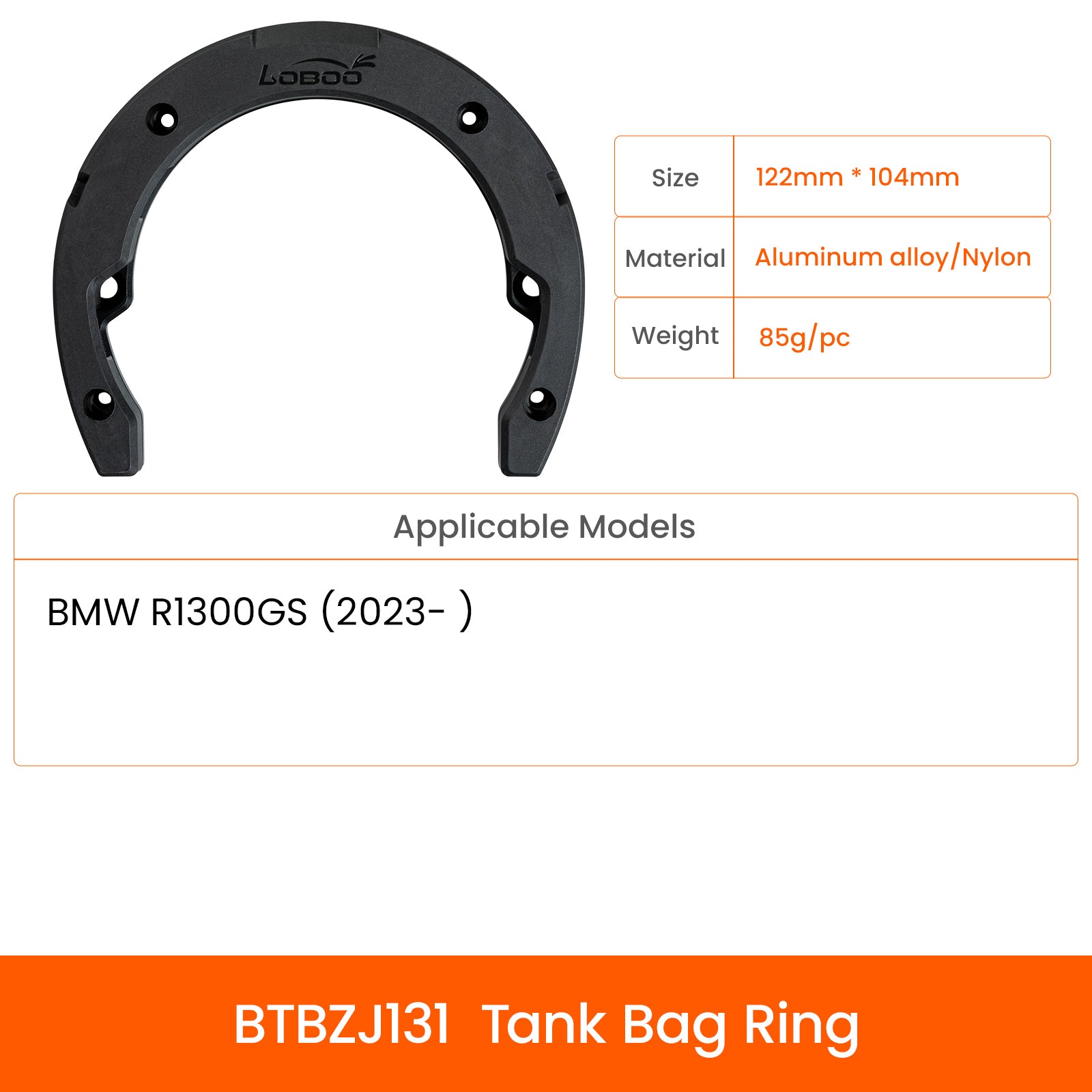
The first check is compatibility by model and year. It is not enough for a component to be intended for a family of adventure motorcycles. An R 1300 GS does not have the same dimensions, mounting points, or useful clearances as an R 1250 GS. The same applies between the Tiger 900 and Tiger 1200, or between a standard Ténéré 700 and versions already equipped with aftermarket accessories.
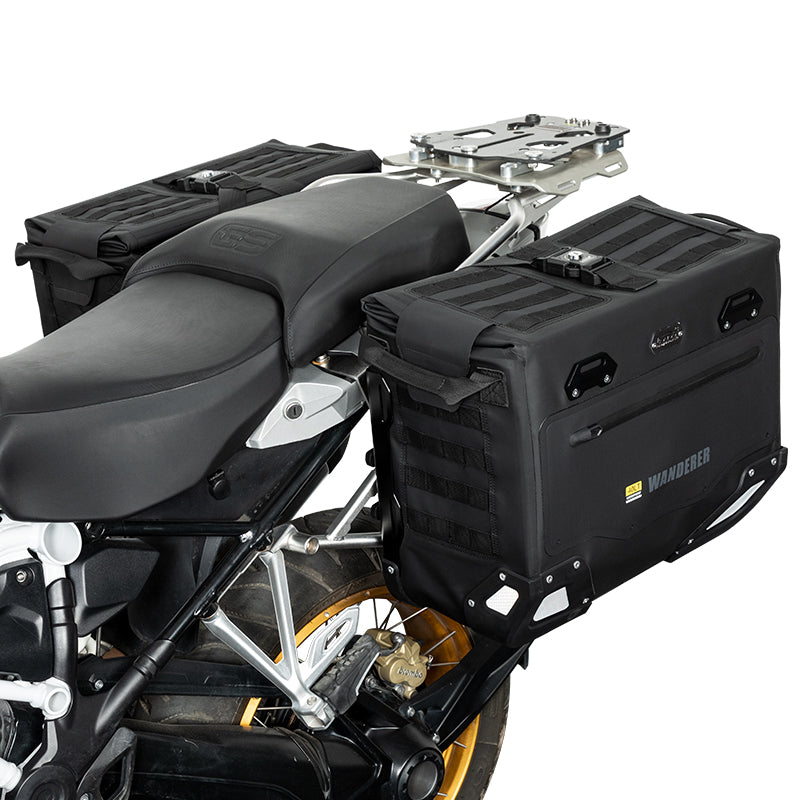
Next comes the type of use. If you travel with side luggage, you need to consider the actual space available. A navigation mount, additional wiring, or an accessory mounted near the cockpit may be perfect on its own and become inconvenient with a tall tank bag, handlebar bag, or intercom that you need to operate while wearing gloves. If, on the other hand, you ride medium-to-heavy off-road terrain, the criteria change: you want a mounting system that will not loosen after a day of hard impacts and will not add unnecessary weight high up.
Then there is maintenance. A good component is not just one that works as soon as it is installed. It is one that leaves access to inspection points, does not complicate routine work, and does not force you to remove half the motorcycle for a simple check. This matters more than it may seem when you are far from home, perhaps after 600 km and with the weather turning.
Materials and fasteners matter more than the finish
When choosing, aesthetics come second. First look at the material, thickness where specified, fastener quality, and design logic. A well-designed accessory distributes the load, reduces stress points, and does not work against the motorcycle's chassis. This is crucial on motorcycles such as the Africa Twin, GS, or Super Adventure, where accessory weight rises quickly and every addition affects handling, especially at full load.
Another useful sign is how cleanly it integrates. If a product requires improvised adaptations, randomly added washers, or forced cable routing, the problem often appears later, not during the initial installation. Vibrations, rattles, abrasion, and water ingress develop over time. And on a long trip, those are exactly the problems you want to avoid.
Ogura Moto and motorcycle preparation: when it makes sense
The value of an ogura moto solution is best measured when you are building a coherent motorcycle, not merely accessorizing it. Coherent means that every component has a specific role and does not interfere with the others. If you install protection, luggage, navigation, and lighting without an overall plan, you risk ending up with a heavier, less intuitive, and more uncomfortable motorcycle precisely where you wanted to improve it.
Take a typical case. You have a Yamaha Ténéré 700 and want to use it for off-road weekends with one night away. The focus should be on lightness, protection during stationary or low-speed falls, quick access to tools, and compact luggage. In this situation, anything that adds volume high up or makes the motorcycle too wide can be counterproductive.
On a BMW R 1250 GS intended for one- or two-week trips, on the other hand, you accept more weight if you gain organization, accessibility, and long-distance reliability. Here, sturdy navigation brackets, well-integrated charging points, protection that does not obstruct maintenance, and luggage systems that remain stable at highway speeds or in bad weather all make sense.
The point is not to have more, but to have the right things
Anyone who prepares a motorcycle properly knows that every accessory must be justified. If it does not improve safety, practicality, reliability, or performance, it is just added mass. This rule applies to everyone, from experienced motorcycle travelers to those setting up their first mid-displacement adventure bike.
That is why, if you are evaluating ogura moto, it is worth thinking in terms of priorities. First solve what truly affects the trip: motorcycle protection where needed, correct riding position, luggage management, readable navigation, and reliable electrical power. Only afterward does it make sense to complete the rest.
How to read a technical specification sheet correctly
A useful technical specification sheet does not only tell you what a product is made of. It helps you predict how it will behave on your motorcycle. If you find clear information about compatibility, mounting points, possible interference, and intended use, you are already on solid ground. If the text remains generic, pause for a moment.
In the adventure sector, the details that really matter are few but decisive. You need to understand whether the component remains stable on dirt roads, whether it compromises access to other motorcycle components, whether it requires additional accessories for installation, and whether its presence changes everyday use. Even a smartphone mount, if positioned poorly, can reduce dashboard visibility or affect your perceived steering angle during slow maneuvers.
For those just starting out, the most useful advice is simple: do not be guided only by the product category. Let the problem you want to solve guide you. Do you need to protect the engine during a slow-speed fall? Do you want to carry luggage securely for 10 days? Do you need to see the track without taking your eyes off the road too much? The answer changes the choice far more than the name printed on the package.
When to ask for technical guidance
There are cases where choosing on your own is enough and others where it is better to stop and take a closer look. If your motorcycle is already accessorized, if you use subframes, bars, windscreens, or modified cockpits, actual compatibility may be less obvious than it seems. The same happens when you alternate between two-up road use and light off-road trips: the ideal setup for one context does not always work in the other.
In these cases, you need genuine technical guidance, not a generic answer. A specialist retailer such as Endurrad is useful precisely here: not to add confusion, but to help you rule out anything that is inconsistent with your motorcycle and the way you travel. Often, the best choice is not the most noticeable component, but the one you stop noticing once it is installed because it does its job well.
Ogura Moto: the right criterion is real-world use
If there is one rule that helps you avoid bad purchases, it is this: evaluate ogura moto as you would any serious travel component, that is, based on the conditions you imagine using it in even before looking at it on the workbench. Long rain, wet gloves, quick maintenance, continuous vibrations, full load, a foolish stationary drop. That is where you understand whether a choice made sense.
A good accessory does not impress you in the garage. It makes life easier when you are tired, far from home, and need everything to work without demanding extra attention. If you think this way, you will choose less impulsively and much better for every mile.
In the end, preparing a motorcycle well does not mean filling it with parts. It means removing doubts before you set off.



Share:
Moto Guzzi 1000 SP: What You Really Need to Know
Honda Africa Twin Adventure Sport 2026: What to Expect