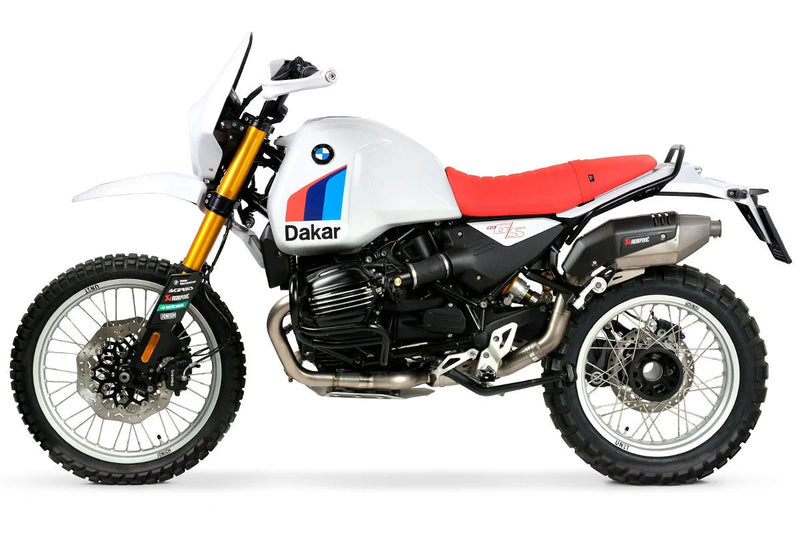
Setting off for Nordkapp on a GS and finding yourself with wet gloves, inadequate headlights, and poorly distributed luggage is the quickest way to turn a great journey into a long series of compromises. GS equipment for Northern Europe isn't chosen for aesthetics or to load up the bike with accessories: it's chosen to manage cold, rain, crosswinds, fast roads, construction sites, light off-road trails, and many consecutive hours in the saddle.
On a BMW GS, the difference is made by components designed for real-world use. You don't need to install everything. You need to install wisely, with a precise logic: protecting the bike from static falls, increasing range and visibility, improving long-distance comfort, and organizing luggage without hindering riding.
How to choose GS equipment for Northern Europe
The first mistake is to prepare the bike as if the main problem were extreme temperatures. In reality, in Northern Europe, the most frequent issue is variability. You might start at 16 degrees, find 7 degrees and rain two hours later, and face strong gusts of wind on open roads in the afternoon. This is why the setup must focus on consistent performance, not just cold protection.
A well-prepared GS for this context must remain balanced even when fully loaded, allow quick access to waterproof gear, offer correct ergonomics for long rides, and maintain electrical reliability for devices like navigation, heated grips, spotlights, and accessory charging. It's a technical preparation, not a decorative one.
Protection: the first thing to seriously consider
On a long journey, the most likely fall isn't a spectacular one. It's the classic low-speed slide on gravel, a foot giving way on a dirt parking lot, or a maneuver from a standstill with a loaded bike. This is why engine protection bars and targeted guards make immediate sense, especially on a GS used with luggage and a full tank.
Engine bars must be specific to the bike's model and year, with well-distributed mounting points. A poorly designed structure can transfer impacts incorrectly or complicate maintenance. The same applies to the engine cover, radiator, and areas exposed in case of a side impact.
If the journey also includes unpaved sections or damaged secondary roads, a serious skid plate is more than just an accessory. On a heavy maxi enduro, it protects the underside from stones, impacts, and accidental contact on uneven surfaces. You don't need to imagine hard off-roading: a construction site, a detour, or access to a campsite on rough terrain is enough.
Luggage: capacity yes, but with criteria
For Northern Europe, the issue isn't just how much luggage you carry. It's how you carry it. Aluminum panniers have a clear advantage in long-distance touring: solid structure, practical opening, good bulk management, and excellent integration with bikes like the GS. They are particularly effective if you travel with technical gear, rainwear, essential spare parts, and thermal layers to be used frequently.
Semi-rigid solutions make sense if you want to limit weight and width, but they must be chosen carefully based on the type of route. If you plan many asphalt stages, long transfers, and frequent luggage access, the rigid system often remains the most straightforward choice. If, however, you aim for greater flexibility of use and a lighter approach, semi-rigid can work very well.
The top case always divides motorcyclists. On long trips, it's convenient, especially for helmets, rain gear, and quick-access items, but if loaded incorrectly, it raises the center of gravity and is noticeable. On a GS destined for Northern Europe, it's advisable to use it with discipline, avoiding concentrating the heaviest items there.
Load distribution: the detail that changes the ride
Heavy items should be placed low and as close as possible to the center of the bike. Tools, spare parts, and liquids should not be put in the top case. The tank bag, on the other hand, is useful for documents, tolls, electronics, and small accessories that can be accessed without disassembling everything. On a trip where rain and frequent stops cause delays, this practicality is very important.
Riding comfort: less fatigue, more alertness
Many people think of comfort as a luxury. In Northern Europe, it's a safety component. Cold, rain, and wind increase physical and mental strain. If the riding position is incorrect, after 500 kilometers, fatigue translates into less precise riding.
On the GS, windshields and deflectors can make a clear difference. However, there isn't one configuration that works for everyone. Rider height, helmet, posture, and average speed greatly change the result. A more protective windshield is useful on long transfers, but if it creates turbulence at the wrong point, it becomes annoying. Here, it's important to choose well-designed components that are compatible with the bike, not just larger ones.
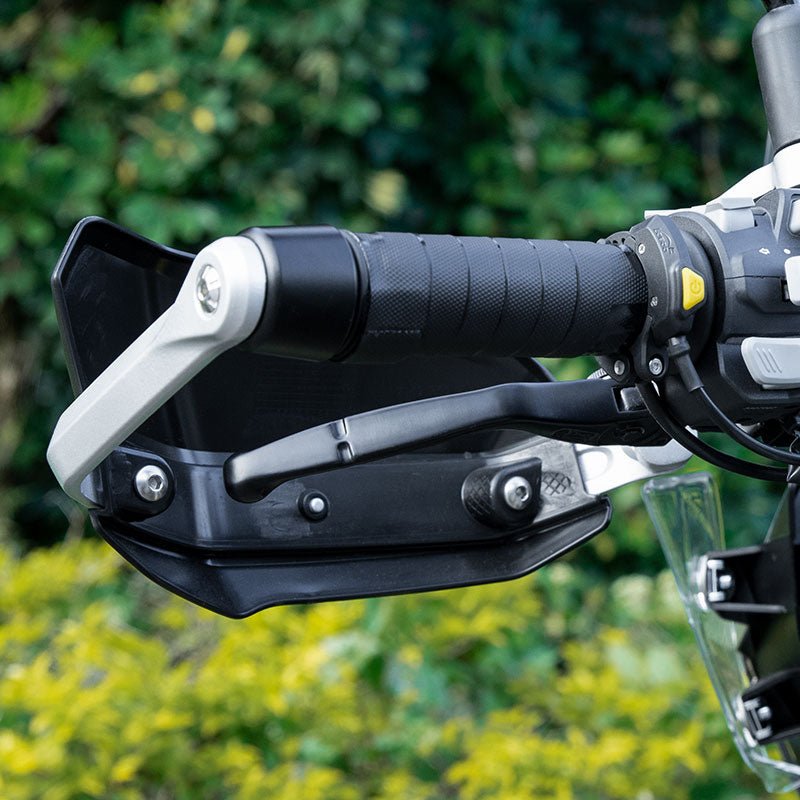
Footpegs, handlebar risers, and the seat also deserve attention. Those who often exceed 6-8 hours of riding per day benefit from a more relaxed triangulation, especially if they alternate asphalt and standing on the footpegs. Heated grips are almost mandatory, but alone they are not enough if the air directly hits the hands. Effective handguards and aerodynamic protection work together.
Lighting and visibility on long stretches
In Northern Europe, light changes rapidly, the weather reduces contrast and depth, and visibility can worsen even in broad daylight. The original lighting system of many modern GS models is valid, but on long journeys, well-installed auxiliary spotlights offer a concrete advantage.
The point is not just to see better at night. It's also to be seen in conditions of rain, light fog, glare, and scattered traffic. However, a quality system is needed, with dedicated brackets, neat wiring, and absorption compatible with the bike's electrical system. Installing additional lights illogically or with flimsy supports leads to vibrations, electrical problems, and poor reliability.
Another useful detail concerns passive visibility. Reflectors, reflective elements integrated into the luggage, and organized rear-end management help other vehicles perceive the bike, especially on grey and damp days.
Navigation, power, and electrical accessories
When the route involves thousands of kilometers, ferries, detours, and isolated stops, navigation must be stable. A poorly mounted GPS or smartphone holder becomes a problem after the first rough section. Vibrations, readability, and accessibility are real factors, not details.
For this reason, it's advisable to use specific GS mounts, with solid attachment and position in the field of vision. Charging must be reliable and waterproof. If you use multiple devices – navigator, phone, intercom, action cam – it makes sense to consider the overall absorption and the neatness of the system. On long trips, improvised wiring doesn't last long.
When to add additional sockets and modules
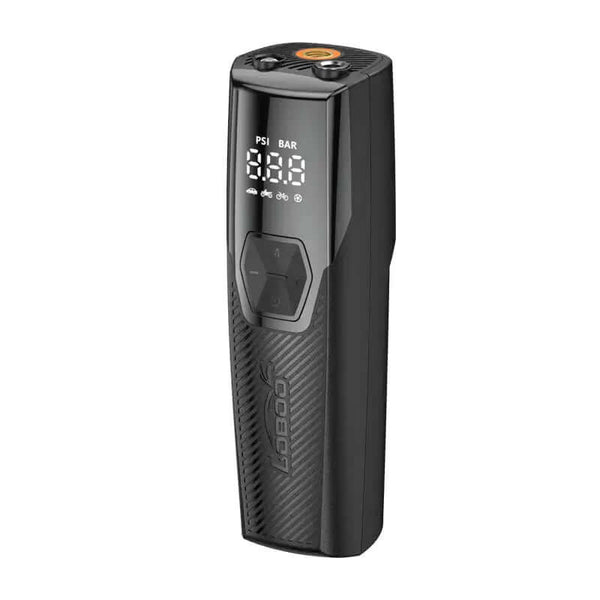
If your setup includes heated clothing, a portable compressor, or extra electronics, consider additional sockets and power distribution. They are not always necessary, but on long itineraries and unstable weather, they can make the bike much more functional. The important thing is not to unnecessarily complicate the system.
Tires and setup: the accessory that doesn't seem like an accessory
When talking about GS equipment for Northern Europe, many focus on panniers and protection and neglect the basics: suspension setup and tires. This is a mistake. With a loaded bike, a possible passenger, and wet roads for days, the choice of tire affects more than many visible accessories.
If the journey remains predominantly on asphalt, with some gravel roads or secondary sections, it makes sense to opt for road adventure tires with good drainage and stability at constant speed. If, on the other hand, you anticipate more off-road and variable conditions, a different compromise is needed. There is no perfect tire for everything, and here technical honesty matters more than personal preferences.
Suspension adjustment must also be revised based on the load. A GS with incorrect preload brakes worse, copies bumps worse, and fatigues the rider more. Before investing in secondary accessories, it's advisable to ensure that the bike works well in its real travel configuration.
What to avoid when preparing the GS
The most common mistake is overloading. Adding accessories without a clear function worsens weight, bulk, and maintenance. The second mistake is choosing universal components when the trip requires precise compatibility. On a GS, dedicated mounts, correct geometries, and clean integration make the difference between a bike ready to go and a bike full of random parts.
The "it might come in handy" logic should also be avoided. In Northern Europe, accessibility is needed, not accumulation. If an accessory doesn't improve protection, comfort, load capacity, or travel management, it often remains just extra weight.
For those who prepare their bike with discernment, a technical catalog organized by model, like Endurrad's, helps precisely with this: separating useful accessories from merely interesting ones.
A GS ready for Northern Europe is not the one with the most components installed. It's the one that remains stable, practical, and reliable when the weather changes three times in the same day and you still have hundreds of kilometers ahead. Preparing it well means giving yourself a bike designed to go anywhere, without wasting time managing limitations you could have solved before leaving.