

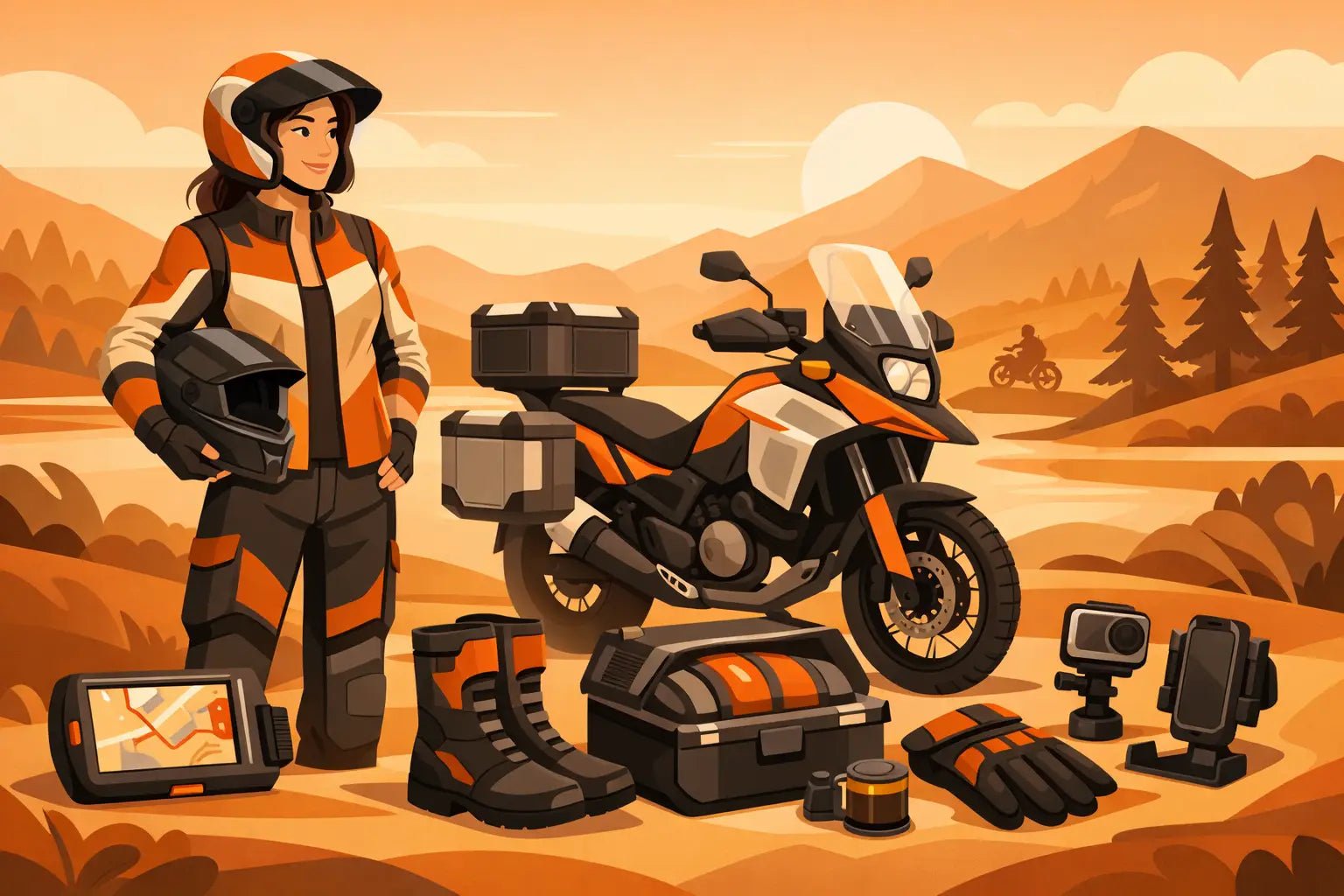
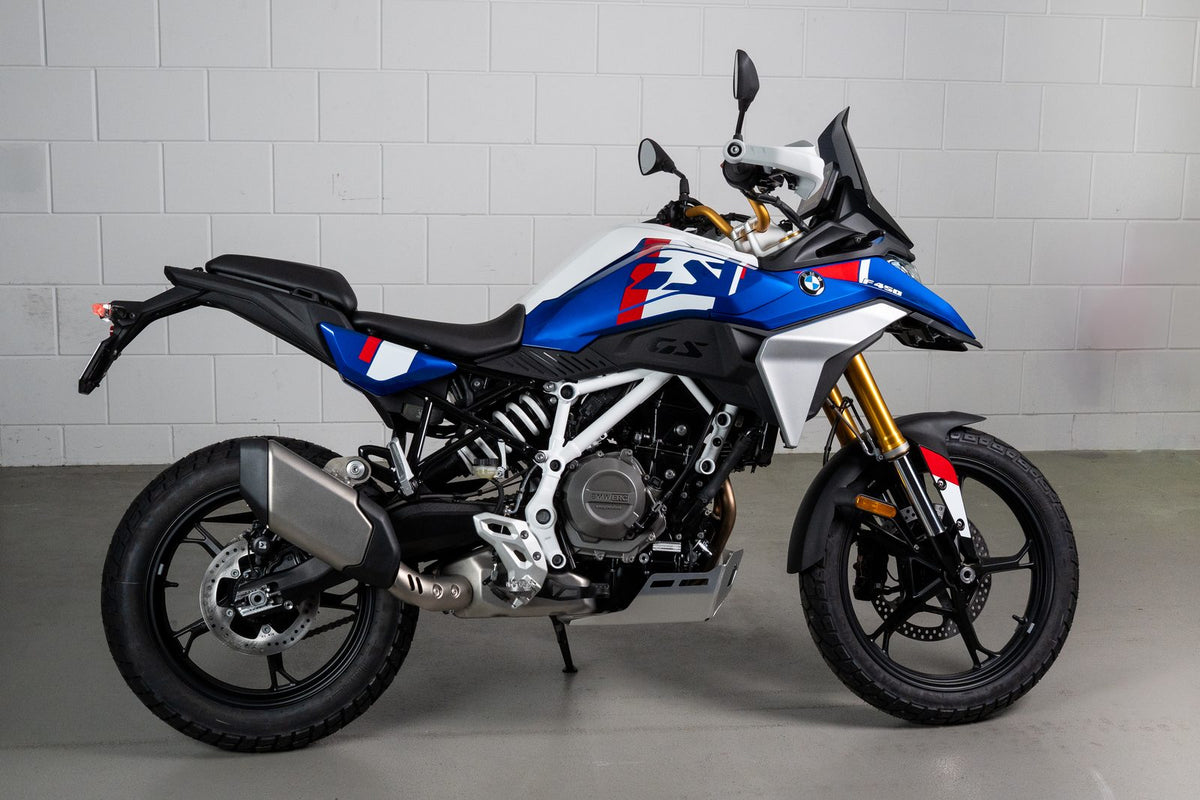
Anyone who truly prepares an adventure bike for 5,000 km of asphalt, rocky trails, and rain knows it well: the mistake is not buying too much, but buying poorly. The best adventure motorcycle accessories 2026: a complete guide for long trips and off-road starts here, with a selection that must improve protection, autonomy, carrying capacity, and navigation without unnecessarily weighing down the motorcycle or complicating its use off-road.
By 2026, the average quality of accessories has increased, but so has the difference between a product designed for a catalog and one truly engineered for travel. On platforms like BMW GS, KTM Adventure, Honda Africa Twin, Yamaha Ténéré, or Triumph Tiger, the right choice depends less on fashion and much more on three concrete factors: specific model compatibility, real resistance to mixed road-off-road use, and ease of installation and maintenance.
How to choose the best adventure motorcycle accessories 2026
The correct approach is not to start with aesthetics, but with usage. A motorcycle used for commuting, weekend rides, and light gravel requires different priorities than a motorcycle equipped for BDRs, 800 km per day transfers, or two-up travel with full luggage. This is where many spend poorly: they mount heavy components on a light dual-sport, or they skimp on the very areas that save the bike in a low-speed fall.
The first distinction is between essential accessories and situational accessories. Essential ones are those that protect the motorcycle, improve cargo transport, make navigation legible, and increase comfort for hours in the saddle. Situational ones are only useful in specific scenarios, such as extreme supplemental lighting, rally accessories, or highly specialized luggage solutions.
Another often underestimated criterion is high weight versus low weight. Adding panniers, racks, top cases, auxiliary lights, and various supports raises the center of gravity and changes the motorcycle's response in slow maneuvers and off-road. On a BMW R 1300 GS, the margin is wide. On a Ténéré 700 or a KTM 890 Adventure R, every kilo mounted high up is felt more.
Protection: the first upgrade that avoids costly damage
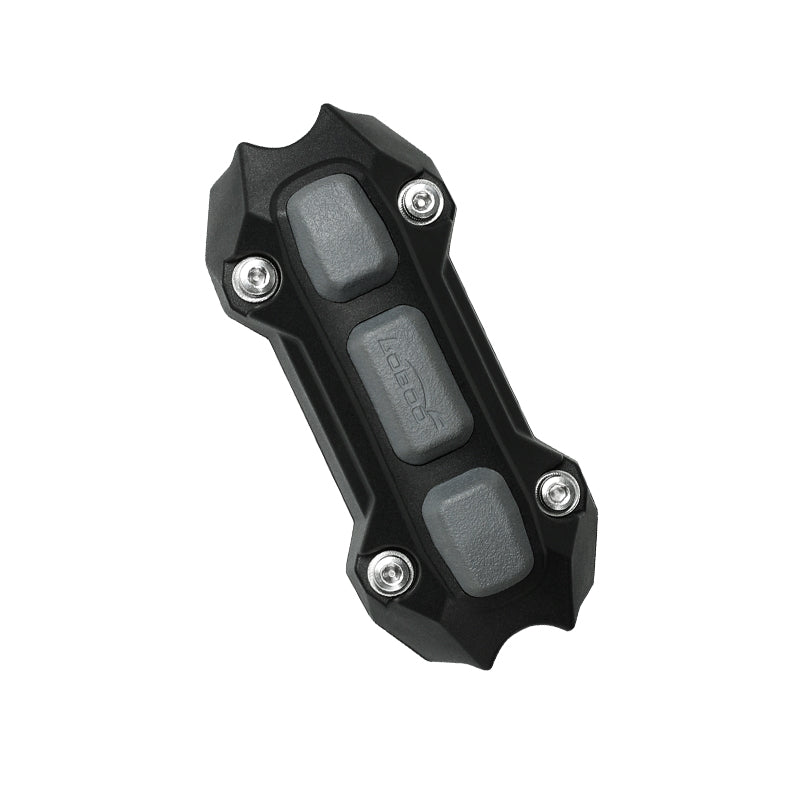
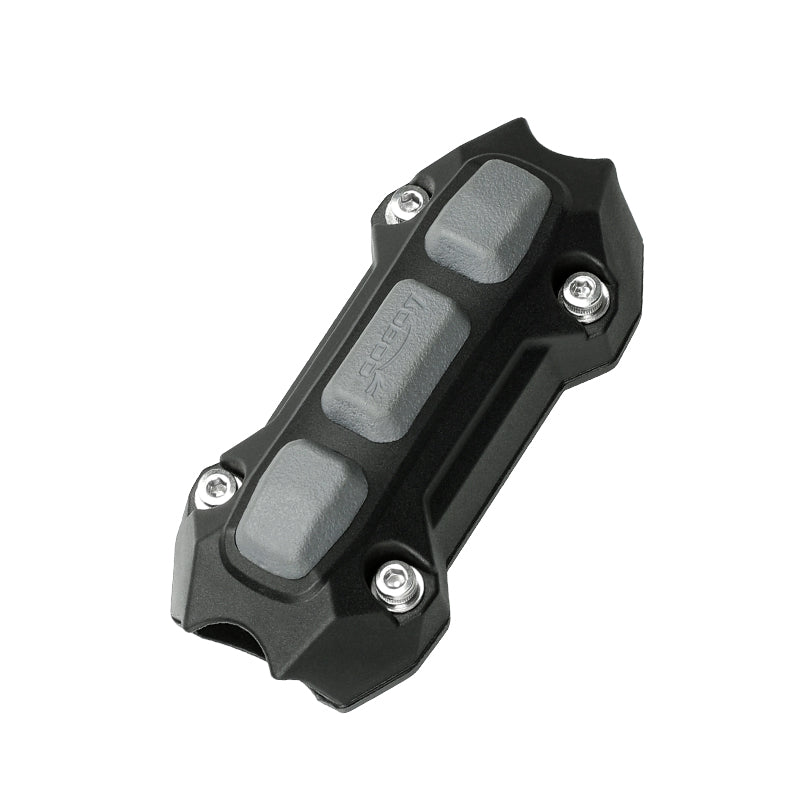
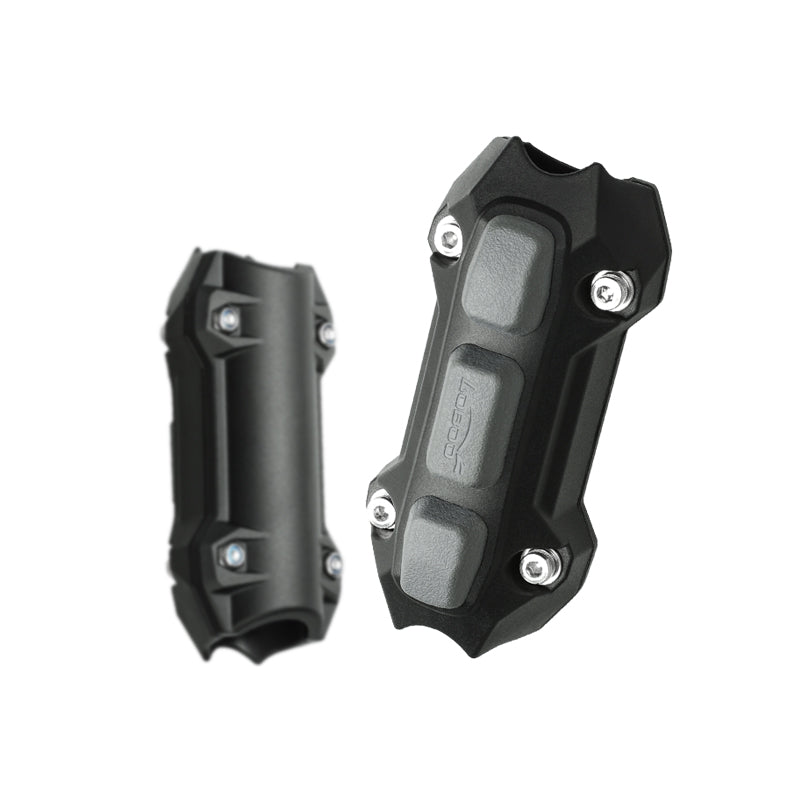
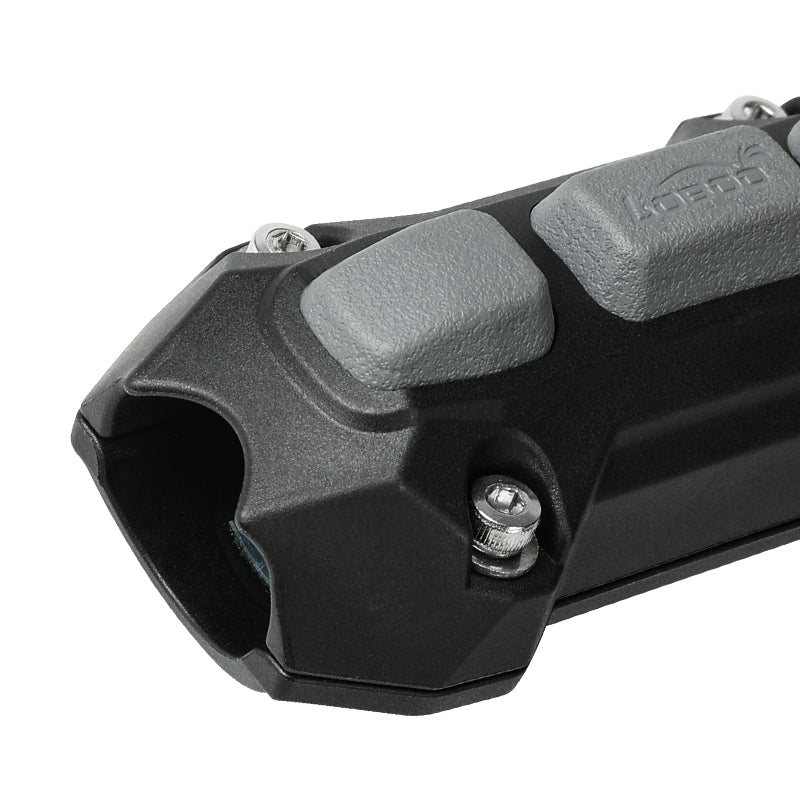
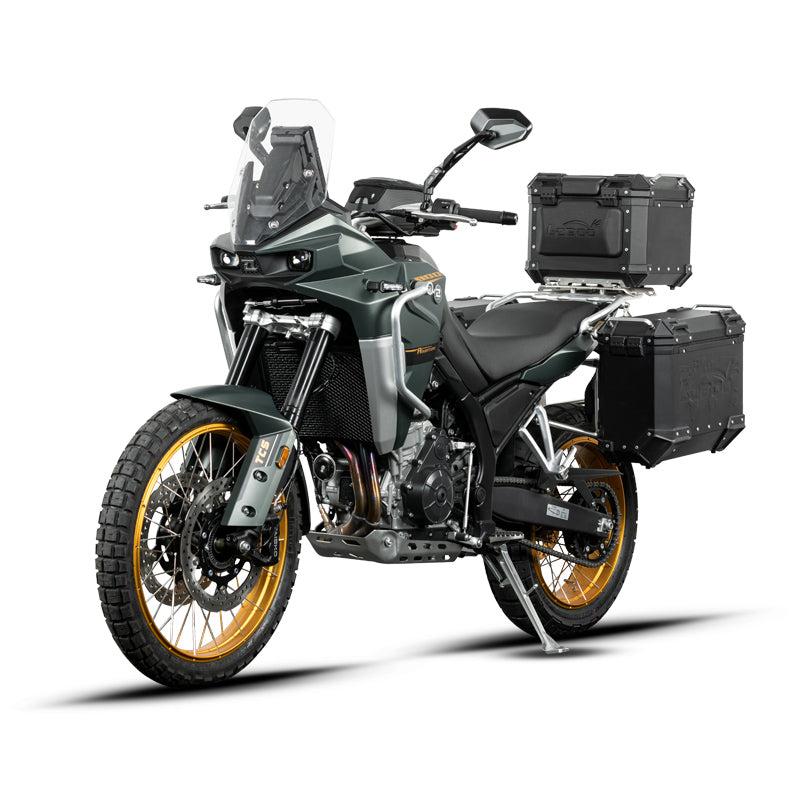
If the bike goes off-road, or simply tackles long journeys with a full load, protection is not a secondary accessory. Engine crash bars, radiator guards, skid plates, and engine covers reduce the risk of being stranded by avoidable damage after a trivial slide or impact with a stone.
Quality crash bars should distribute impact, not just add tubes around the engine. The mounting points, distance from fairings, and how they work with other components, like skid plates or cylinder guards, all matter. On BMW boxers, for example, side coverage is particularly important. If you ride a GS, it might be useful to delve deeper into the choice of dedicated components by reading Side Valves for BMW R1250 GS: buying guide.
Radiator protection is one of those upgrades that seem minor until the day a stone thrown by the front wheel or a riding companion leaves its mark. The compromise here is simple: a grid that is too closed protects more but can worsen airflow; one that is too open lets too much through. In hot areas or during slow transfers in summer, this detail matters.
Luggage: carrying capacity without penalizing riding
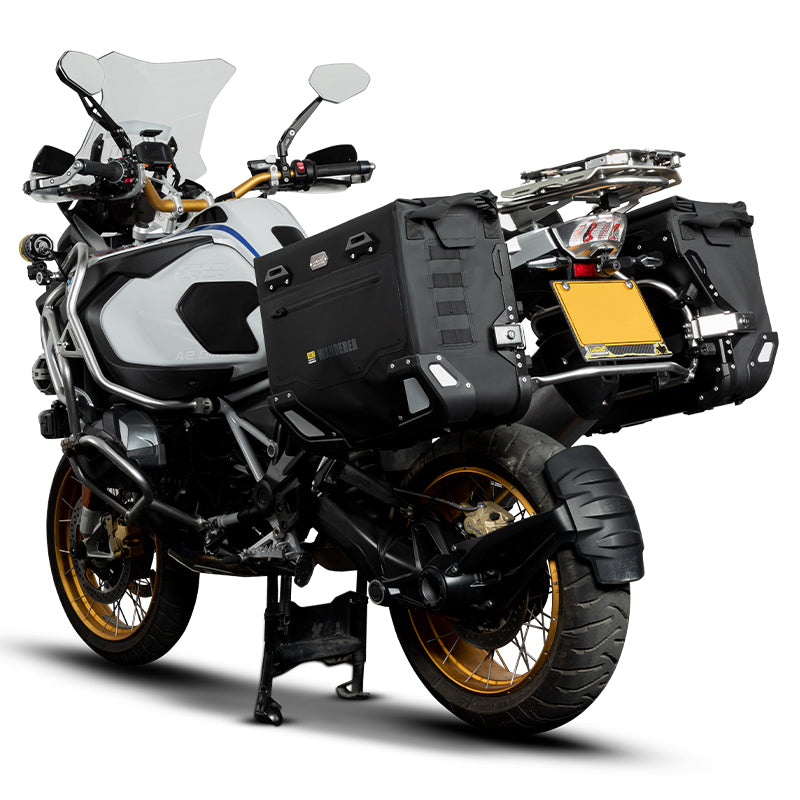
In the adventure world, there is no single solution. Hard luggage, soft bags, and tank bags meet different needs. Aluminum panniers remain the classic choice for long-distance touring on mixed routes with a lot of asphalt: they protect contents better, are easy to load, and offer an organized platform. On the other hand, they add weight and width, and in technical off-road, they are less forgiving in falls.
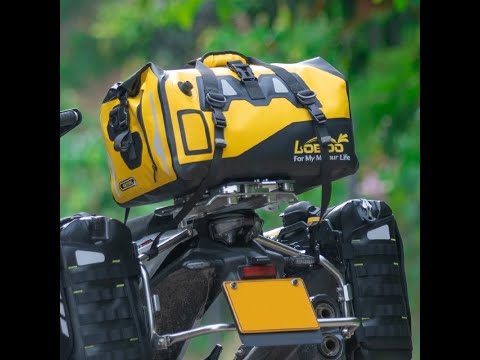
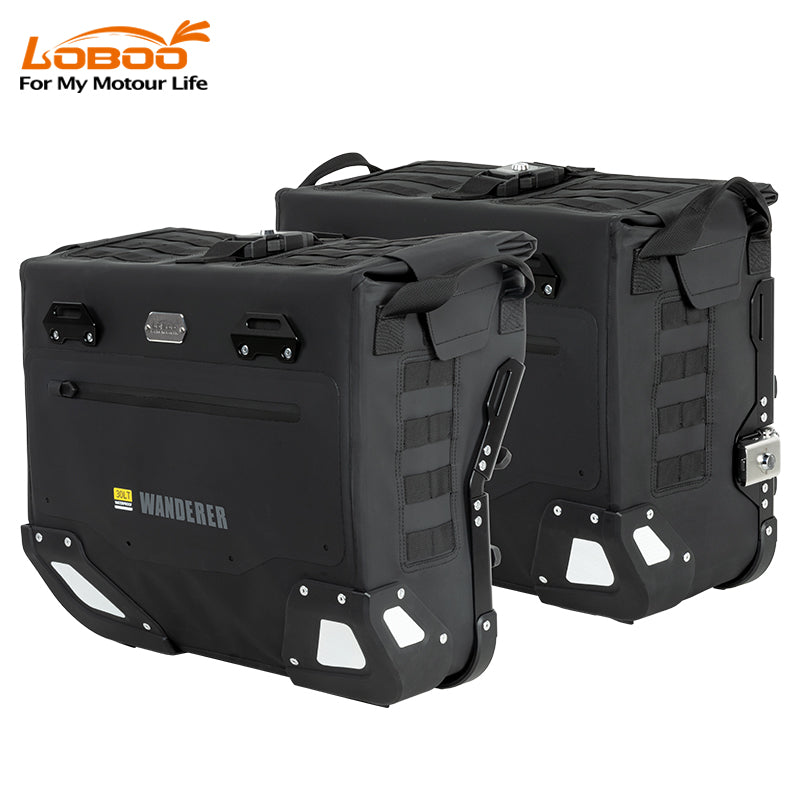
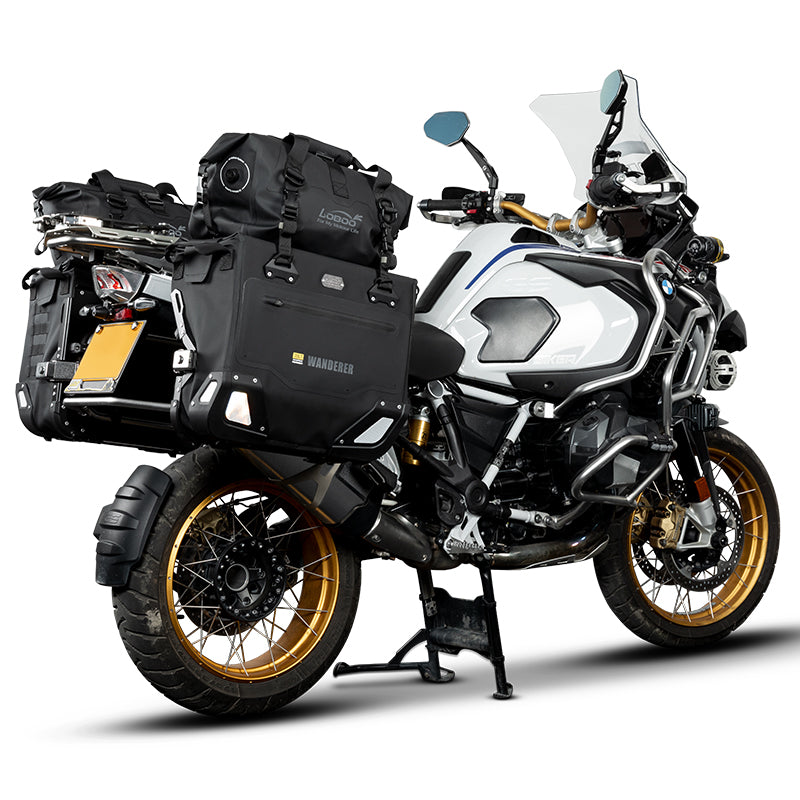
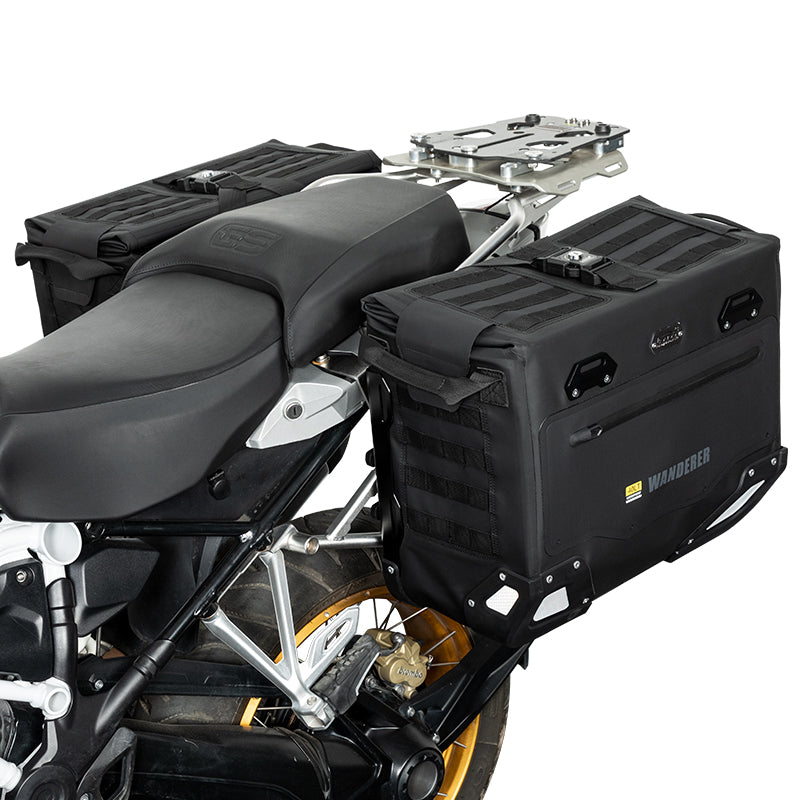
Soft bags have gained ground because they combine lightness, water resistance, and greater impact tolerance. For those tackling trails, wide single tracks, or long uneven sections, they are often the smarter choice. The drawback is the daily management of contents: less immediate access and less passive security compared to a lockable hard system.
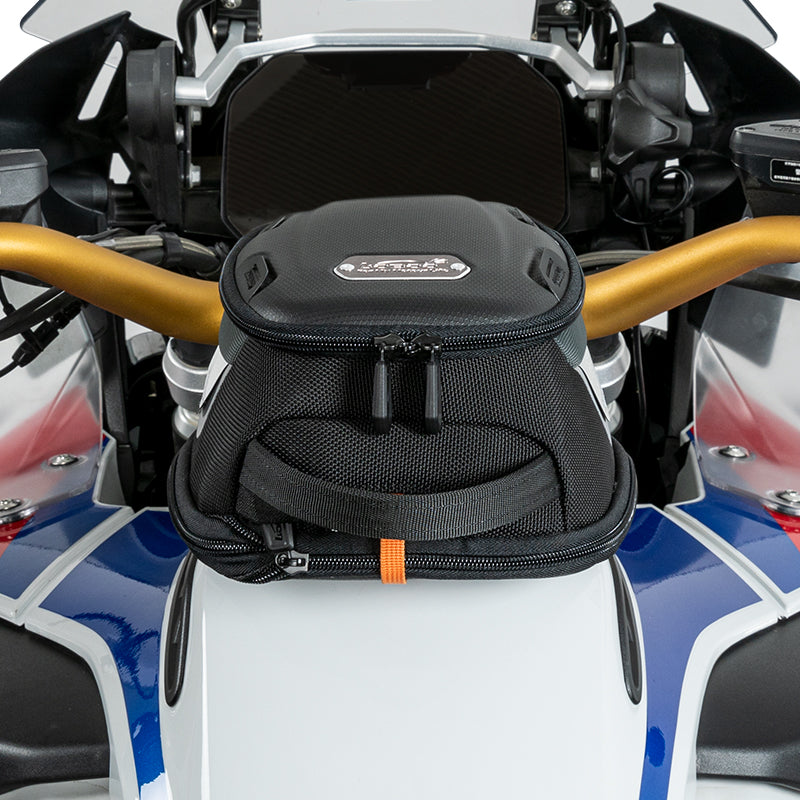
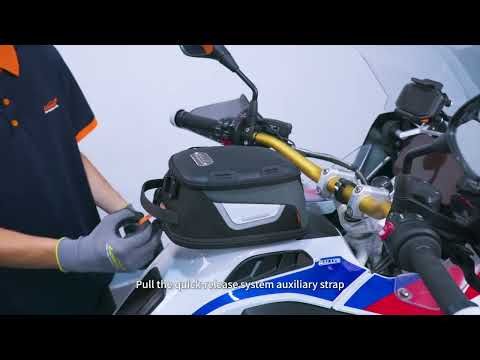
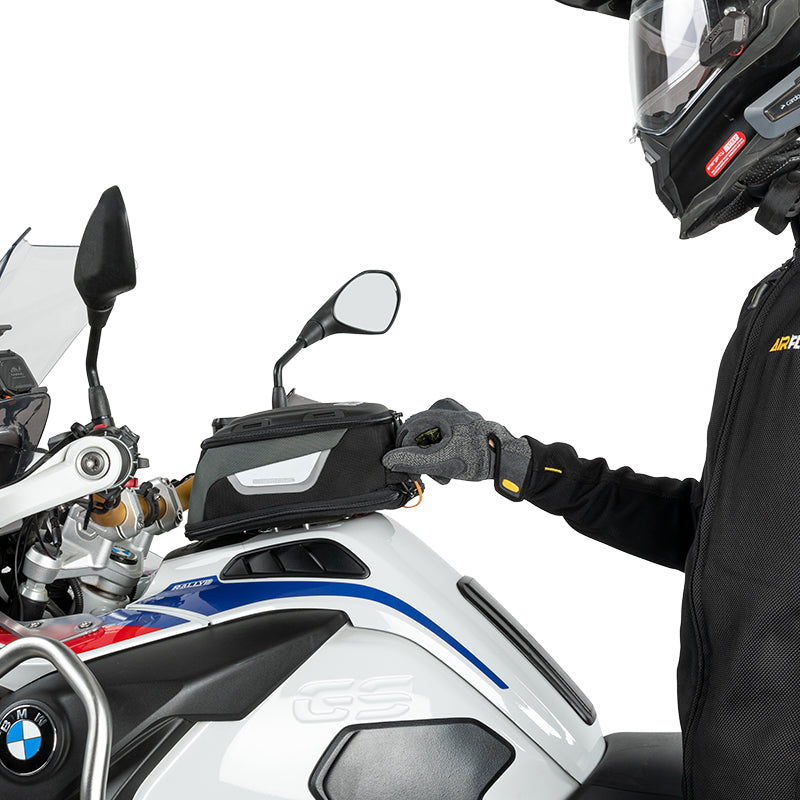
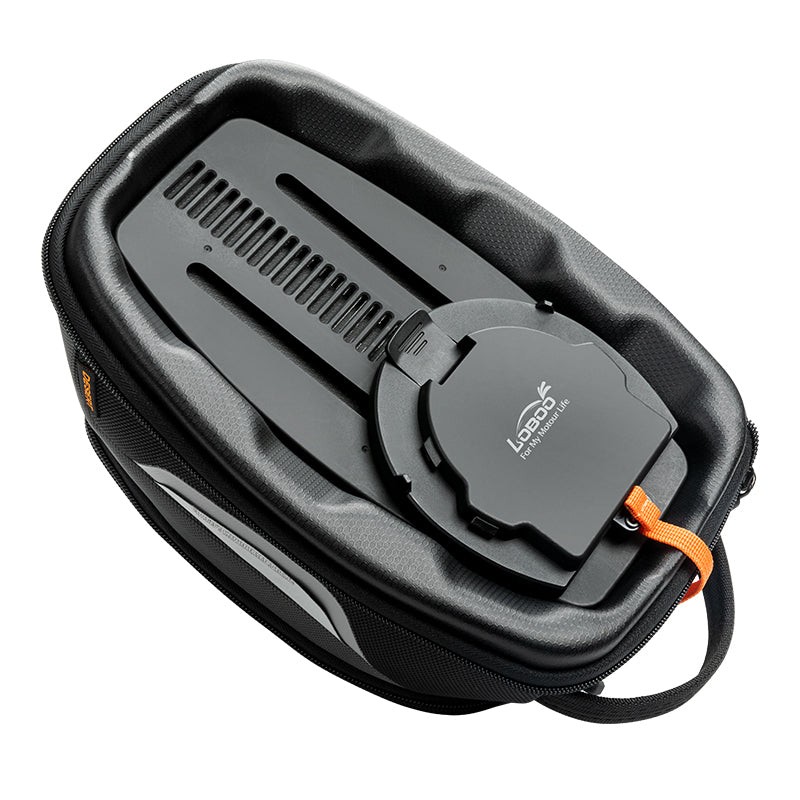
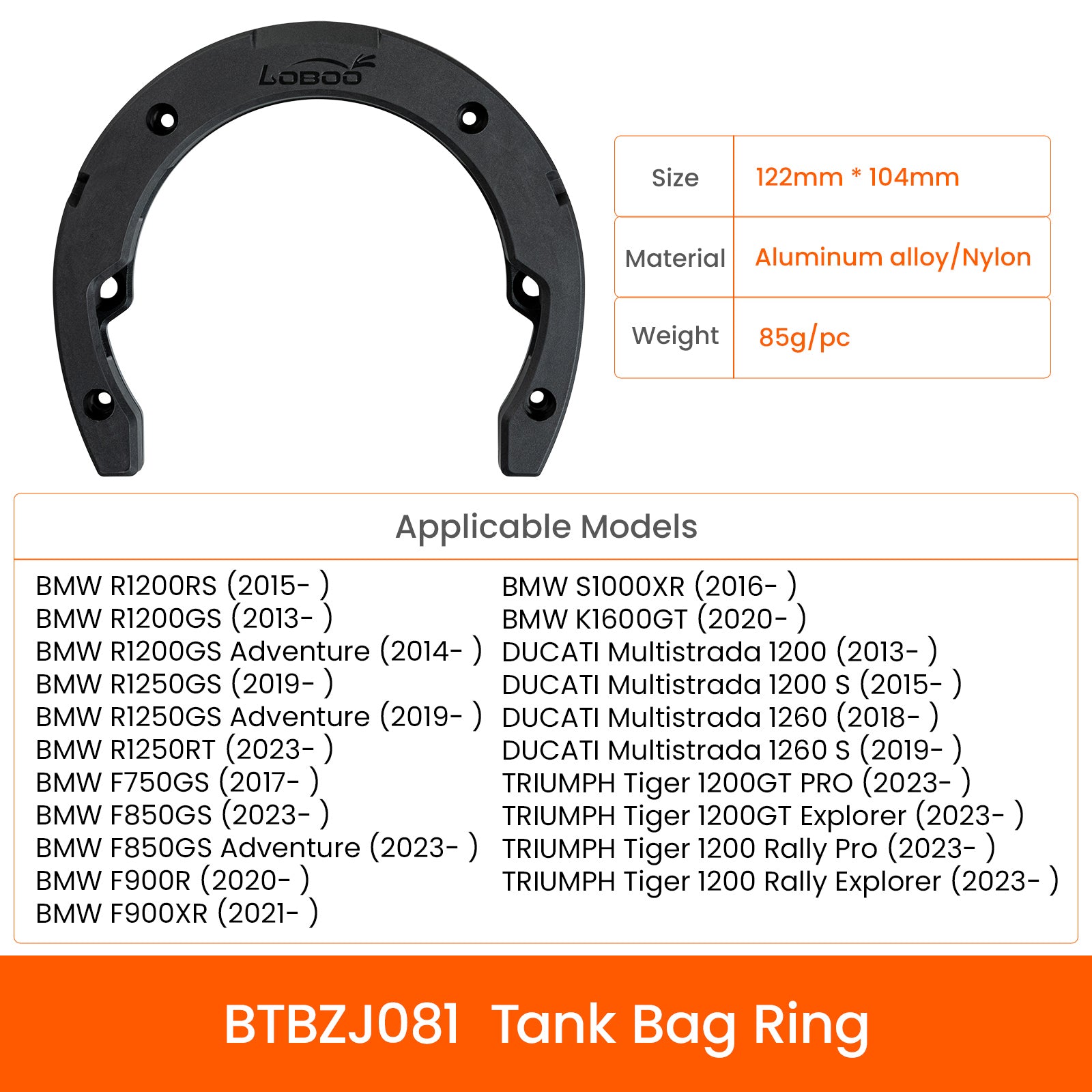
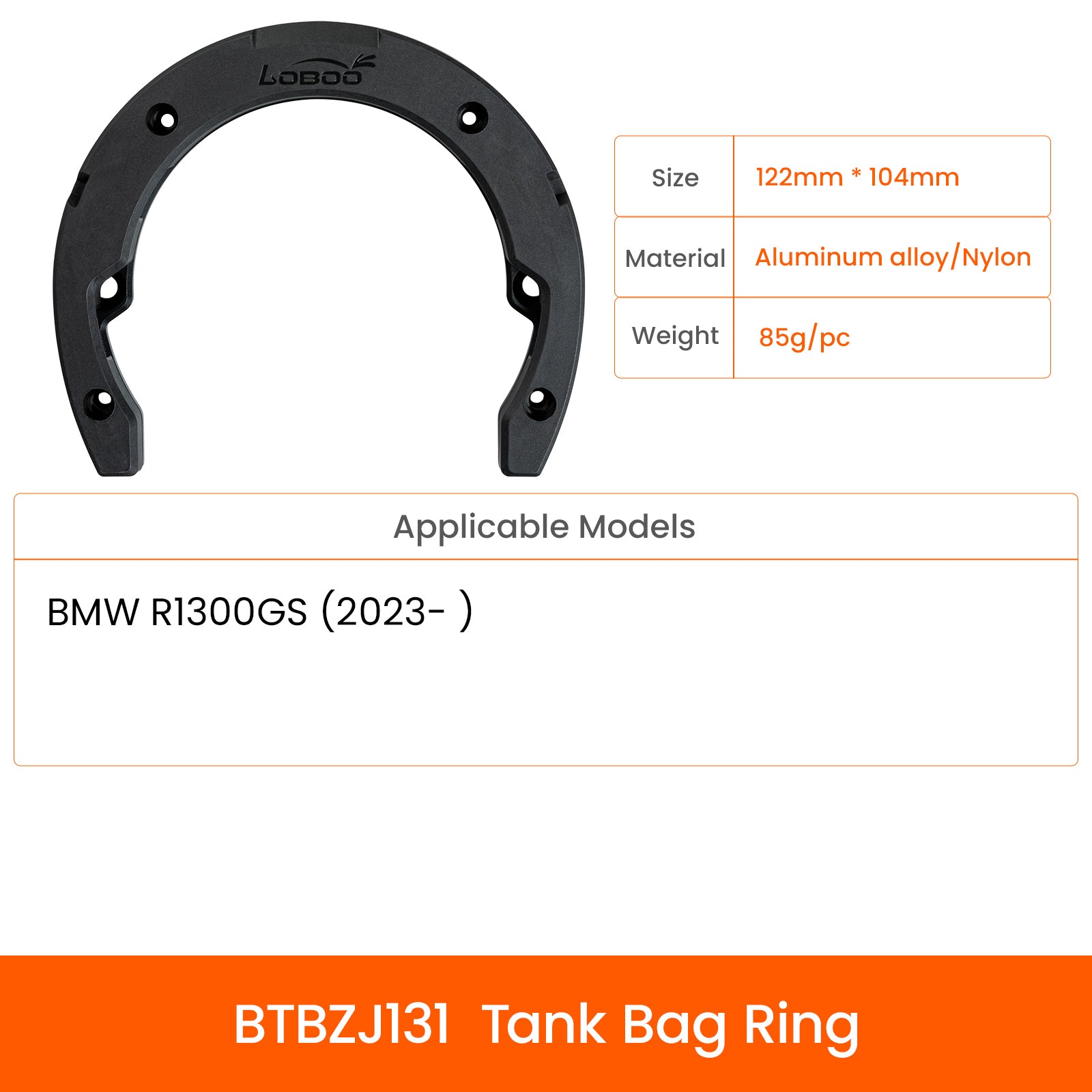
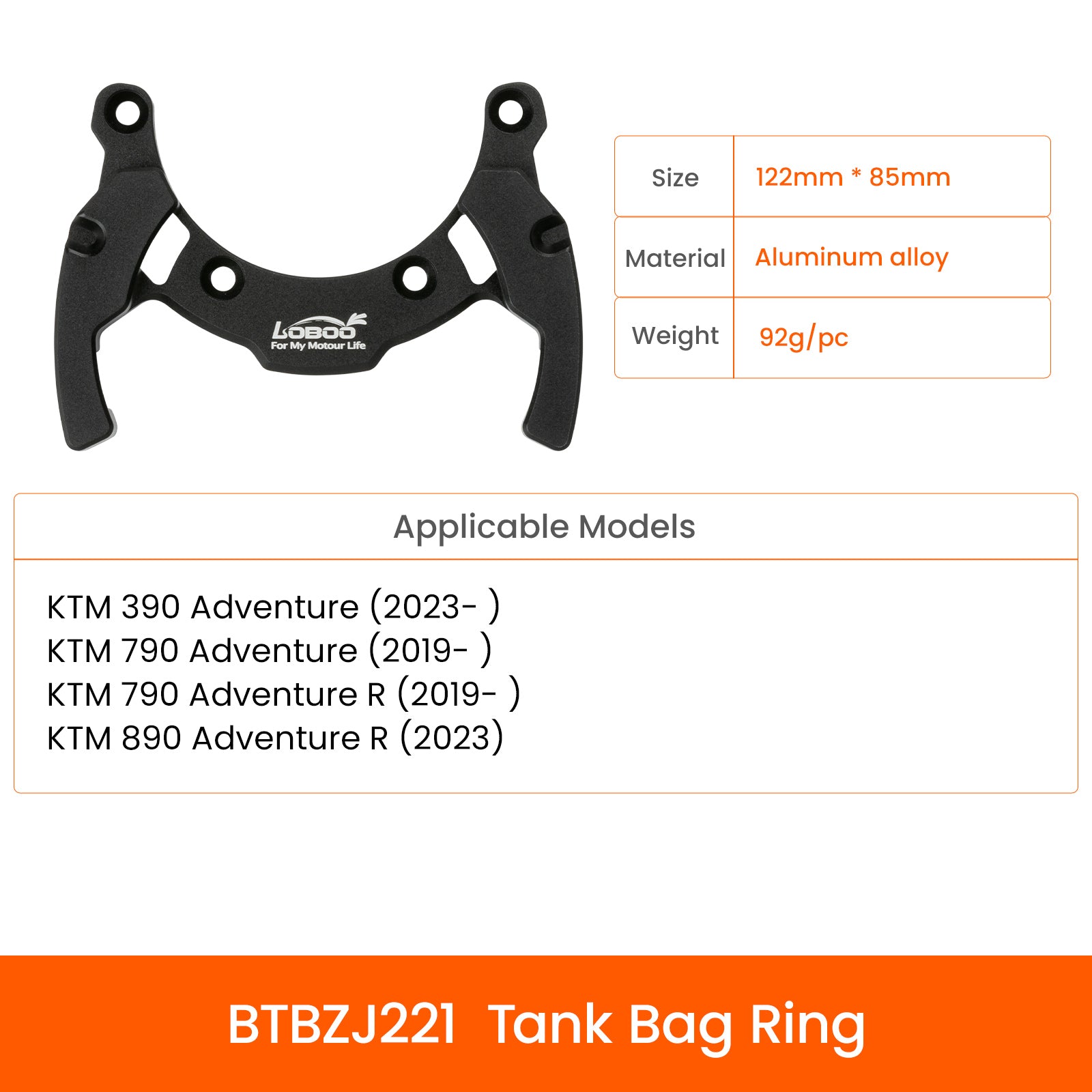
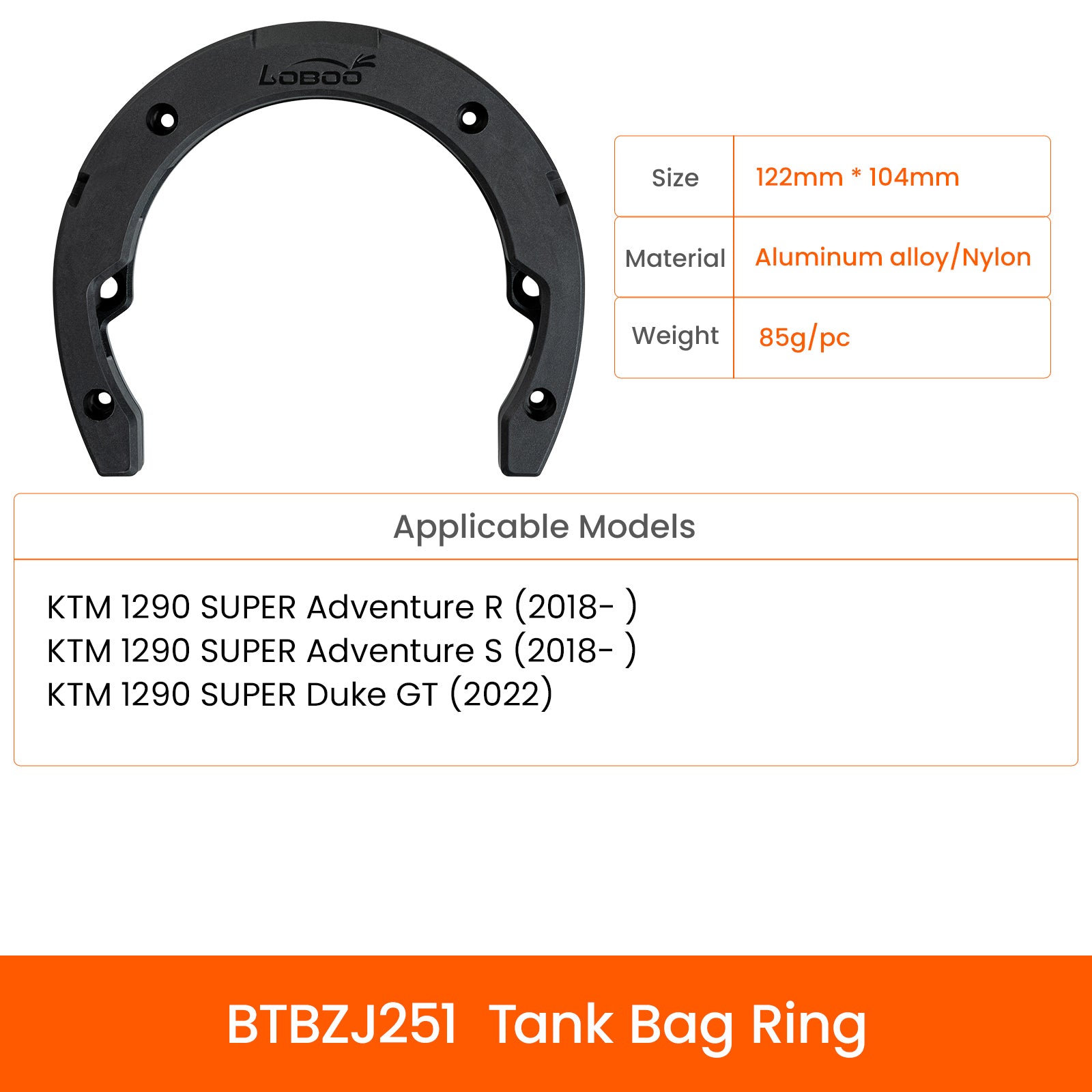
The tank bag remains one of the most useful accessories for long journeys. Documents, power banks, gloves, glasses, snacks, and small tools should be within reach, not at the bottom of a pannier. In 2026, the best systems focus on stable fastenings, one-hand openings, and well-integrated cable ports.
On BMW GS, the topic of choosing luggage deserves separate consideration due to frames, compatibility, and available volumes. If you are configuring that platform, you will find practical insights in BMW GS Side Cases: how to choose them.
Electronics and navigation: today they really make a difference
In the last two years, the category that has grown the most is not luggage, but onboard electronics. Dedicated displays, CarPlay and Android Auto interfaces, dashcams, TPMS, and well-designed charging mounts have changed the way we travel by motorcycle. It's not a luxury. It's a functional upgrade, especially when spending many hours in the saddle and crossing unfamiliar areas.
A good adventure display must be readable in the sun, resistant to rain, vibration, and dust, and mounted in a position that does not force you to look away from the road too much. A large screen is convenient, but only if the mount is stable and does not obstruct the instrument cluster. Wiring also matters: a clean installation reduces electrical problems and keeps the handlebar area tidy.
CarPlay and similar systems are particularly valuable for long-distance touring, where navigation, music, calls, and offline maps must coexist without having to manipulate the phone. To understand which solutions make sense on an adventure or touring motorcycle, it is worth reading Displays and CarPlay for Adventure and Touring motorcycles.
TPMS and dashcams deserve a separate note. The first helps prevent problems, the second documents them. TPMS is especially useful with variable loads, long highway transfers, or gravel roads where a slow leak can go unnoticed until riding deteriorates. A dashcam makes sense for those who rack up miles and want extra protection, including for insurance purposes.
Comfort and control: accessories that reduce fatigue
They often take a back seat in product descriptions, but after the third consecutive day of travel, they become decisive. Adjustable windscreens, handlebar risers, wider footpegs, improved seats, cruise assist, and aerodynamic deflectors are accessories that don't make a show like a set of panniers, but they change rider performance.
The point is not to make the bike soft. The point is to reduce unnecessary fatigue. A better seat distributes the load. Wider footpegs give more control when standing. A well-chosen windscreen reduces turbulence on the helmet and shoulders, but here the rule of "it depends" applies: a perfect screen for a 175 cm rider may be terrible for a 190 cm rider.
Heated grips, or their aftermarket equivalents on bikes that lack them, remain among the upgrades with the best utility-to-price ratio for year-round riders. They are not only needed in winter. They are needed at altitude, in the rain, early in the morning, and whenever cold reduces sensitivity and precision of controls.
Lighting and visibility: smart upgrades, not excesses
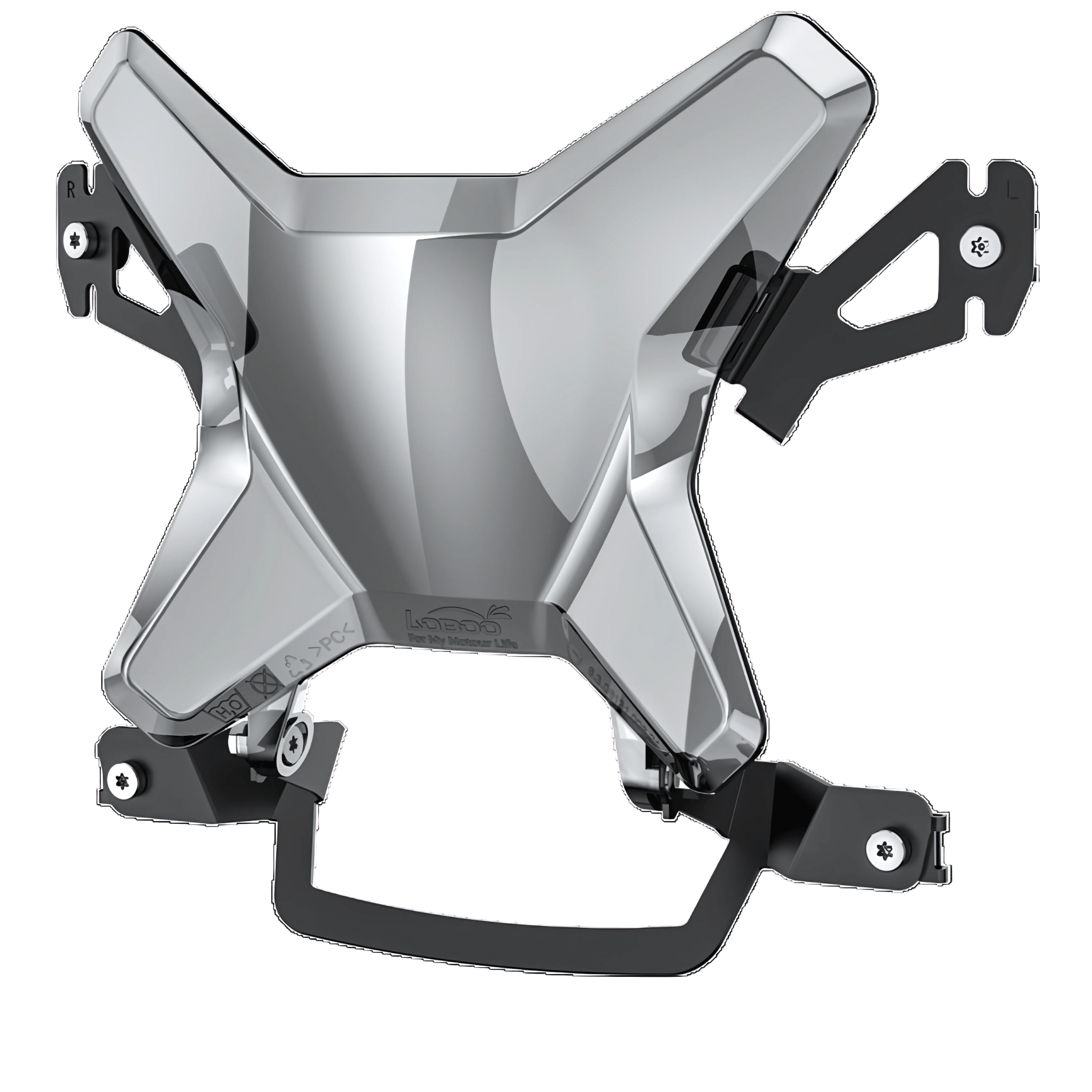
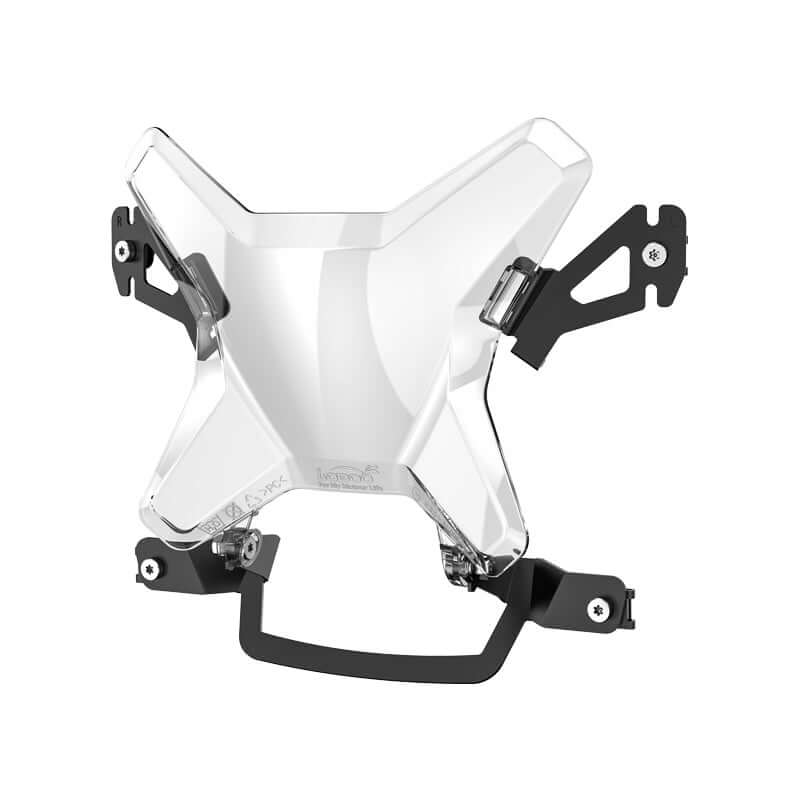
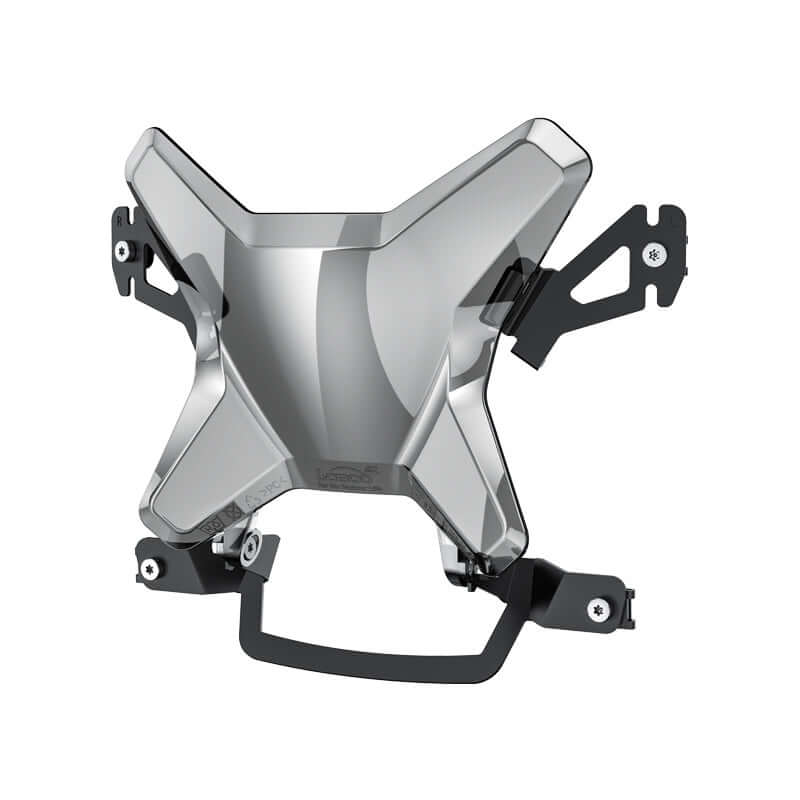
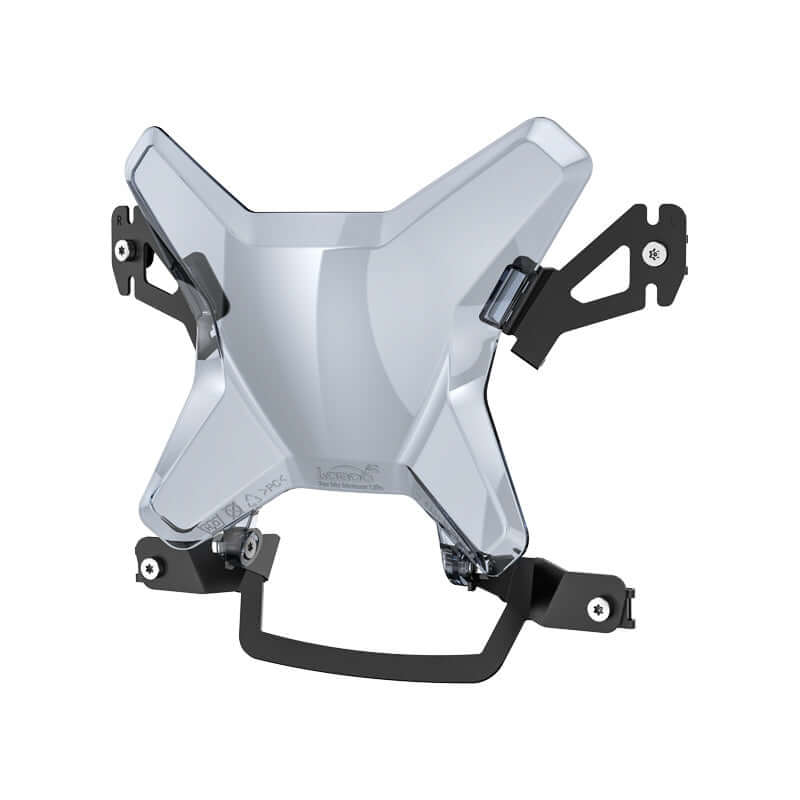
Auxiliary lights make sense when they genuinely expand the light cone or improve the motorcycle's visibility in traffic. They make less sense when they are mounted only to fill the front with extra hardware. In a true adventure setup, the priority is to have a useful, well-regulated, and reliable beam over time.
For night touring or remote areas, a pair of quality auxiliary lights can make a difference. But pay attention to electrical absorption, mounting position, and impact resistance. A cheap kit that vibrates, fogs up, or shifts its beam after a few hundred kilometers is not an upgrade: it's an added problem.
Which accessories to buy first, if the budget is limited
If you need to make progressive choices, the correct order is quite clear. First protection, then luggage, then electronics, then comfort fine-tuning. Protection prevents costly damage. Luggage makes the bike truly ready to go. Electronics improve daily use and travel. Comfort refines the package for those who spend many hours in the saddle.
This does not mean that everyone should start in the same way. Those who use the bike mainly for commuting and weekends, but want to prepare it for a big annual trip, can prioritize a display and tank bag. Those who go off-road immediately, however, should first invest in crash bars, protection, and a lightweight luggage solution.
On premium platforms like GS, Africa Twin, or KTM Adventure, the temptation is to accessorize everything at once. It's better to avoid this. An effective setup results from compatible components, chosen based on the type of route, load, and actual frequency of use. This is the difference between a bike ready to go and a bike just full of accessories.
On https://endurrad.com, this approach makes sense because selection by category and compatibility helps build a coherent setup, not a random sum of parts. For those who truly travel, this is the point: every accessory must earn its place on the motorcycle.


Share:
Displays and CarPlay for Adventure and Touring motorcycles
How to choose motorcycle panniers: aluminum or semi-rigid