If you are preparing a KTM for serious travel, the question is not how many accessories to install. The right question, in a KTM Adventure accessories guide, is which components you really need for your use: weekends with proper off-road riding, long trips with luggage, or mixed journeys where you ride 500 km of asphalt and then tackle a rocky section the next day.
On a KTM Adventure, every choice matters in three ways: the actual weight on the bike, the bulk when you ride standing up, and the margin for error when you crash or have to get moving again far from home. That is why useful accessories are not the ones that fill out the specifications, but the ones that solve a specific problem.
KTM Adventure accessories guide based on real priorities
The first distinction is simple: accessories for protection, carrying luggage, seeing and being seen, and improving comfort in the saddle. Starting here helps you avoid the classic mistake of spending first on aesthetic comfort and then discovering that at the first stationary tip-over you have already marked the fairings, tank, or headers.
On models such as the KTM 890 Adventure and 1290 Super Adventure, the bike's setup changes considerably depending on how you use it. The 890 tends to benefit from lightweight, compact solutions, especially if you ride medium-to-heavy off-road terrain. The 1290 handles luggage and touring accessories better, but for that very reason it can become wider, heavier to maneuver, and less intuitive during slow-speed maneuvers. This is not a minor detail: the same accessory may be appropriate on one and unnecessary on the other.
Start with protection, not luggage
If you ride even a few rough sections, protecting the bike should come before increasing its carrying capacity. An engine guard, skid plate, and handguards are the elements that make the difference between a slide that costs you ten minutes and one that forces you to turn back.
The engine guard is especially useful when the bike lands awkwardly or falls while stationary on uneven ground. Do not view it merely as a tube around the fairing. What matters is where it transfers forces, how far it protrudes, whether it interferes with routine maintenance, and whether it leaves sensible access to critical areas. For touring use, a well-integrated protector may be enough; on rougher routes, it makes sense to look for a more extensive structure, accepting a few extra kilos and some additional bulk.
The skid plate is even more dependent on the riding scenario. If you ride compact gravel roads, its job is to deflect occasional impacts and dirt. If you ride over steps, loose rocks, or deep ruts, everything changes: you need real coverage across the lower section and exposed sides. The compromise is clear - more protection often means more weight and less immediate workshop access.
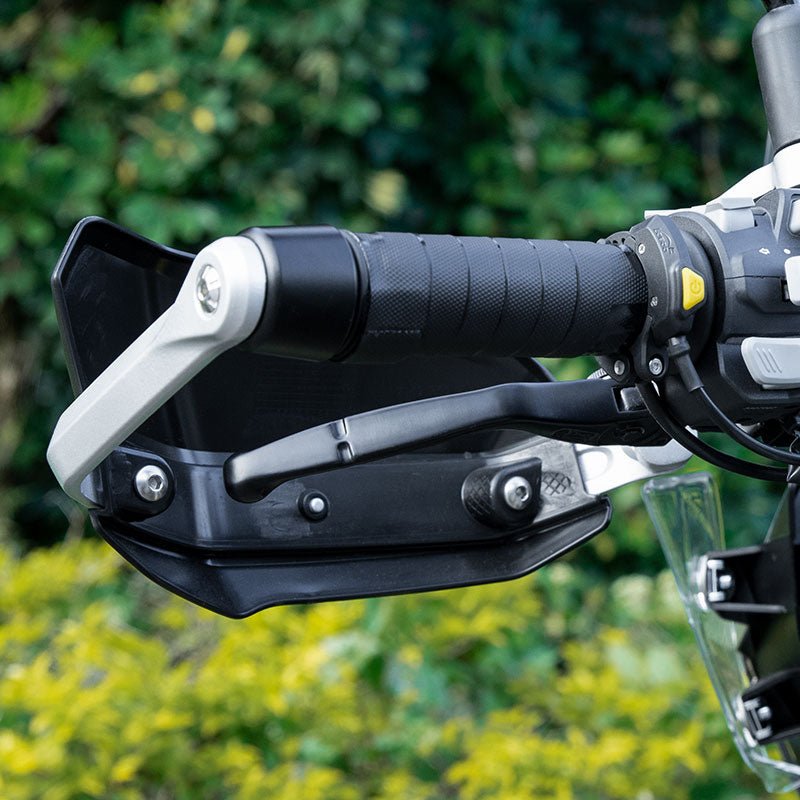
Finally, handguards are not only useful against wind and rain. On trips, they protect levers and hands; on light off-road terrain, they prevent pointless damage from branches or a slow-speed slide. If you choose them, assess the rigidity of the structure and the actual clearance around the original controls and master cylinders. Compatibility on a KTM must be checked carefully, especially if you have already changed the handlebar, mirrors, or heated grips.
Luggage: how much do you really need to carry?
The second critical area is luggage. It is also where people make the most mistakes, because they tend to buy based on the stated capacity rather than the type of route.
For a KTM Adventure used on asphalt and light off-road terrain, semi-rigid cases or soft luggage offer a concrete advantage: they weigh less and tolerate impacts better in a fall than a traditional rigid system. If, on the other hand, you make long road trips, perhaps with a passenger, or need very precise load organization, aluminum cases remain a rational solution. They offer order, immediate access, and a stable platform, but they make the bike wider and move weight higher up, which you then feel during U-turns, tight hairpins, and rough sections.
The tank bag is often the most underrated accessory. On a KTM Adventure, it works well when you frequently use navigation, documents, spare gloves, a power bank, or essential tools. But it must leave you free to move, especially when riding standing up. A bag that is too tall or too far back becomes annoying after just an hour of off-road riding.
The luggage rack system should be considered according to the same logic. It is not only there to "carry the bags." It affects overall width, ease of removal, and the system's resistance when the bike vibrates for hundreds of kilometers or touches down on its side. If you take intense one- or two-day trips, a well-secured soft setup is often more sensible than a complete rigid structure.
The most common luggage mistake
Loading the bike as if every trip were an expedition. On a KTM Adventure, especially if you maintain a brisk pace or ride off-road, excessive luggage worsens balance, braking, and confidence. It is better to choose a system consistent with what you actually use: rain gear, technical layers, essential tools, a repair kit, water, and not much else. Everything else needs justification.
Ergonomics: the accessory you feel after 300 km
Many accessories seem secondary until you spend a full day riding. Then they become the difference between arriving clear-headed or exhausted.
Handlebars, risers, footpegs, and the seat should be chosen according to your height and how you ride. If you alternate between asphalt and standing riding on a KTM Adventure, a position that puts too much weight forward will tire you out in both situations. Handlebar risers can help, but they are not an automatic solution. If you go too far, you worsen seated control and change how the front end feels. They work when they compensate for a real posture issue, not when they simply follow a trend.
Wider footpegs make sense if you ride off-road and spend many hours standing. They provide more stable support and reduce fatigue in the sole of the foot, especially with rigid touring boots. On the other hand, they can change sensitivity on the controls and, in some cases, reduce ground clearance or freedom of movement when cornering.
The seat is the most personal point of all. There is no universally correct seat. There is only the one that supports your pelvis, suits your height, and works for your mileage. More padding does not always mean more comfort. Sometimes the right shape, with even support, works better than an overly soft seat that creates pressure points after two hours.
Lights and navigation: useful when they really matter
Anyone who rides early in the morning, returns late, or crosses isolated areas knows that lighting and navigation are not decorative accessories. They are tools for safety and orientation.
Auxiliary LED lights make sense when they increase the lateral field of vision or beam depth in conditions where the original headlight struggles. If you only ride during the day, they may be secondary. If, however, you ride Alpine passes, secondary roads, or return in uncertain weather, they become a practical aid. The installation must still be checked: position, impact protection, clean wiring, and a switch that is accessible even while wearing winter gloves.
When it comes to navigation, the point is not simply to attach a smartphone to the handlebar. On a KTM Adventure, the stability of the mount, visibility while standing, and continuous power supply all matter. Vibration, rain, and direct sunlight put any device under stress. That is why a well-designed mount and a USB or 12V socket installed properly make more difference than they may appear to on paper.
Intercom and charging: small accessories, major impact
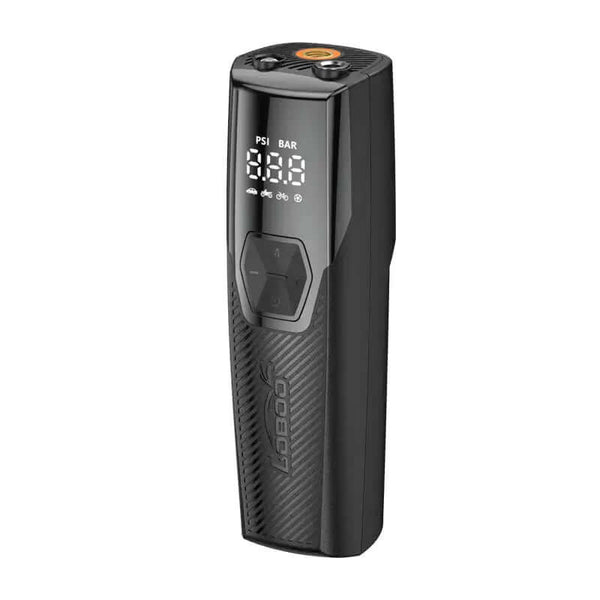
On long trips, a reliable intercom and stable charging are details that prevent wasted time. The first helps when riding in pairs or groups and when managing detours quickly. The second prevents you from reaching the end of the day with a dead phone, GPS, or action camera precisely when you need it.
Minimum equipment to always keep on the bike
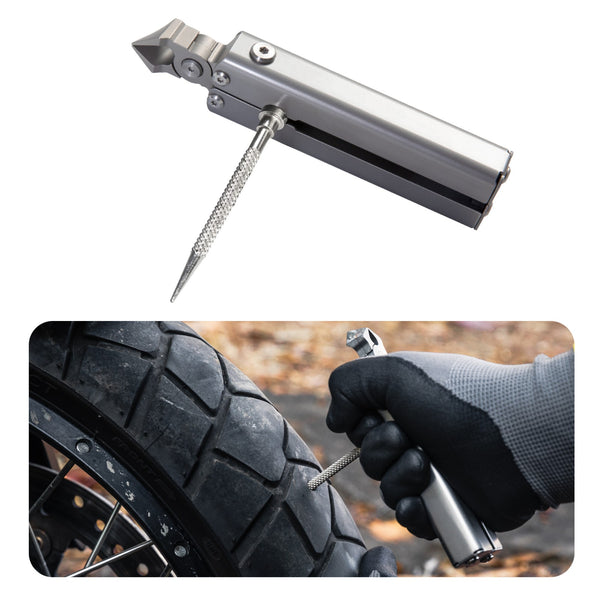
A true KTM Adventure accessories guide cannot stop at installed components. You also need to consider what you always carry with you. A tire repair kit, essential tools, and sensible range management are just as much part of preparing the bike as a skid plate.
Here, a simple rule applies: a few tools you know how to use are better than a bag full of tools chosen out of anxiety. On a KTM Adventure traveling far from populated areas, the difference is made by the items that let you solve the likely breakdown, not every possible breakdown.
How to choose without installing unnecessary accessories
The best approach is to build the bike around your most frequent trip, not the most extreme one you might take once. If you use the KTM for weekend rides with off-road sections 70 percent of the time, prioritize well-designed protection, lightweight luggage, ergonomics, and clean navigation. If you take weeks-long trips with lots of asphalt and a constant load, the logic changes, and carrying capacity, riding comfort, and electrical management become more important.
A well-made selection does not fill your bike with accessories. It makes it more predictable, easier to manage, and less fragile when the plan changes. This is the criterion that really matters even when you are looking for products in a technical catalog such as Endurrad: not how much you add, but how well each piece stands up to the way you travel.
The KTM Adventure performs at its best when it stays true to its character. Preparing it properly means helping it cover ground, not transforming it into something that is too heavy, sticks out too far, or is too complicated. If an accessory does not help you ride better, load better, or get home with fewer problems, you can probably leave it where it is.