

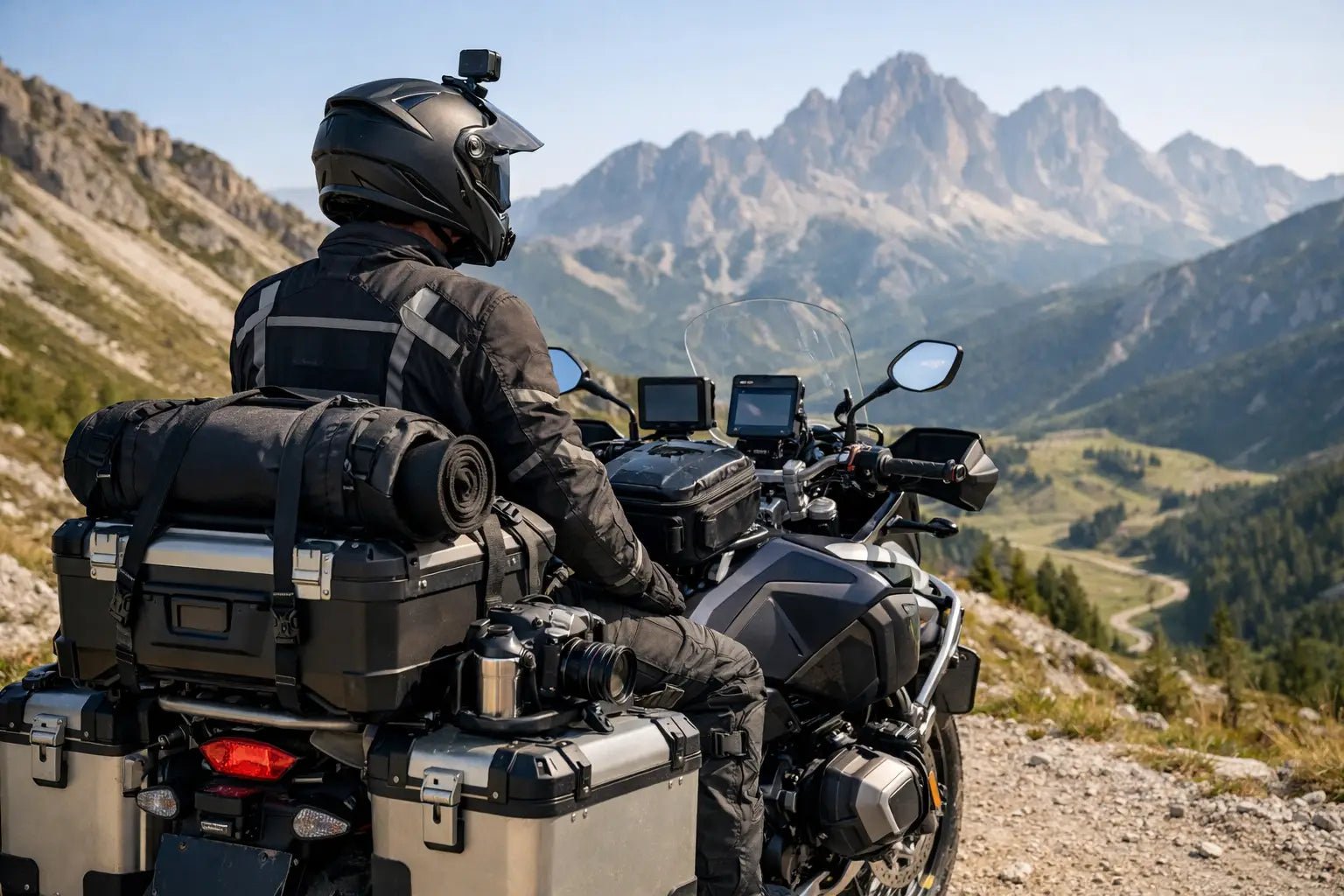
You set off at dawn, the bike loaded, a long road ahead, and one question more important than many others: what accessories do you really need for a motorcycle trip? Not the showroom kind, but the ones that make a difference when you're racking up miles, facing rain, heat, light gravel, or an entire day in the saddle. The answer isn't an endless list. It's a technical choice: install only what increases safety, load capacity, comfort, and autonomy, based on your bike and the type of trip.
A common mistake is buying accessories by thinking about the individual product instead of the bike-rider-luggage system. On a BMW GS, a KTM Adventure, a Honda Africa Twin, or a Yamaha Ténéré, every component works together with the others. A larger pannier changes the weight distribution. A different windshield modifies aerodynamic protection. A poorly positioned navigation mount worsens road visibility. Preparing your bike well means finding balance, not adding random parts.
What accessories do you need for a motorcycle trip: the real priorities
If your trip is on-road, mixed terrain, or adventure touring, the first four accessories to consider are luggage, protection, navigation, and comfort. Everything else comes after.
Luggage is the starting point because it determines what you can carry and how the bike handles. Protection comes right after because a fall at a standstill or low speed can compromise the trip much more than you might think. Navigation affects riding fluidity, especially when alternating between asphalt, secondary roads, and detours. Finally, comfort is not a luxury: over long distances, it reduces fatigue, mistakes, and physical stress.
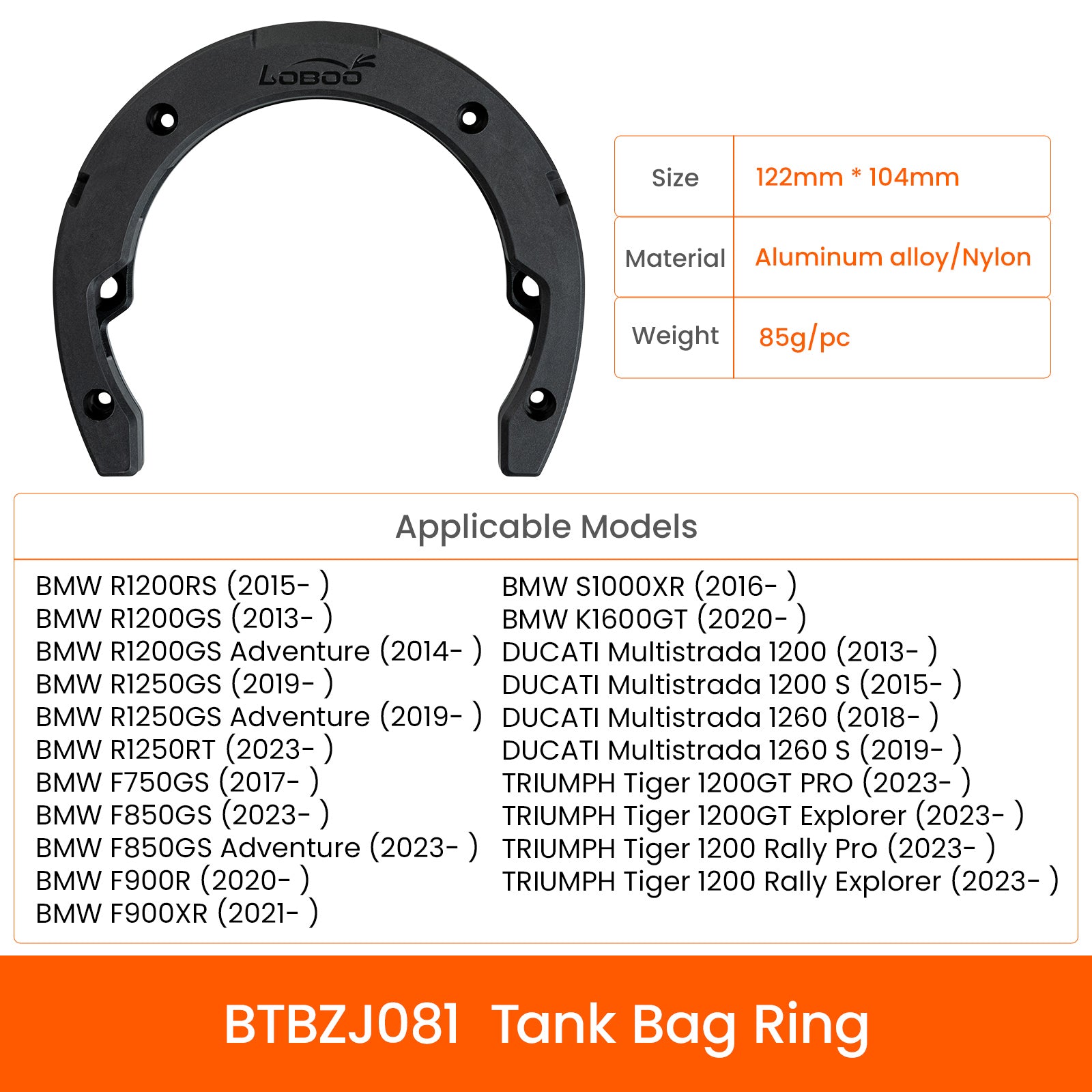
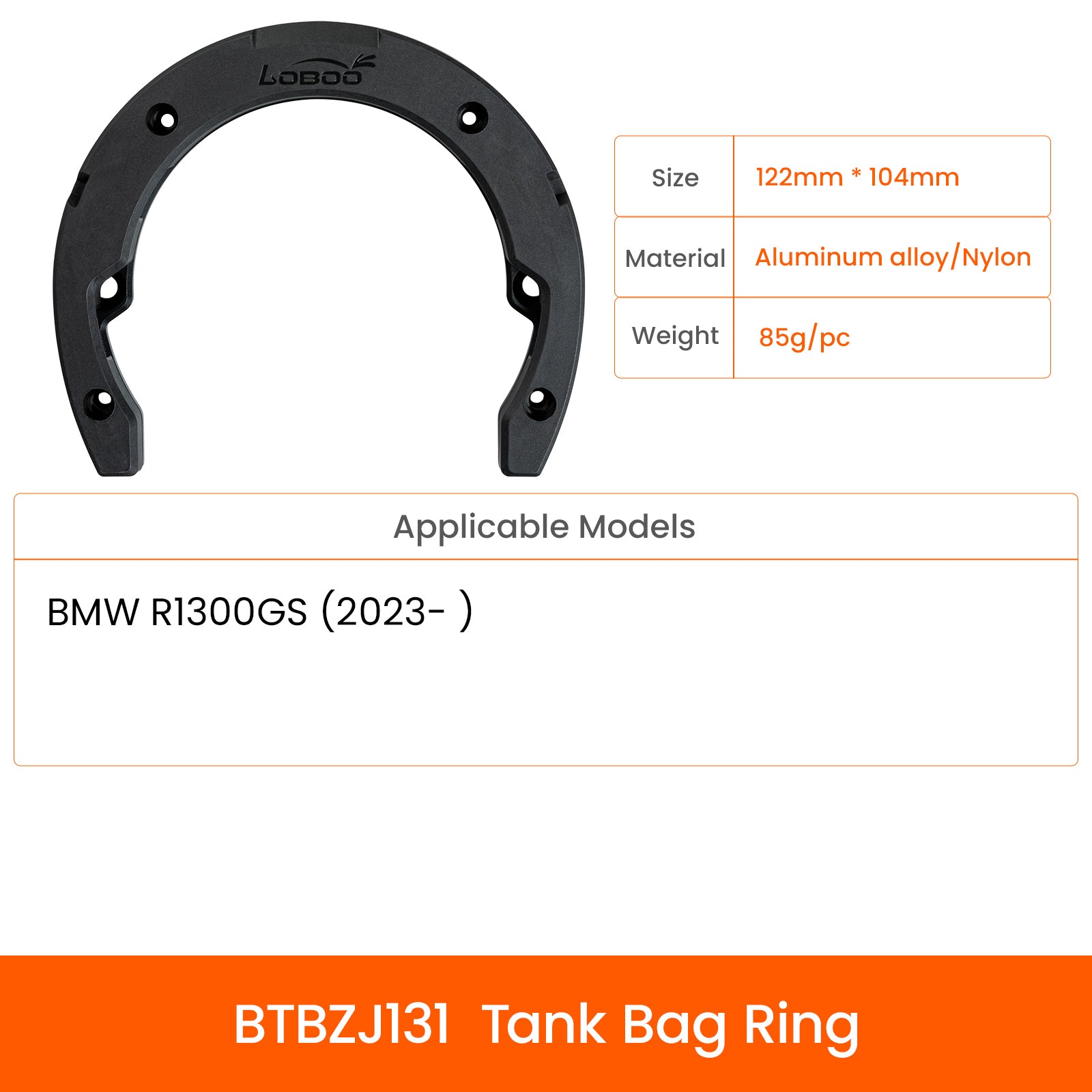
Those who travel for days tend to underestimate another aspect: mounting reliability. A valid accessory that is not very compatible with the motorcycle model or with improvised brackets is often worse than not having it. This is why specific compatibility is as important as the product itself.
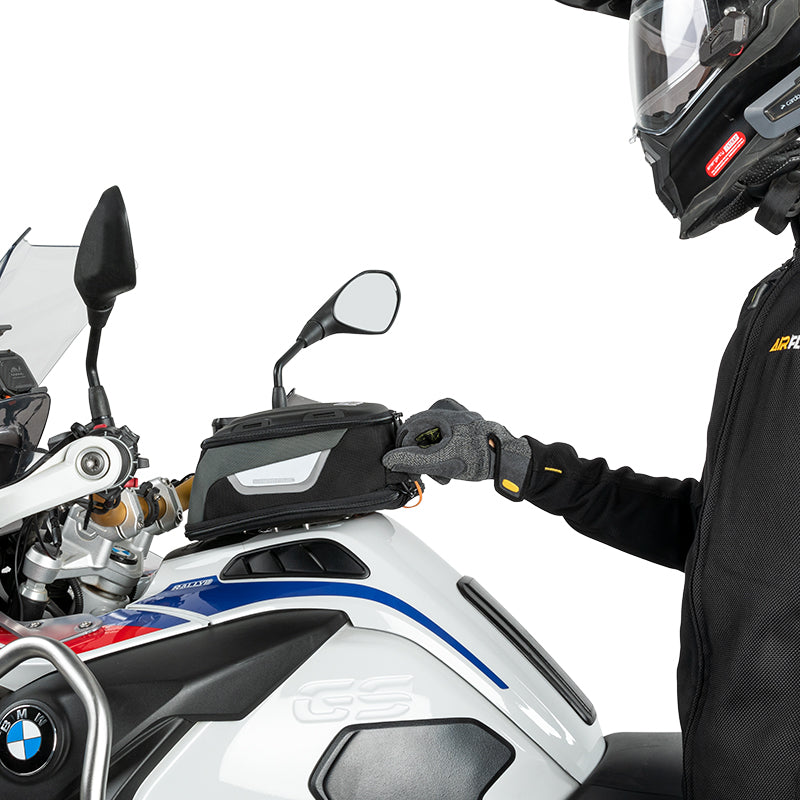
Luggage: panniers, top cases, or semi-rigid bags?
When asking what accessories are needed for a motorcycle trip, the first concrete issue is cargo. There is no universal answer here, as it depends on the route and how much off-road you anticipate.
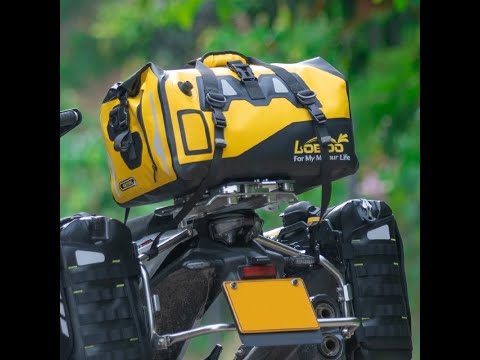
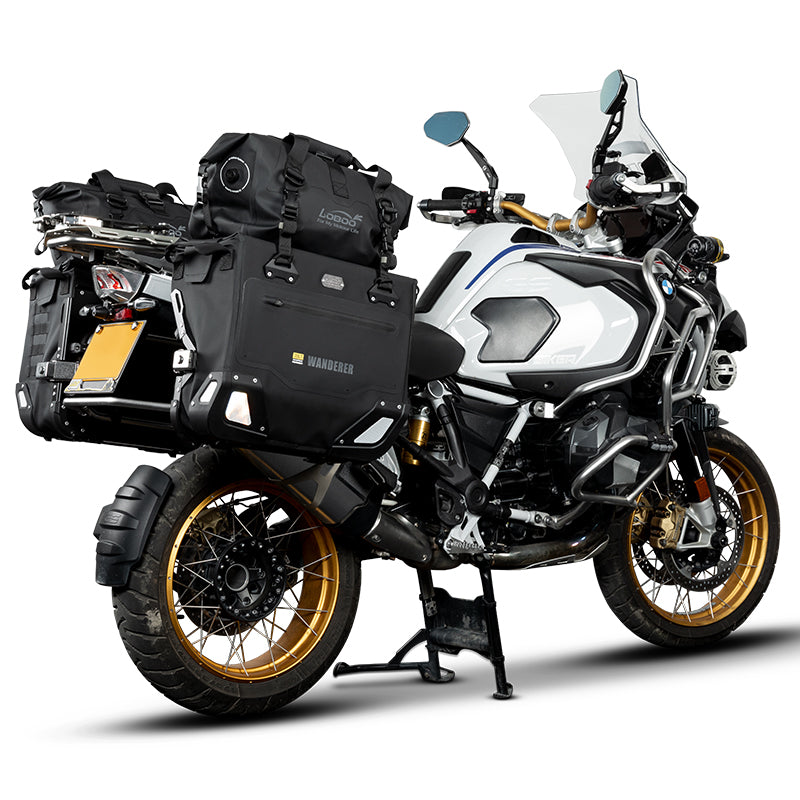
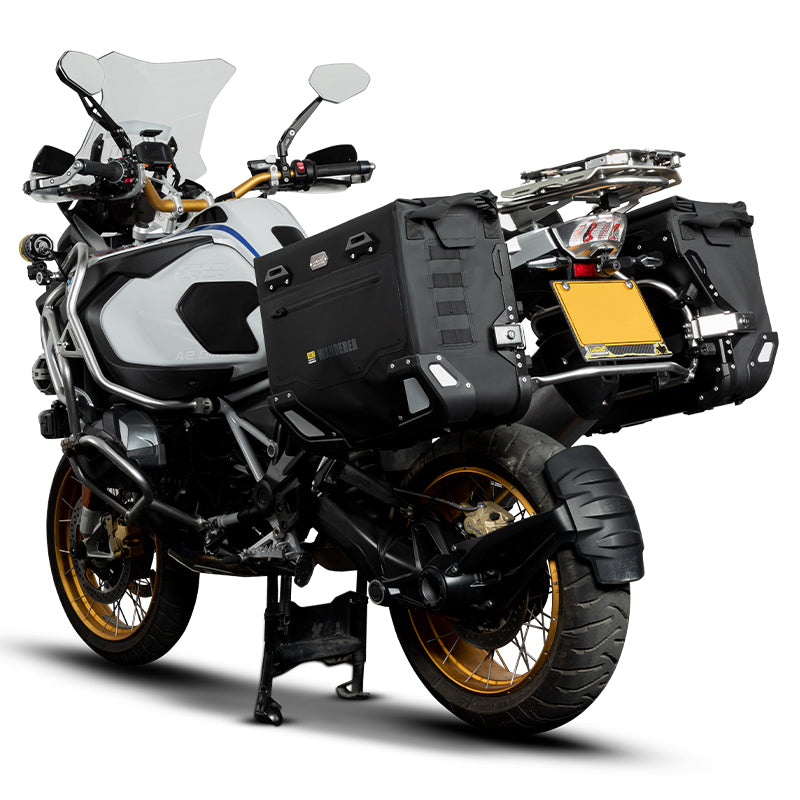
Aluminum panniers remain a solid choice for long-distance touring. They offer structure, content protection, and ease of organization, especially if you're traveling with technical equipment, tools, electronics, or clothing for variable climates. They are very suitable for adventure bikes and maxi-enduros designed to cover many miles with significant loads. On the other hand, they add weight and bulk, and in narrower sections or off-road, they become less tolerant to impacts.
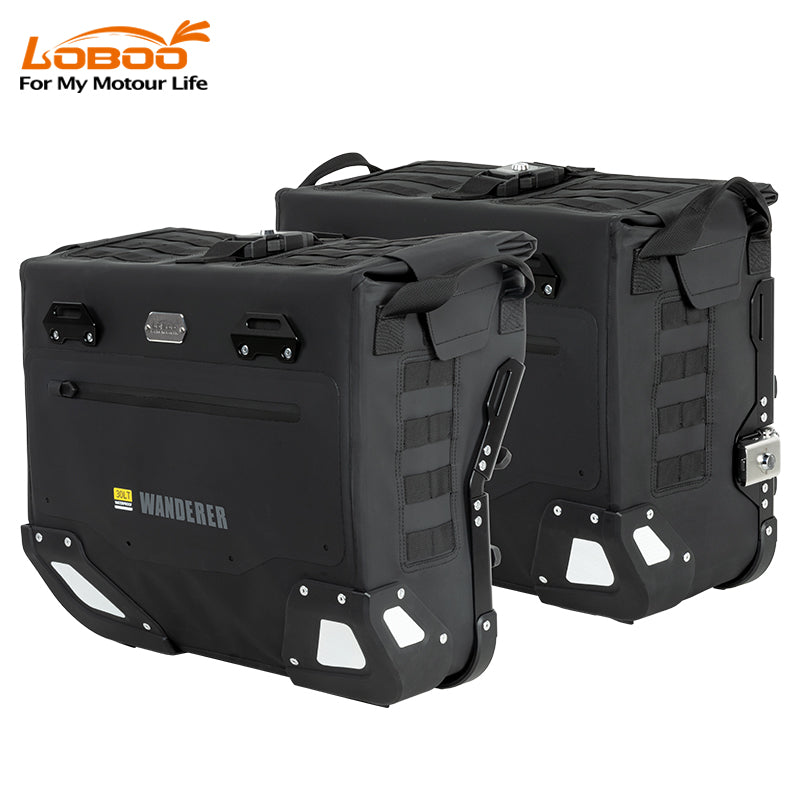
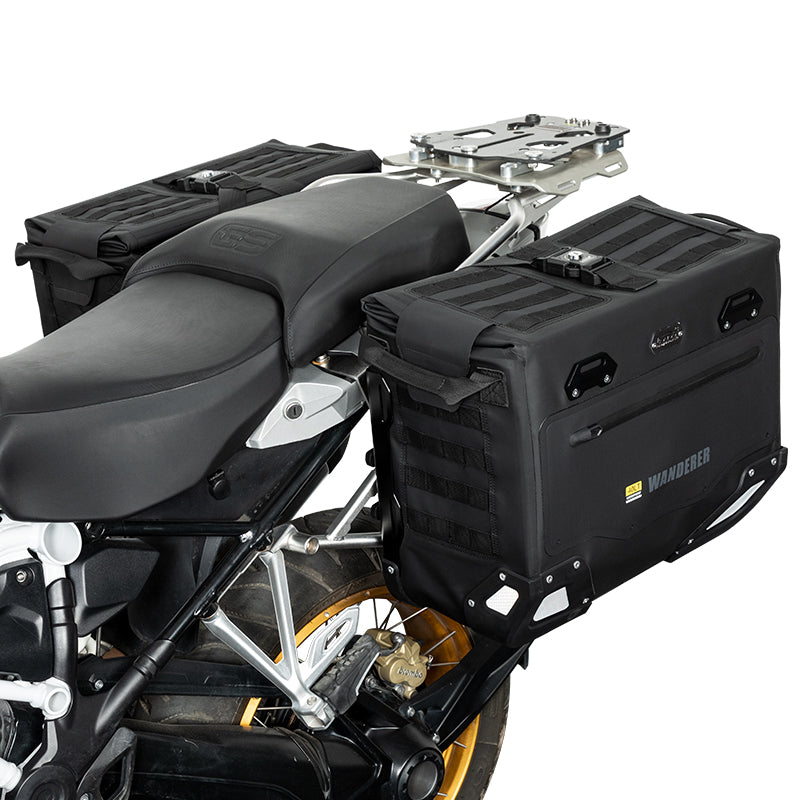
Semi-rigid bags make sense if you want to contain mass and width without sacrificing resistance. They are particularly interesting on mixed routes, where the bike needs to remain more agile. They often handle vibrations, mud, and intensive use well, but the quality of the fastening and structure makes all the difference. With this type of accessory, it's not advisable to be approximate.
A top case is useful, but it needs to be evaluated carefully. For daily use and road trips, it's convenient, especially for a helmet, quick-grab items, and short transfers. However, it shifts weight high and backward. If loaded incorrectly, it can worsen the bike's balance and rear-end sensitivity. It's better to consider it a complement, not the core of the luggage system.
A good configuration comes from weight distribution: heavy objects low and close to the bike's center, lighter ones higher up. It seems trivial, but it changes much more than a few extra liters of capacity.
The pannier rack is as important as the pannier
Often only the container is looked at, but the pannier rack is a structural part of the trip. It must be designed for the specific model, withstand vibrations and real loads, and maintain stability even on uneven surfaces. A good fastening system prevents play, noise, and unnecessary stress on the rear subframe.
Protection: what gets you back on the road
If you're really traveling, protection is not a secondary accessory. It's the difference between picking up your bike and continuing, or stopping due to avoidable damage.
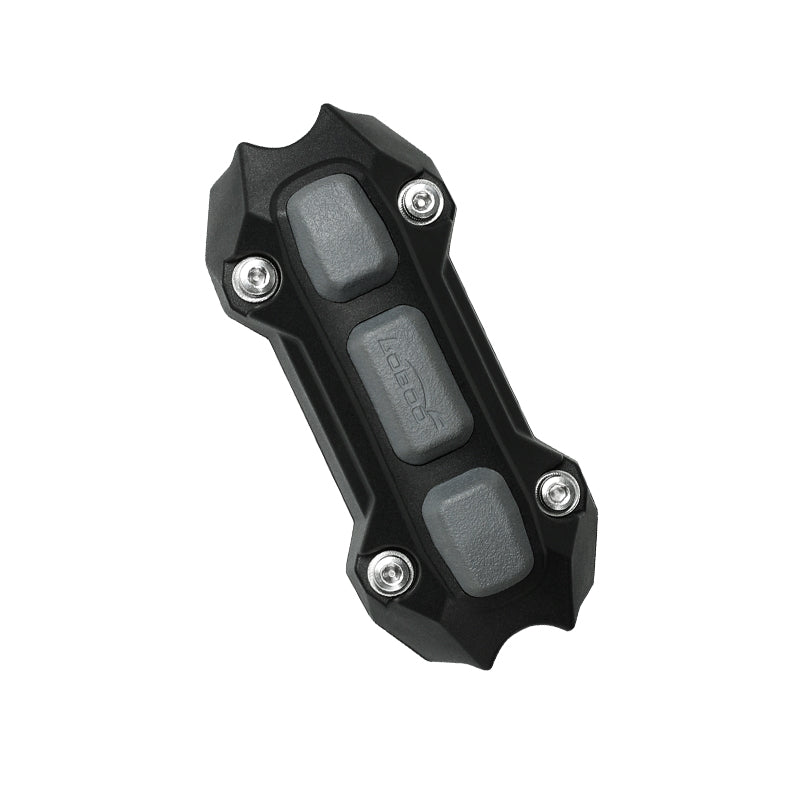
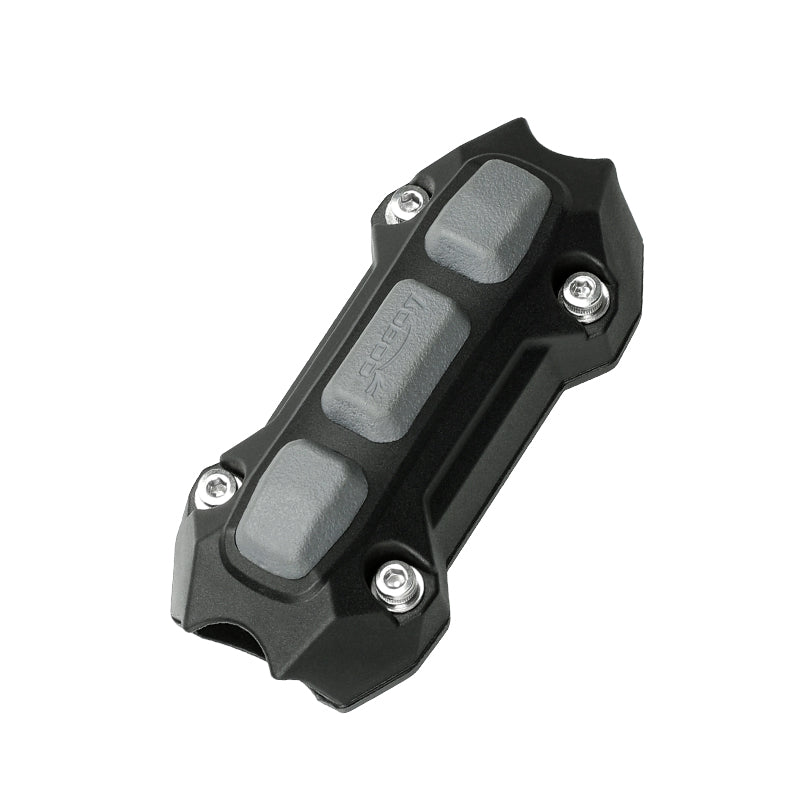
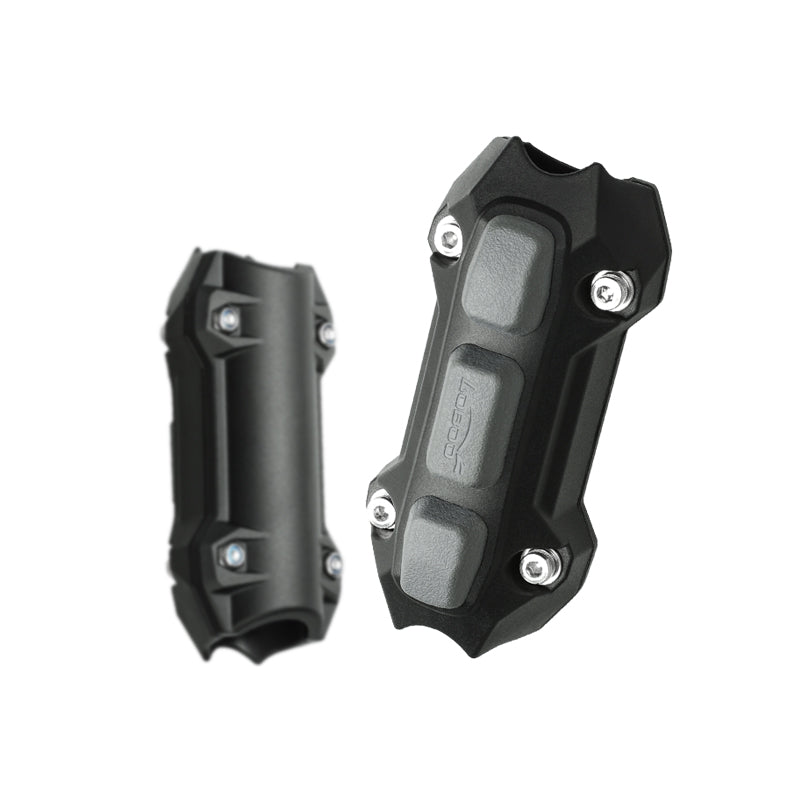
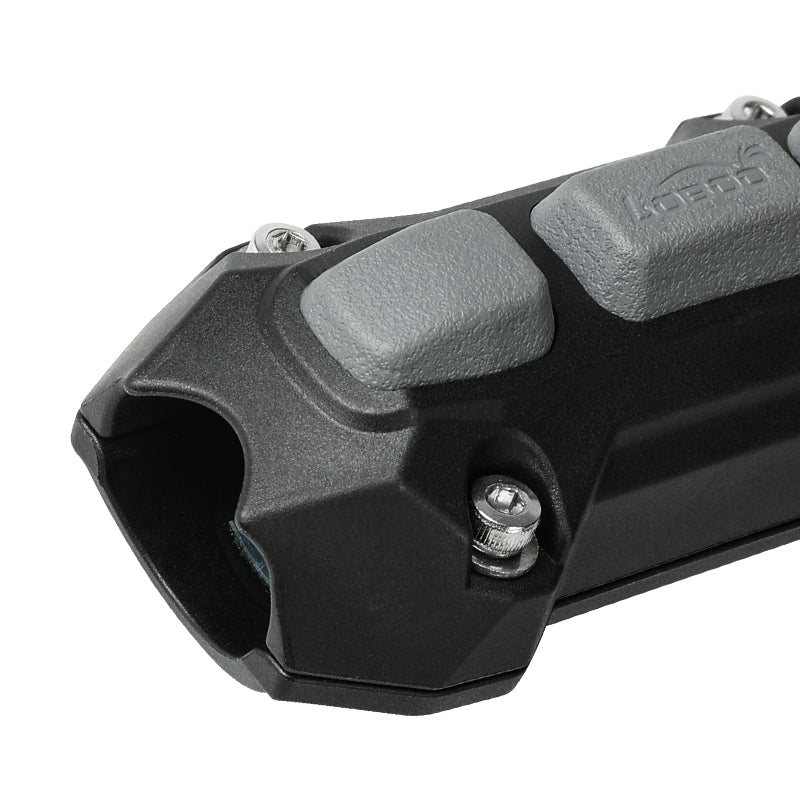
Engine guards are among the first components to install, especially on adventure and touring bikes with significant mass. They serve to protect fairings, the fuel tank, and exposed areas in falls at a standstill or low speed. Not all of them work the same way: geometry, anchor points, and force distribution vary greatly from one kit to another.
The skid plate is equally important if you anticipate gravel, broken roads, or sections where the ground can hit the bottom of the engine. Here, thickness, effective coverage, and attachment quality matter. A minimalist skid plate might seem sufficient until you encounter an out-of-line rock.
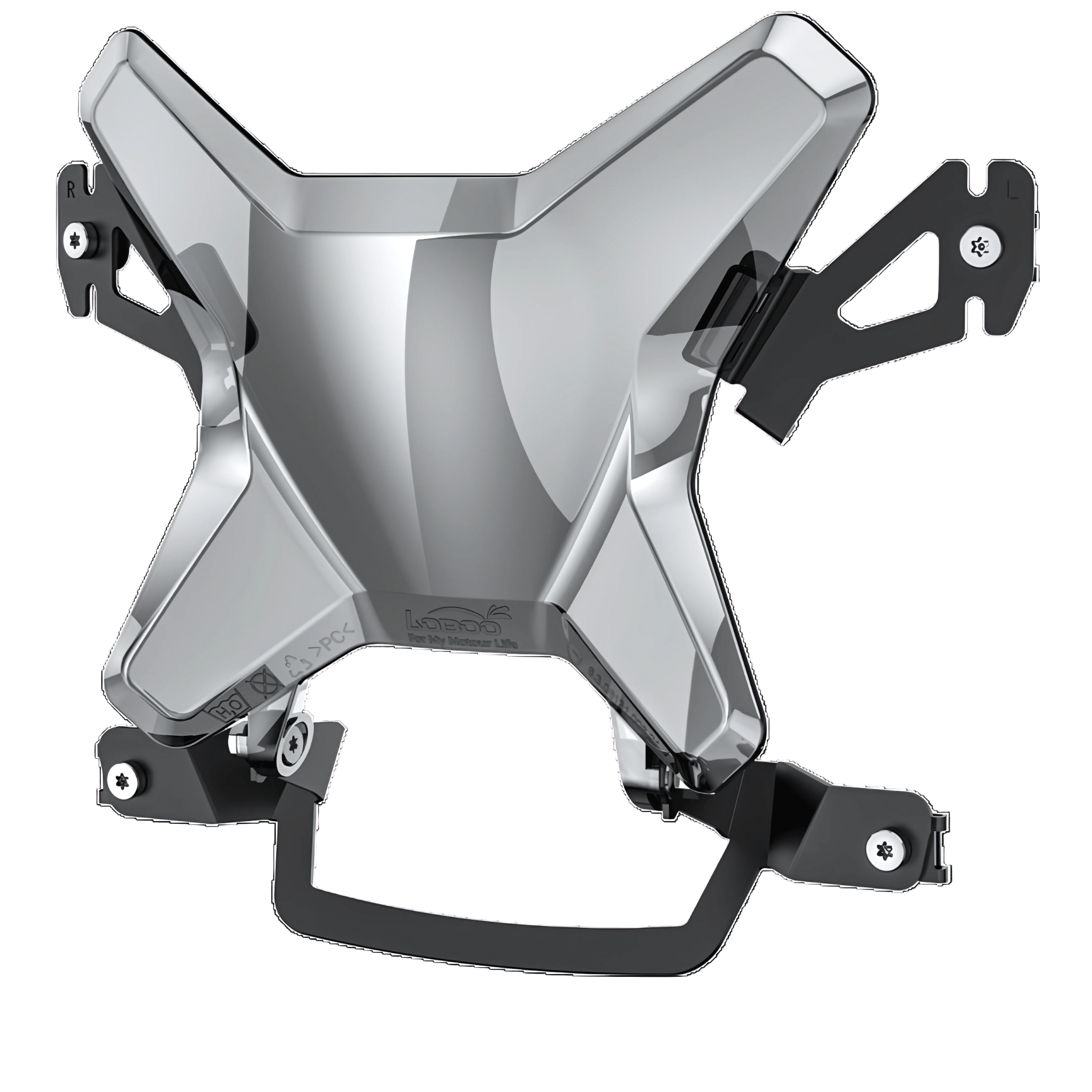
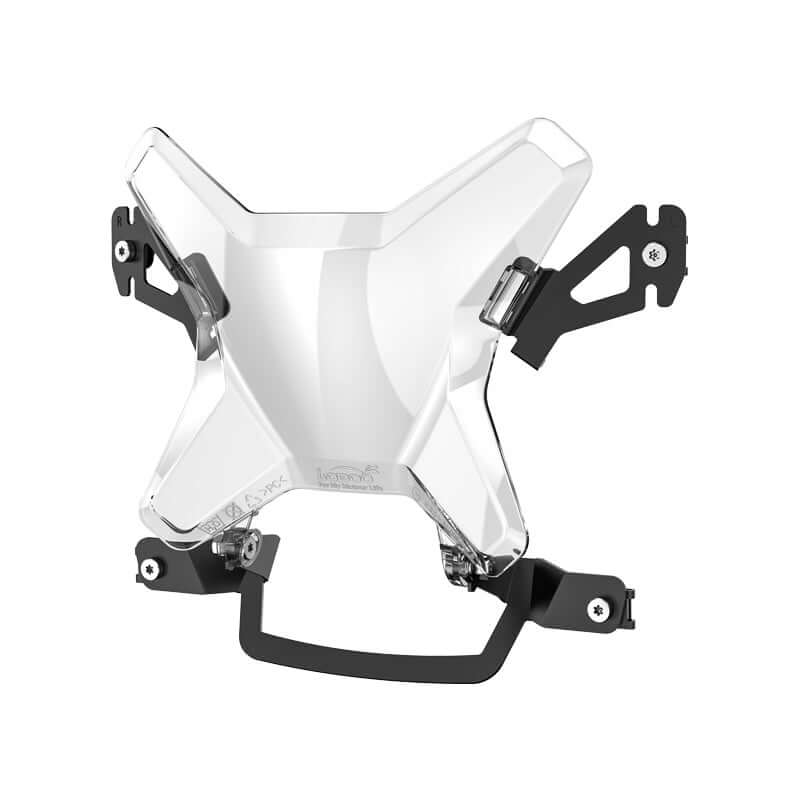
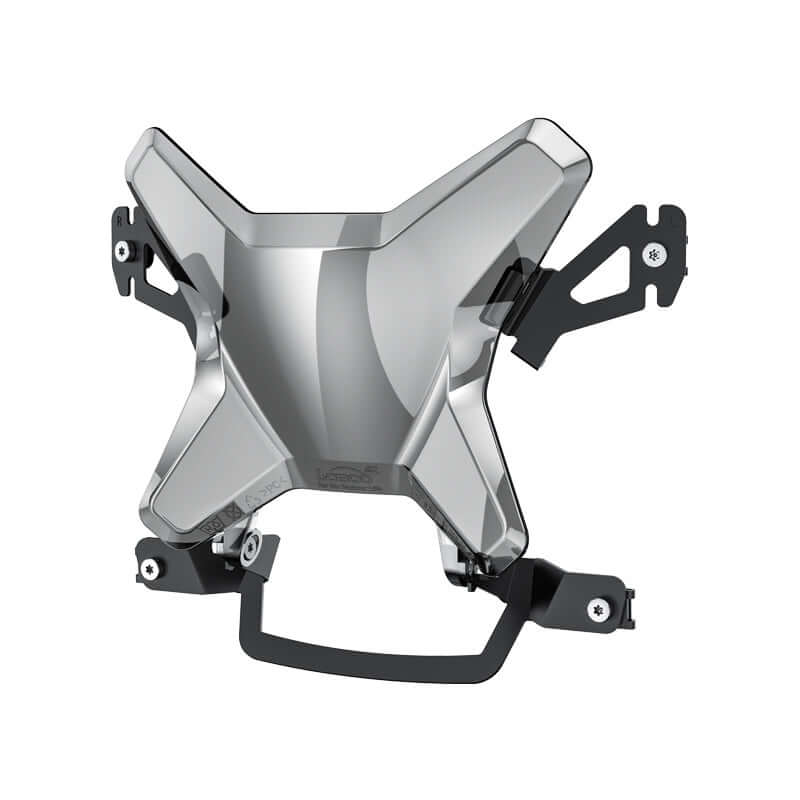
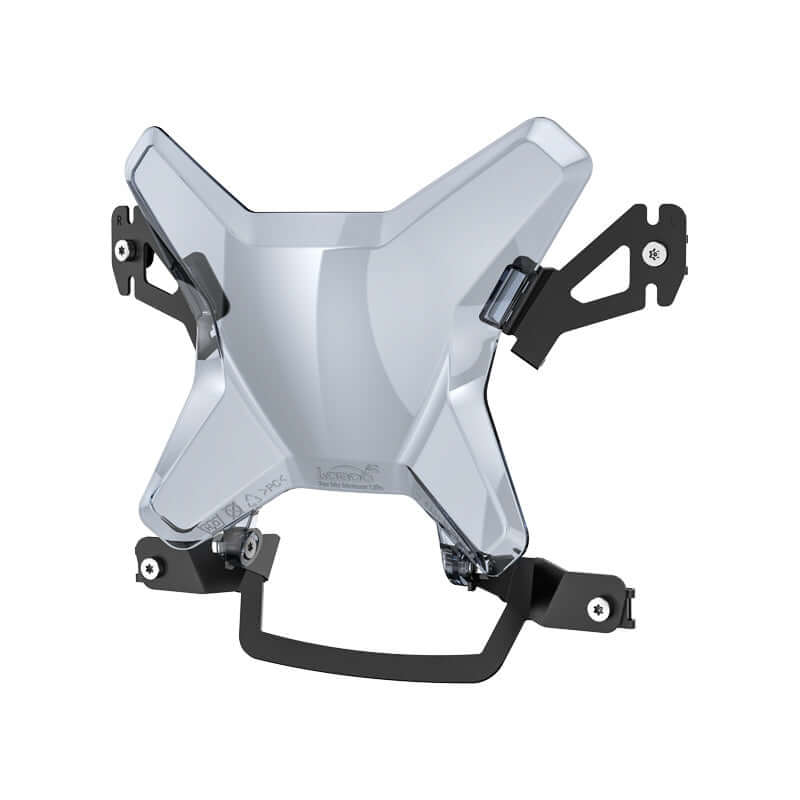
Handguards, radiator guards, headlight guards, and exposed component protectors also make sense, but only if consistent with the use. If you mostly do asphalt touring, you can prioritize engine and luggage. If you face technical sections or long transfers on mixed surfaces, protecting sensitive points becomes much more relevant.
Navigation and mounts: see well, ride better
A well-prepared touring motorcycle must allow you to read information without having to look down too much. For this reason, GPS, dedicated mounts, and anti-vibration mounting systems are not minor details.
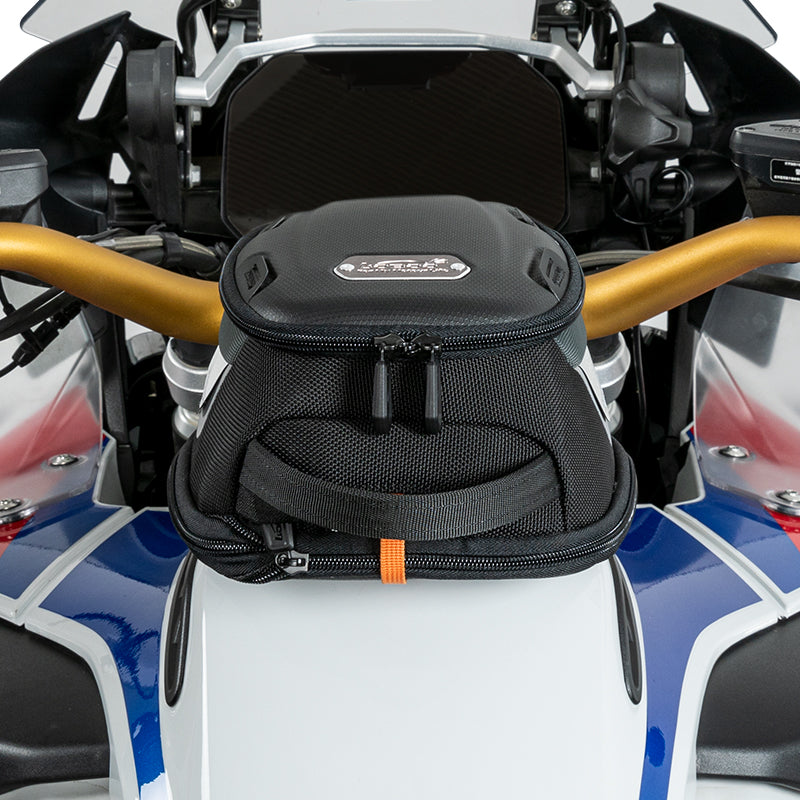
The navigator or smartphone must be placed in a stable, visible position compatible with the cockpit's ergonomics. On many adventure bikes, the position above the instrumentation is the most effective because it keeps the field of vision close to the road. The right mount not only holds the device still: it must withstand vibrations, bad weather, and prolonged use.
If you use your smartphone as a navigator, consider two often-overlooked aspects: continuous power and vibration protection. Some models suffer mechanical stress over time, especially on single and twin-cylinder bikes with pronounced vibrations. A well-designed system reduces the problem and makes the whole setup more reliable.
Additional lighting: when it's really needed
Auxiliary lights are useful if you travel at night, in isolated areas, or in variable weather. They improve active and passive visibility, but they must be chosen carefully. The beam, electrical absorption, brackets, and integration with the motorcycle must be correct. Mounting very powerful but poorly aimed lights does not improve safety; it worsens it.
Comfort: less fatigue, more clarity
In motorcycle touring, comfort is a technical element. A poor posture after six hours in the saddle becomes a riding problem, not just a well-being issue.
The windshield is one of the most underrated accessories. If the aerodynamic protection is incorrect, noise, turbulence, and cervical fatigue increase. However, there is no single right windshield. Rider height, helmet, seat, and riding position change the outcome. On some bikes, a spoiler is enough; on others, a more structured solution is needed.
Handlebar risers, larger footpegs, and comfort seats can also have a significant impact. The point is not to intervene without criteria. Raising the handlebars too much, for example, can improve standing riding but worsen seated riding. Wider footpegs increase control and support, especially in light off-road, but must be integrated with the overall posture.
Heated grips or heating systems are often considered seasonal accessories. In reality, on long trips, they increase riding precision when temperature and humidity drop. Less hand stiffness means more control, especially after many hours.
Autonomy and essential management
Among the accessories needed for a motorcycle trip is also everything that helps you to be autonomous without unnecessarily weighing down the bike. Here, you need to think in terms of scenarios.
If you travel in remote areas or do long stages, it may be useful to increase carrying capacity for tools, tire repair kits, small spare parts, and power management. If, however, the trip is mainly on-road, with frequent support points, it is better to focus on order, accessibility, and speed of use.
A good setup ensures that emergency items are easy to reach and that nothing requires dismantling half the bike on the side of the road. This applies to tools, compressors, tubeless kits or inner tubes, but also to charging cables, documents, and rain gear.
How to choose based on your bike
The same category of accessory can work perfectly on one bike and poorly on another. A BMW GS can handle long-distance configurations with significant loads but requires attention to bulk and center of gravity. A KTM Adventure leans towards lightweight and responsive solutions, especially if the trip includes real off-road. Africa Twin and Ténéré have specific needs in terms of protection, weight distribution, and riding posture.
For this reason, the correct criterion is not just to ask what accessories are needed for a motorcycle trip, but what accessories are needed on your bike, with your riding style, and for your itinerary. This is where model-specific selection truly makes a difference: it avoids incompatibilities, forced installations, and accessories that are theoretically valid but unsuitable for real-world use.
Better a few right accessories than an overloaded bike
A touring motorcycle shouldn't be full. It should be ready. Every accessory should serve a precise function: protect, transport, orient, improve riding. If it doesn't, it just adds weight, complexity, and potential problems.
The best approach is to build the bike gradually. First, the basic setup that truly changes the trip, then the more specific accessories based on real-world experience. It's also the smartest way to invest in premium components designed to last, as Endurrad does with a selection focused on real use, compatibility, and reliability.
The right preparation isn't visible in parking lot photos. You feel it after 500 kilometers, when you're still clear-headed, the bike is stable, and the next detour doesn't worry you at all.




Share:
When to change motorcycle touring battery
The 10 best-equipped motorcycles for travel in 2026