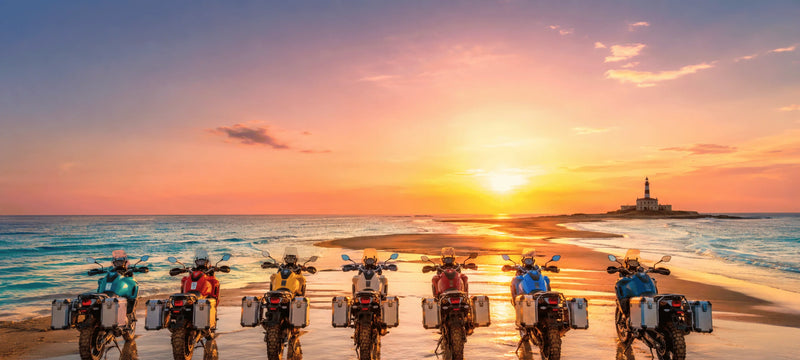
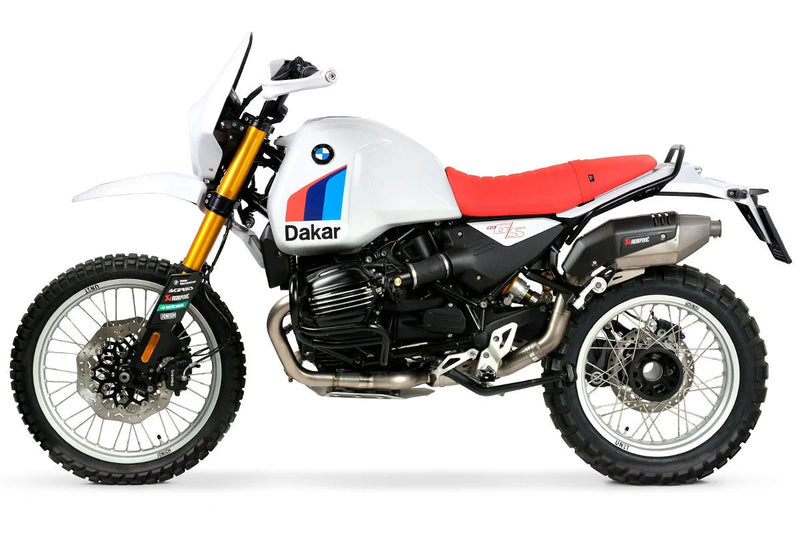
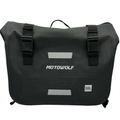
If you've already covered hundreds of kilometers on a loaded adventure bike for a long weekend or a proper trip, you know it well: the difference between an organized motorcycle and an uncomfortable one often comes down to the tank area. Tank bags for adventure motorcycles aren't just for adding space. They're for keeping what you really use while riding or when you stop—documents, power bank, light gloves, tolls, glasses, snacks, a compact water bottle, maps, or small navigation accessories—within easy reach.
The point is to choose the right one for your motorcycle and your travel style. A bag that's too tall can interfere when standing on dirt roads. One that's too long can limit steering or interfere with instruments. A poorly mounted universal solution can become unstable precisely when the terrain worsens. On an adventure bike, where ergonomics and freedom of movement matter more than on a pure road bike, these details are not secondary.
What adventure motorcycle tank bags really need to do
On a touring motorcycle, the tank bag has a specific role. It doesn't replace side panniers, and it shouldn't become the place where you stuff everything you don't know where else to put. It works well when it simplifies trip management, not when it creates clutter.
The right bag must allow you to quickly access useful items without getting off the bike every time. It must remain stable even on rough asphalt, light gravel, or fast tracks. It must also coexist with standing riding, with your torso leaning forward, and with full-lock handlebar movements.
For this reason, on adventure bikes, three factors matter more than others: profile, attachment, and base shape. Liter capacity is important, but it comes after. A well-designed 8 to 12-liter bag is often more effective than a larger model that is less suitable for the bike.
Capacity and bulk: the right compromise
The first question isn't how many liters you want, but what you want to keep inside. If you use the tank bag for small, frequently accessed items, a compact capacity is almost always the best choice. It keeps the perceived center of gravity low, allows more freedom of movement, and reduces the risk of obstruction during slow maneuvers.
If, however, you're long-distance touring and want to keep a mirrorless camera, a water bottle, batteries, documents, light rain gear, and electronic accessories in the front, then increasing the volume makes sense. But on many BMW GS, KTM Adventure, Africa Twin, or Ténéré bikes, the critical point remains the same: the more the bag grows in height and length, the more you need to check real compatibility with the seat, handlebars, and riding position.
An expandable bag might seem like the ideal solution, but it needs careful evaluation. When closed, it's convenient. When open, especially on light to medium off-road, it can significantly change the perception in front of your torso. If your use is mixed, it's better to have a bag that works well in its standard configuration rather than a huge model always used halfway.
Attachment: straps or ring system
There's no one-size-fits-all answer here. There's the solution that's best suited to your bike and your use.
Bags with strap attachments are highly valued in the adventure world because they are versatile and often adapt well to different motorcycles, especially when the tank shape or superstructure makes it more complex to use a dedicated system. If mounted correctly, they are reliable even on uneven terrain. However, they require careful installation. If the straps are poorly positioned or tensioned incorrectly, stability worsens, and over time, wear and tear at contact points also increases.
The ring system, where available, offers great practicality in daily use. Quick attachment, easy removal for refueling, and no direct contact with the tank. It's very convenient for road and mixed touring. However, specific compatibility with the motorcycle model and the correct ring must always be verified. Furthermore, not all adventure geometries favor the same result in terms of inclination, height, and distance from the rider.
For those who alternate long transfers and standing sections on dirt, the real criterion is not just convenience at the gas station. It's the stability of the bag when the pace picks up and the terrain worsens.
Materials, waterproofing and real resistance
An adventure tank bag operates in an area exposed to everything: rain, mud, dust, sun, continuous rubbing, and vibrations. This is why materials matter more than just aesthetic finish.
High-resistance technical fabrics, with reinforcements in stress zones, are the foundation. Zippers must be reliable and easy to use even with touring gloves. Seams must hold up over time, especially if the bag is frequently loaded and removed. The bottom also deserves attention, as it's the part that absorbs contact, micro-movements, and dirt.
On the topic of waterproofing, it's best to be practical. A water-resistant bag is fine for general use and moderate rain. If you take long trips in variable conditions, a truly waterproof solution or a system with an effective and well-secured cover is better. The difference is noticeable after hours of continuous rain, not in the first ten minutes.
Cleanliness also matters. Fine dust, dry mud, and road grime accumulate quickly. A well-designed bag must be easy to maintain, without delicate components or surfaces that quickly get damaged.
Visibility, organization, and quick access
A good tank bag isn't just a container. It should help you find things quickly, even during a brief stop, in the cold, or in the rain.
External pockets are useful if they remain truly accessible and don't compromise the overall profile. Internal compartments make sense when they properly separate documents, electronics, and small items, preventing everything from ending up at the bottom. The smartphone or map window can be convenient, but it should be judged without automatic enthusiasm. If it creates reflections, worsens readability, or forces you to look up too much, it loses much of its advantage.
On an adventure bike, charging cable management is another practical detail. If you use navigation, intercom, and powered devices, you need a well-designed cable pass-through that's waterproof and easy to use. These are the small details that change the quality of the travel experience.
Compatibility with the motorcycle: everything is decided here
The same bag can work well on one motorcycle and much less so on another. The reason is simple: tank height, plastic width, seat position, handlebar travel, and the shape of the front area vary greatly between models.
On a GS, for example, the relationship between the bag and the seated position on long stretches can matter a lot. On a KTM Adventure or a Ténéré, freedom of movement when riding standing up and gripping the bike with your legs can become even more important. On an Africa Twin, depending on the configuration and accessories mounted, the management of the cockpit and the area around the instruments also changes.
For this reason, a correct choice always starts with real compatibility and not just the product category. A technical approach, based on the specific motorcycle model, avoids trivial but costly errors in terms of comfort and functionality. It's also the quickest way to find a solution that really works well with the setup you already have mounted.
When a tank bag is not the best choice
It's not always necessary. If you ride a lot off-road and want maximum freedom of movement at the front, you might prefer to keep the tank area completely clear and distribute the load elsewhere. Similarly, if you take essential daily rides and already have a setup with easily accessible pockets on your jacket or rear luggage, the bag might add more bulk than utility.
There's also the issue of rider height and personal ergonomics. A tall rider with a relaxed position can tolerate a larger bag well. A rider who often rides leaning forward, with frequent sit-to-stand transitions, will feel even a few centimeters of difference more acutely.
How to choose without making mistakes
The correct way to choose is to start with your primary use. If you tour on asphalt with dirt road detours, focus on ease of access, stability, and practicality for refueling. If your trip involves tracks, long transfers, and dynamic standing riding, prioritize a low profile, solid attachment, and freedom of movement.
Then evaluate your motorcycle in its real configuration: windshield, navigation mounts, bars, USB ports, seat height, handlebar risers. A bag that looks perfect on paper may be less convincing with the setup you actually use.
On https://endurrad.com, this approach is central: filtering by model and use helps avoid generic solutions and focuses on accessories designed for serious travel. It's the most useful criterion when looking for a premium product that not only fits on the bike but truly performs kilometer after kilometer.
The right tank bag doesn't change the character of your adventure. It makes it easier to manage. And when you have a long stretch ahead, rain coming, and constantly changing terrain, that's exactly the kind of accessory that makes a difference.