








Approved Electric Scooters | Guide and Models | Endurrad
Before comparing models: how to purchase — free delivery throughout Italy with our own vehicles, assembled vehicle, 24-month warranty and home assistance.
Electric Scooters
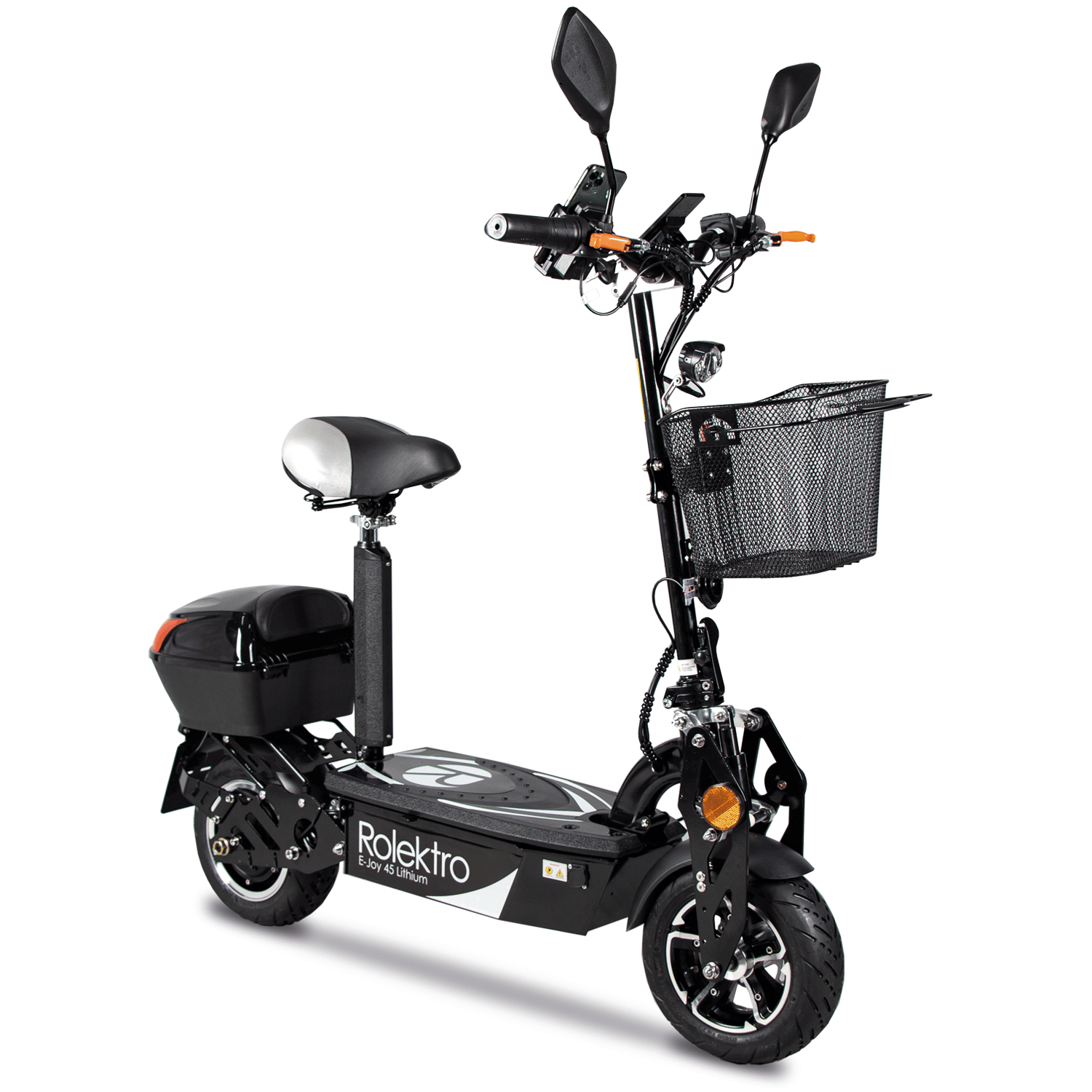
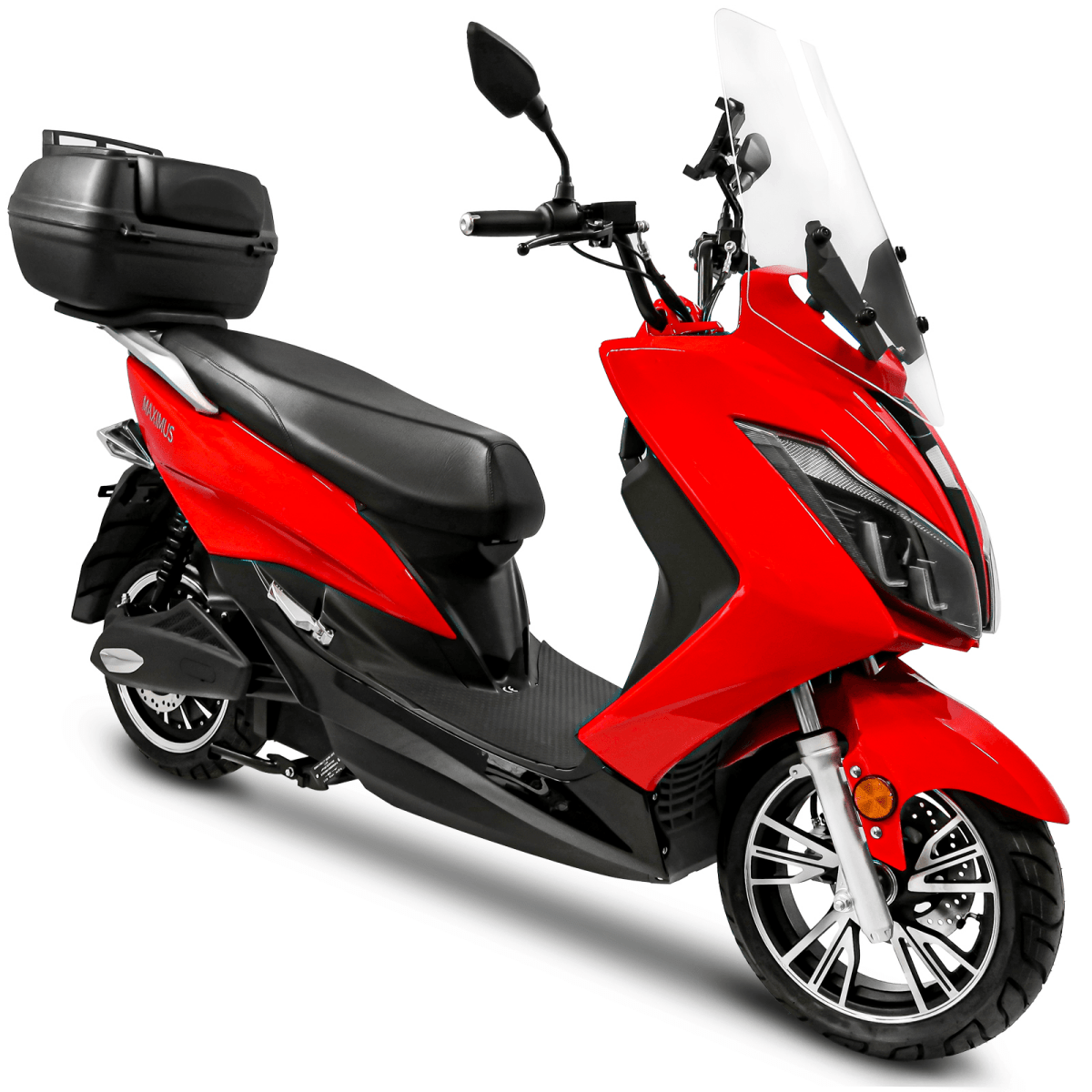
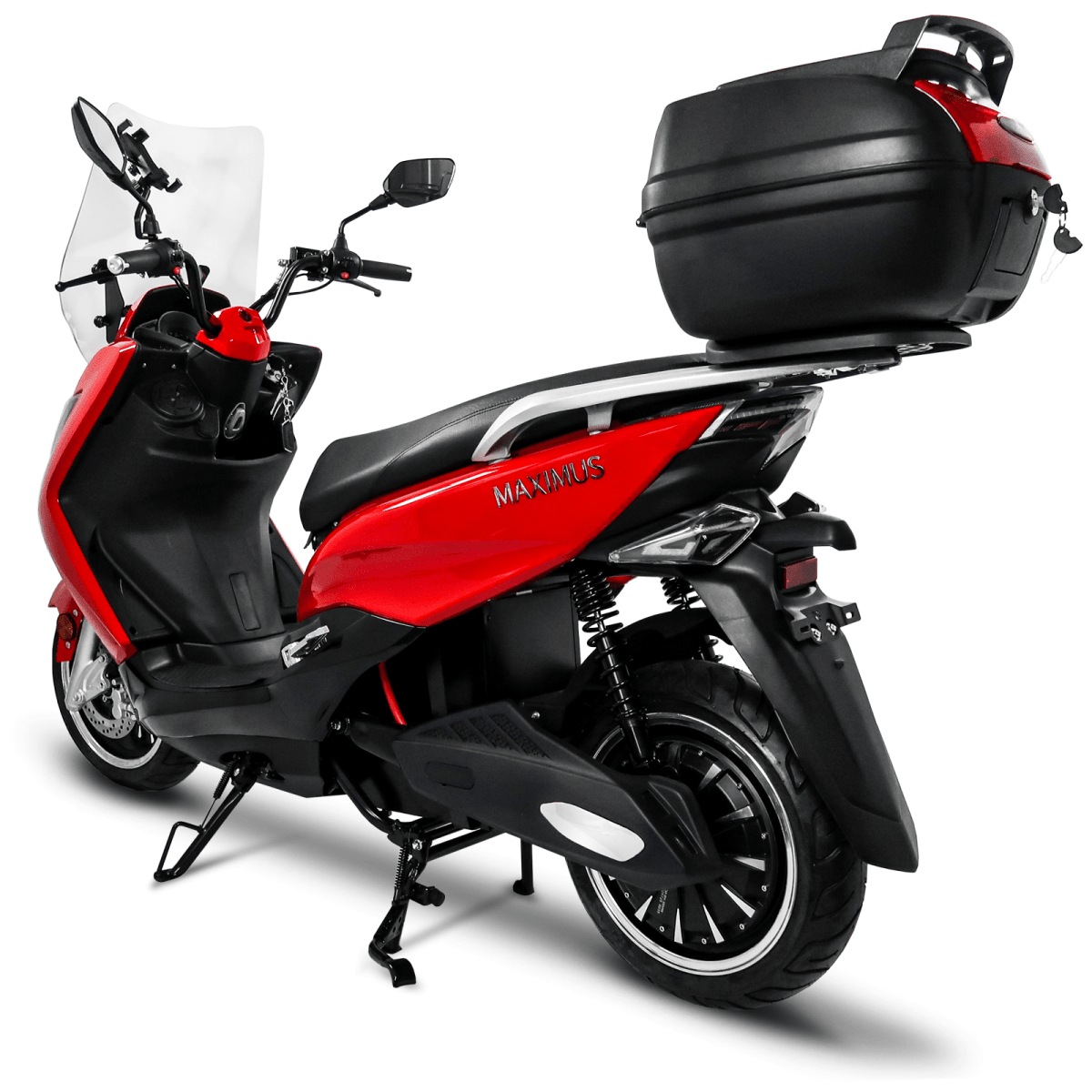
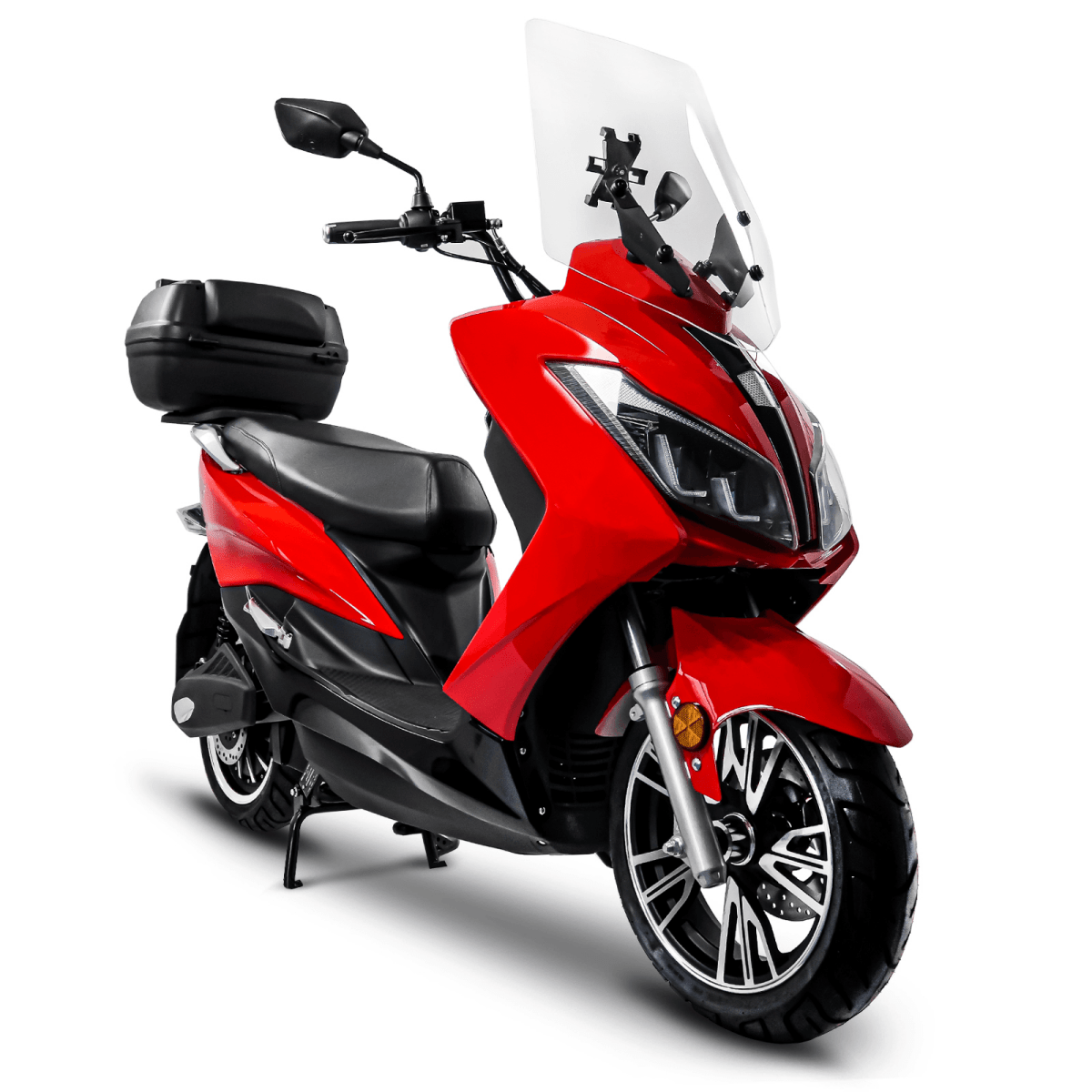
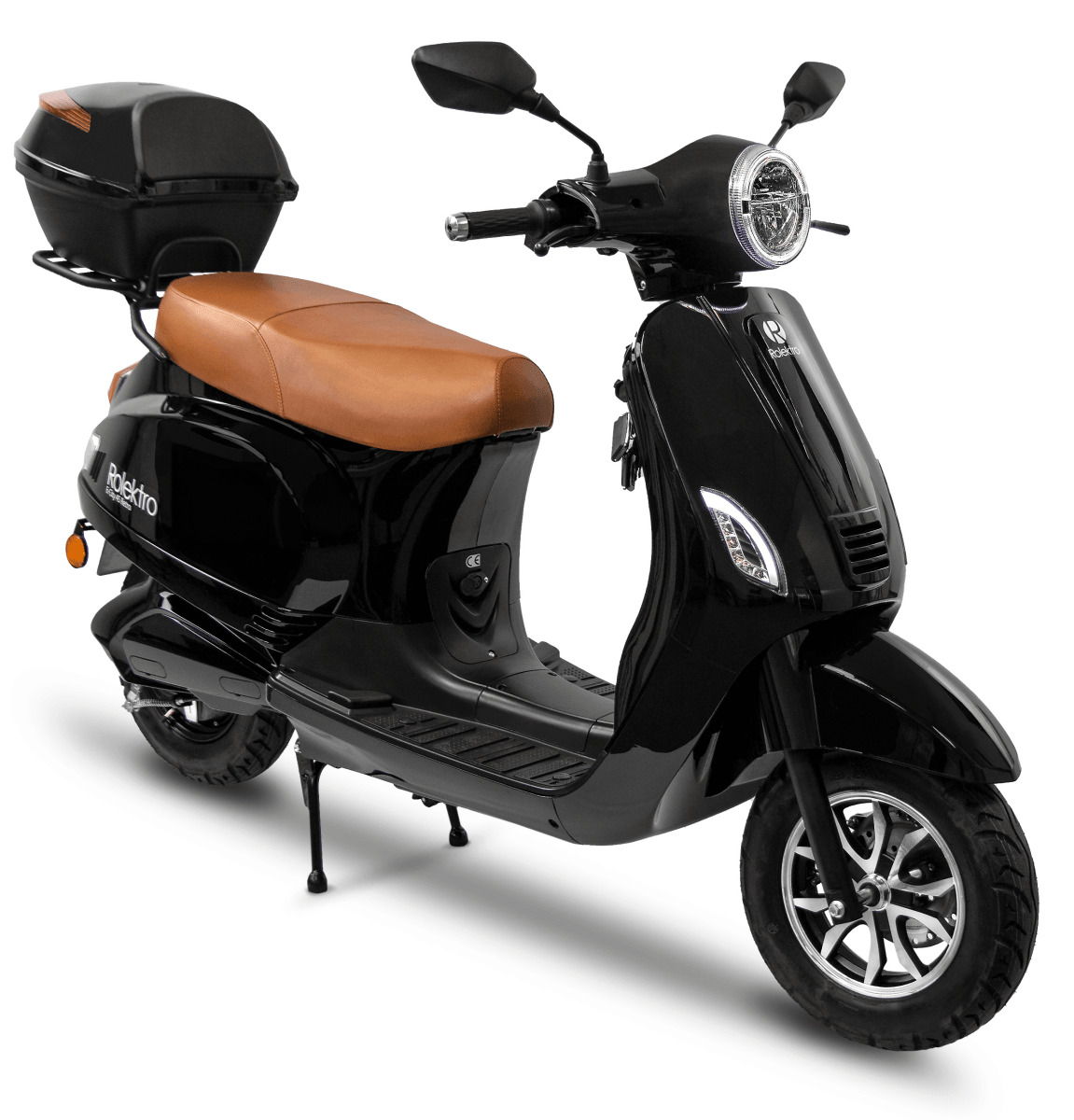
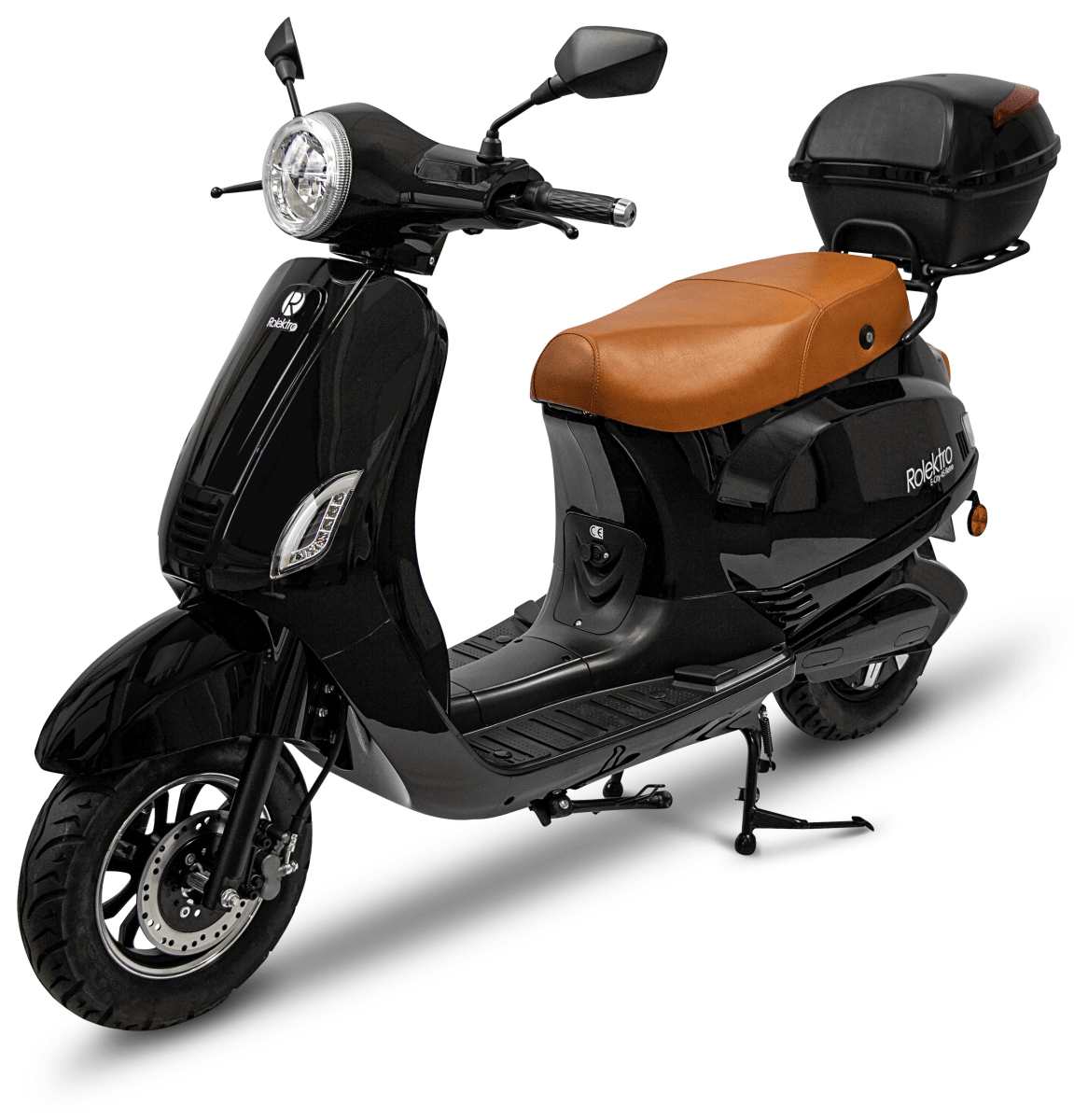
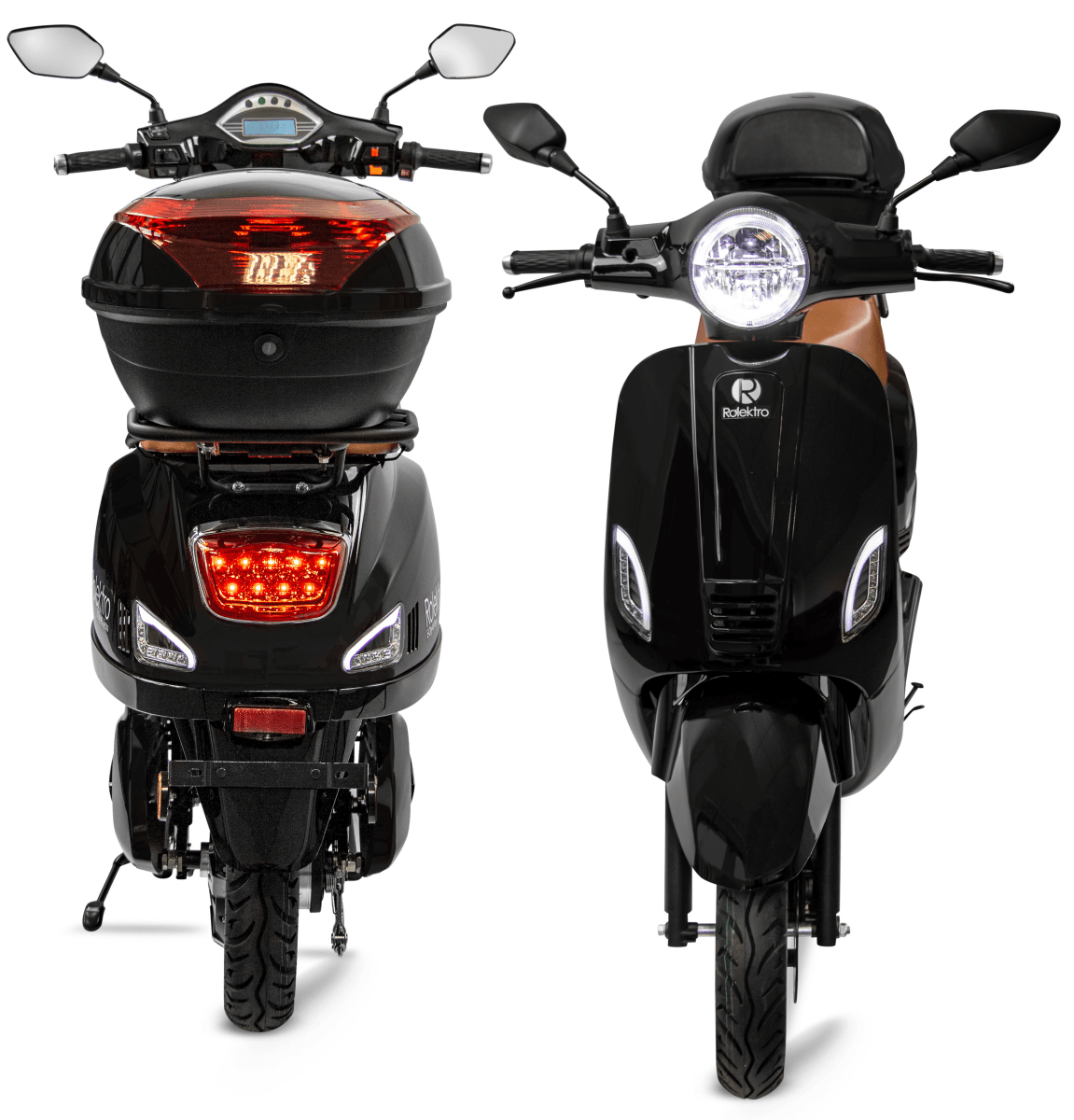
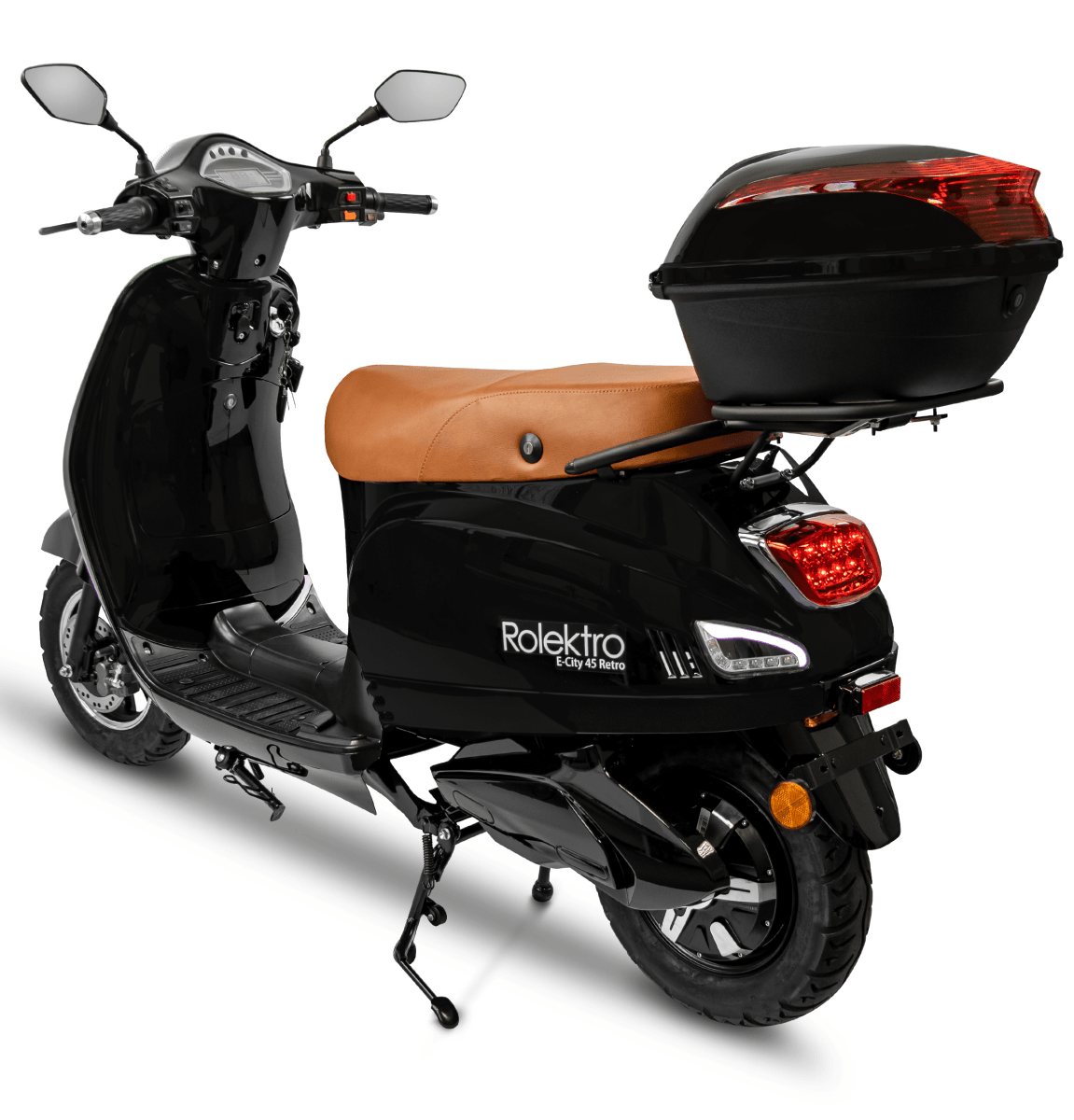
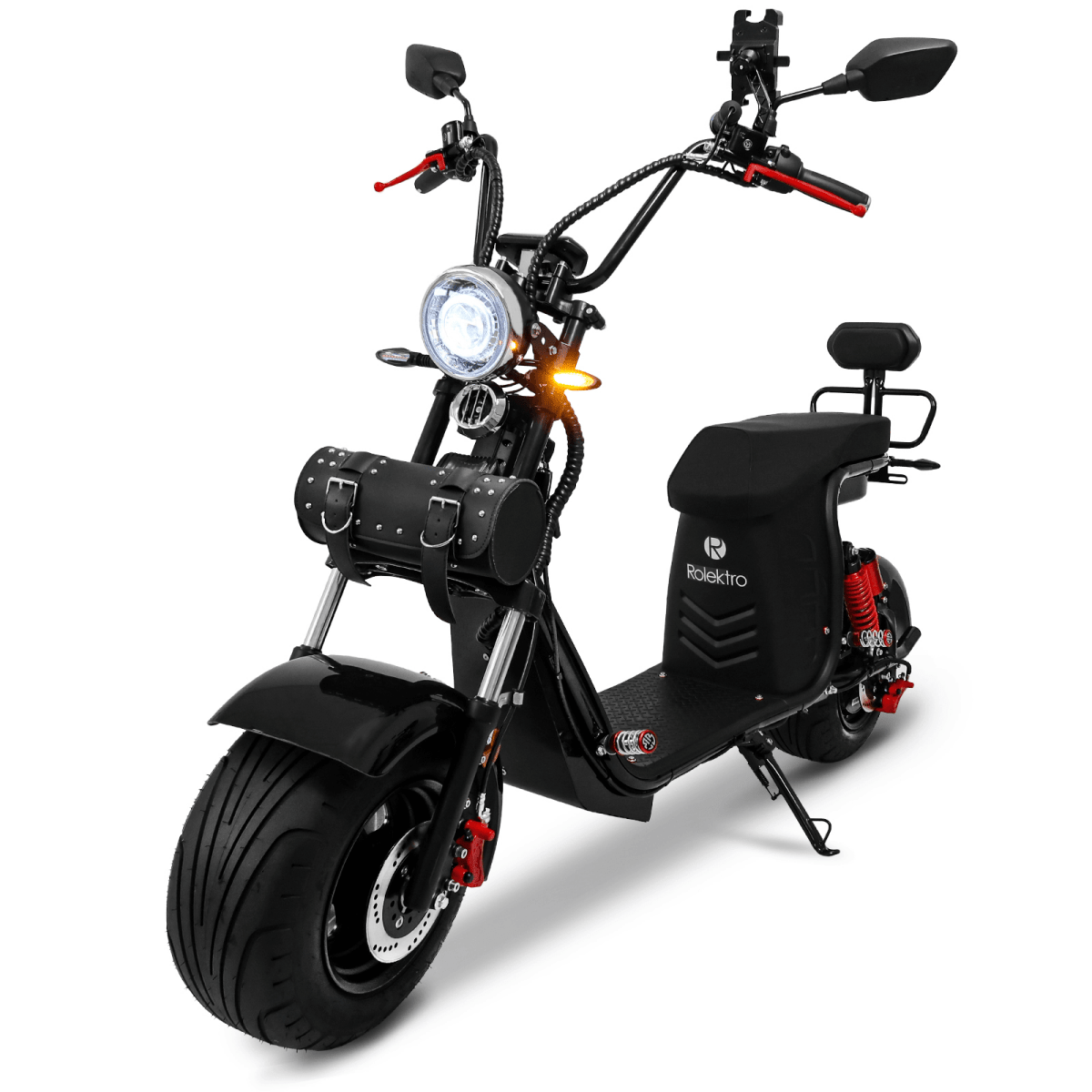
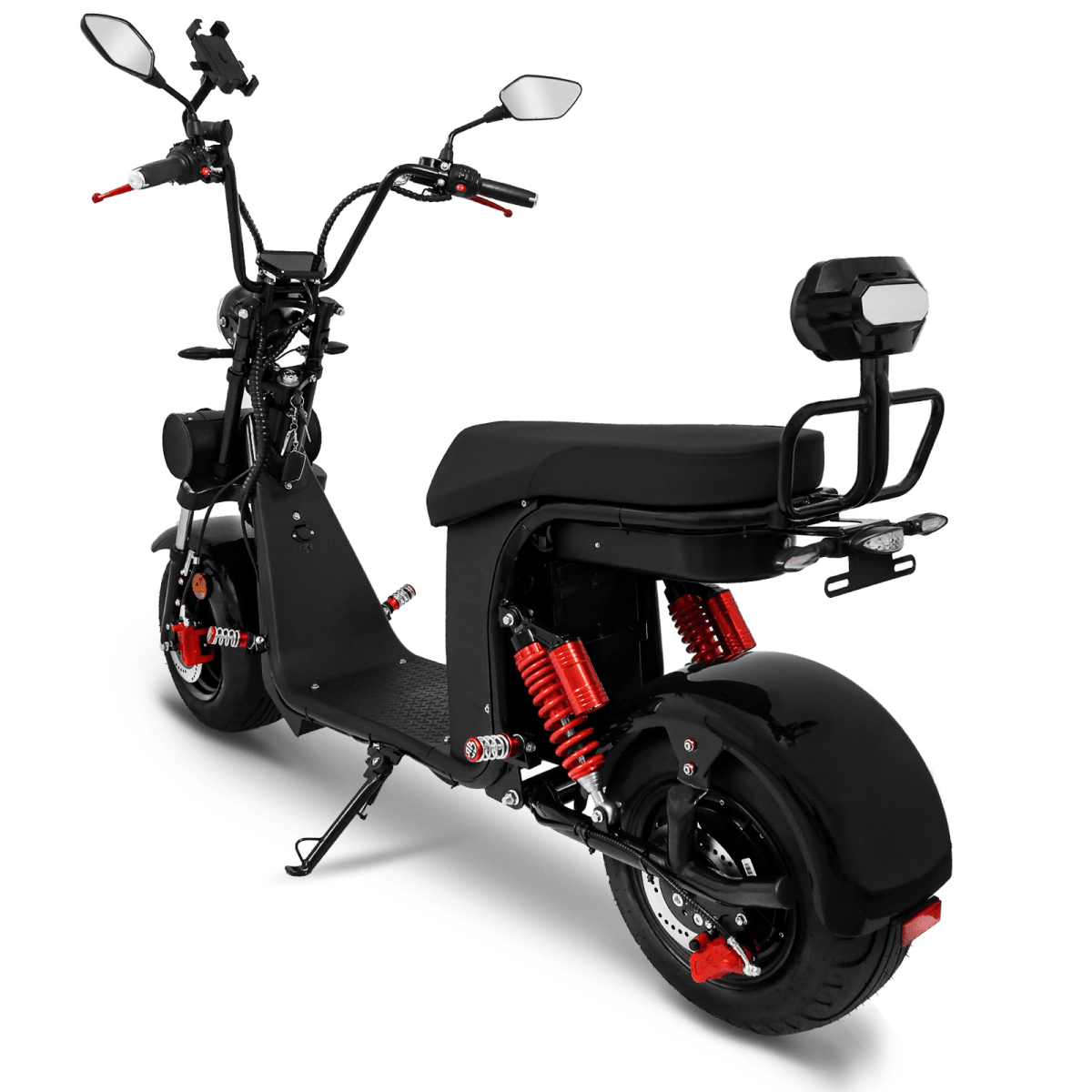
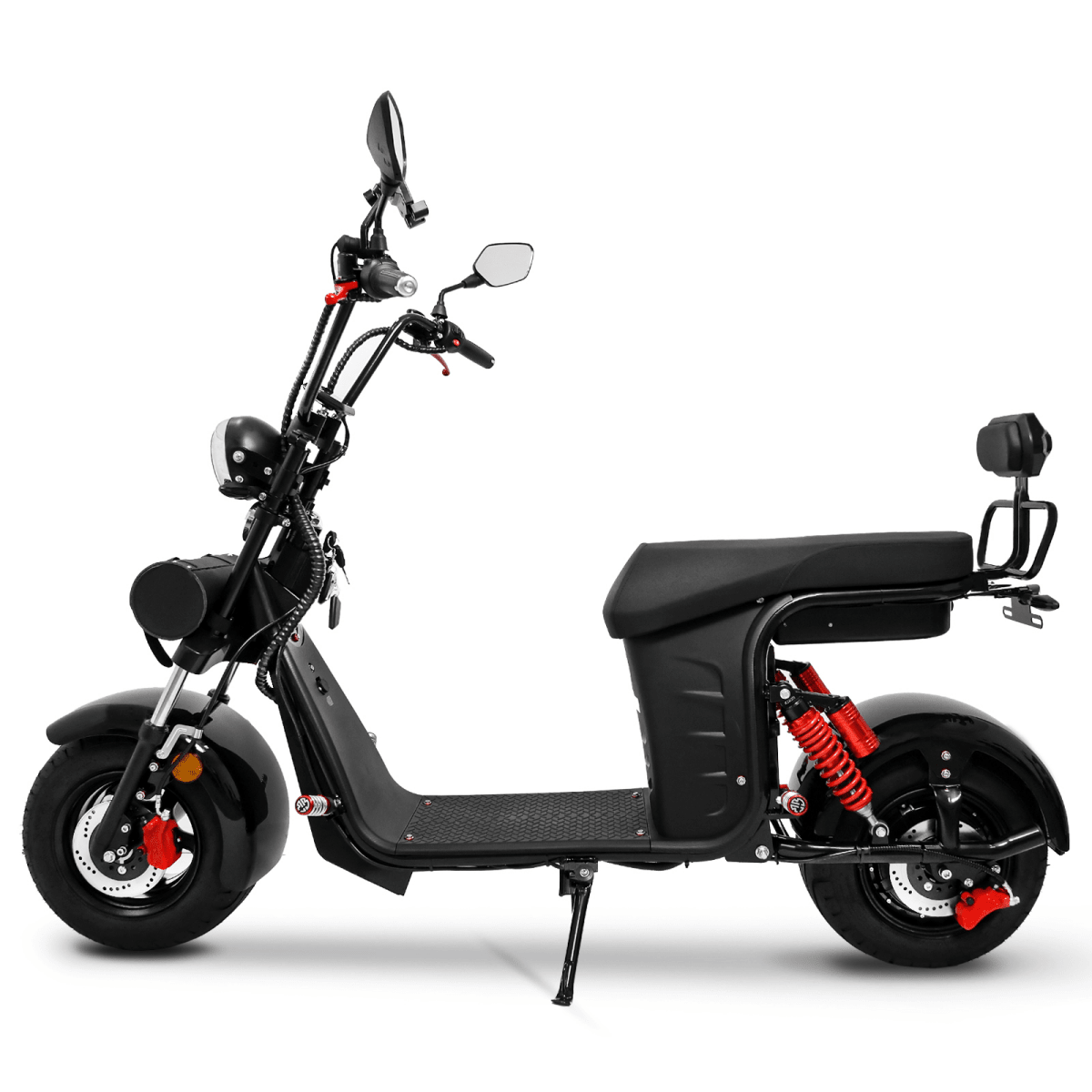
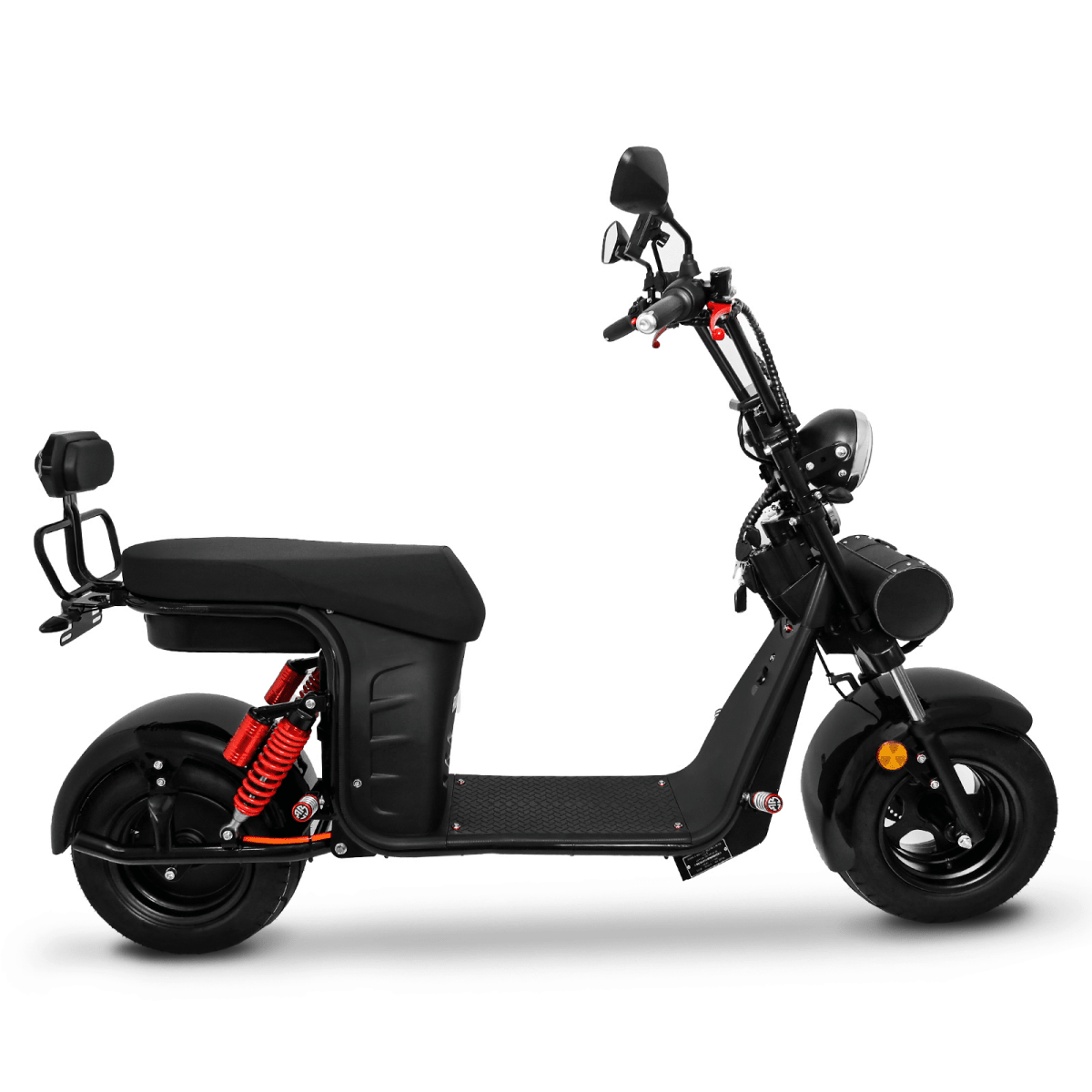
The electric scooter is no longer an experimental choice: it is a mature, approved vehicle, with predictable operating costs and performance suitable for daily urban use. In this collection you will find models selected for commuting, urban mobility, professional use and corporate fleets, from 45 km/h with an AM license to versions equivalent to a 125 cc that can be ridden with a B license.
This page gathers the technical criteria that truly matter in the choice — nominal and peak power, real range, battery type and removability, homologation, charging times — along with an analysis of operating costs and over twenty answers to frequently asked questions. The goal is to enable you to compare models using objective criteria, not to convince you to buy.
Why choose an electric scooter
An electric scooter replaces the internal combustion engine with an electric motor — in most urban models, a brushless motor mounted directly in the rear wheel hub — powered by a lithium-ion battery pack. This architecture gives rise to almost all the practical advantages that the user perceives in real use.
Instant torque and smooth riding
The electric motor delivers maximum torque virtually from a standstill. In the city, this translates into quick starts at traffic lights and safer integration into traffic, without having to manage the revving typical of an internal combustion engine of the same category. The absence of a gearbox and continuous variator also eliminates hesitation during acceleration.
Lower and more predictable operating costs
The consumption of an urban electric scooter is measured in watt-hours per kilometer: it typically falls within a range of approximately 25 to 60 Wh/km depending on the category, carried weight, speed, and altitude. The value may vary depending on the model. Translated into cost, charging a battery of approximately 1.5–2 kWh incurs a domestic cost of a few tens of cents. There is no gasoline, engine oil, air filter, spark plug, belt drive, or muffler to replace.
Reduced maintenance
Wear parts are drastically reduced: tires, brake pads and discs, bearings, shock absorbers. Energy recovery during braking, present on several models, further extends the life of the mechanical braking system. However, periodic checks on brakes, tire pressure, and fastenings remain essential.
Quietness
Noise emission is limited to tire rolling and aerodynamic rustling. This is an advantage for rider comfort on repeated journeys and for acoustic impact in residential areas, especially in the early morning and evening hours. For safety reasons, many moped-category vehicles integrate a low-speed acoustic warning system (AVAS) or in any case require greater attention towards pedestrians.
Local emissions and access to ZTLs (Limited Traffic Zones)
A purely electric vehicle produces no tailpipe emissions. In many Italian cities, this leads to facilitated access conditions to Limited Traffic Zones and controlled emission areas, as well as favorable parking regimes in some cases. The rules are defined by individual Municipalities and change over time: it is always necessary to check the updated local regulations.
Daily use
The usage profile in which the electric scooter performs best is repetitive and predictable: home-to-work within 20–30 km daily, urban deliveries, travel between locations, condominium or company use. In models with removable batteries, charging takes place at home or in the office from a normal domestic socket, without depending on public infrastructure.
How to choose the right electric scooter
The correct choice starts with the route, not the technical specifications. First define your actual daily kilometers, elevation gain, total weight carried, and where you can charge. Only then compare the following parameters.
Nominal power and peak power
Nominal power is the continuous value declared in the type approval and determines the vehicle category. Peak power is the maximum value that can be delivered for short periods, during acceleration or uphill. Two models with the same nominal power can behave very differently precisely because of the difference in peak power. In the electric moped category (L1e-B), the continuous nominal power is limited to 4 kW; in the L3e-A1 motorcycle category, the limit is 11 kW.
Declared range and real range
The declared range is measured under standardized conditions, typically at a moderate constant speed, with a reference rider and a flat route. The real range in urban use is normally lower. The factors that reduce it most are high average speed, frequent starts, carried weight, hills, low temperatures, and insufficient tire pressure. The value may vary depending on the model: as a precautionary rule, evaluate the model based on your daily commute multiplied by a safety margin.
Battery capacity
Capacity is expressed in watt-hours (Wh) or kilowatt-hours (kWh) and is obtained by multiplying nominal voltage (V) by capacity in ampere-hours (Ah). A 60 V 20 Ah pack corresponds to 1,200 Wh, or 1.2 kWh. Comparing Wh is the only correct way to compare batteries with different voltages: ampere-hours alone are not comparable.
Removable or integrated battery
The removable battery can be extracted from the under-seat compartment or footboard and charged at home or in the office: this solution makes electric vehicles practical for those who do not have a garage or a socket in the garage. It typically weighs between 10 and 25 kg per module, a value that varies depending on the model. The integrated battery generally allows for higher capacity and a lower center of gravity, but requires parking near a socket. Some models accept an optional second pack to double the range.
Maximum speed and homologation
Maximum speed is not a free performance data point: it is linked to the homologation category. L1e-B mopeds are limited to 45 km/h, L3e-A1 motorcycles have a higher speed. The speed should be chosen based on the roads traveled: if the journey includes urban ring roads or fast-flowing roads, a vehicle limited to 45 km/h is inadequate and potentially dangerous.
Charging time
Most urban scooters are charged from a domestic socket with chargers ranging from 1.5 to 10 A. Typical times for a full charge range from approximately 3 to 8 hours depending on capacity and charger power. The value may vary depending on the model. An overnight charge normally covers any commuting need.
Weight, load capacity and chassis
Always check the declared maximum load capacity, which includes the rider, any passenger, and cargo. Exceeding it worsens range, braking, and handling, and can invalidate the warranty. When comparing, also evaluate wheel diameter (larger wheels absorb bumps better), type of suspensions, braking system, and the presence of systems such as CBS or ABS where provided.
Required driving license
- Category L1e-B (moped, max 45 km/h): AM license from 14 years old, or any higher license (A1, A2, A, B). License plate, third-party liability insurance, and helmet are mandatory.
- Category L3e-A1 (125 equivalent, up to 11 kW): A1 license from 16 years old; in Italy, driving with a B license obtained for at least three years is also permitted, with a national territory limitation.
License and requirement regulations may be updated: always verify current legislation before purchase.
Urban use and extra-urban journeys
For city centers only, a compact 45 km/h model with a removable battery is almost always the most rational choice: agile, lightweight, and economical to manage. If the route includes extra-urban sections, roads with a 70 km/h speed limit, or repeated climbs, opt for a 125 equivalent with higher battery capacity and the possibility of a dual pack.
Types of electric scooters
50 cc equivalents (L1e-B)
These are electric mopeds, limited to 45 km/h, with a continuous rated power of up to 4 kW. They represent the entry point to electric mobility: lightweight, easy to handle, rideable with an AM license. Ideal for historic centers, short journeys, and as a first vehicle.
125 cc equivalents (L3e-A1)
Electric motorcycles with a nominal power up to 11 kW and a speed exceeding 45 km/h. These are the choice for those who also travel on arterial roads or urban ring roads, or regularly carry a passenger. They require an A1 license or a B license according to the conditions described above.
Three-wheelers
Three-wheeled models — two front and one rear, or reverse configuration — offer greater stability when braking and on slippery surfaces, and in some configurations do not require placing feet on the ground when stopped. They are appreciated by those seeking superior perceived safety or with specific balance needs. Homologation category and required license must be checked on a case-by-case basis.
Cargo and professional use
Versions with extended footboards, reinforced frames, increased load capacity, and provision for top cases or insulated boxes. These are designed for urban deliveries, food delivery, technical maintenance, and company fleets, where load capacity, robustness, and cost per kilometer matter more than absolute performance.
Premium
High-end segment characterized by refined chassis, adjustable suspensions, superior quality brakes, connectivity, TFT display, GPS anti-theft, and batteries with higher energy density. The purchase cost is higher, but the level of finish, assistance, and value retention over time are generally superior.
Compact urban
Optimized for compact dimensions, reduced weight, and easy parking. Battery is almost always removable, under-seat compartment often limited by the presence of the pack. These are the most effective solution to the parking problem in historic city centers.
Long range
Models with dual battery packs or high single capacity, designed for those who travel many kilometers a day or cannot charge during the day. Higher range implies more weight and a higher price: it only makes sense if the need is real and documented by your journeys.
Comparative table of categories
The table shows indicative category values, useful as a general reference. The specific data for each model are indicated in the respective product sheet and may vary.
| Category | Maximum speed | Indicative range | License | Ideal use | Charging time |
|---|---|---|---|---|---|
| 50 equivalent (L1e-B) | 45 km/h | 40–80 km | AM (14 years) or higher | City center, short trips, first vehicle | 4–7 hours |
| 125 equivalent (L3e-A1) | Over 45 km/h depending on model | 60–120 km | A1 (16 years) or B for 3 years in Italy | Mixed urban and extra-urban trips, two people | 4–8 hours |
| Three-wheelers | According to homologation | 40–90 km | To be verified for individual model | Superior stability, uneven surfaces | 4–8 hours |
| Cargo / professional | 45 km/h in most cases | 40–80 km, sensitive to load | AM or higher | Deliveries, fleets, urban maintenance | 4–8 hours |
| Premium | According to homologation category | 70–140 km | According to category | Intensive daily use, comfort and features | 3–7 hours |
| Long range (dual battery) | According to category | 100–160 km | According to category | High mileage, no intermediate charging | 6–10 hours per dual pack |
Advantages over traditional scooters
Energy cost
A 50 cc internal combustion scooter consumes approximately between 2.5 and 3.5 liters per 100 km in urban use. An electric scooter of the same category consumes approximately between 2.5 and 5 kWh per 100 km. At current domestic energy prices, the cost difference per kilometer is several times in favor of electric. Values may vary depending on the model, tariffs, and driving style.
Maintenance cost
For internal combustion vehicles, servicing includes engine oil, oil filter, air filter, spark plug, transmission check, and periodically, the variator belt and rollers. These interventions do not exist for electric vehicles. Brakes, tires, suspensions, electrical checks, and battery health verification remain.
Insurance
An electric moped is insured like any moped, with mandatory third-party liability. Some companies apply dedicated discounts for electric vehicles, but this is not a general rule: premiums depend on merit class, age, province of residence, and maximum coverage. Always compare specific quotes for your profile.
Noise and comfort
The absence of internal combustion engine vibrations reduces fatigue on repeated daily commutes. In the long run, this is one of the most frequently cited advantages by those who switch to electric, along with the absence of gasoline smell in the garage and on clothing.
Perceived performance
In urban traffic, where most accelerations occur from 0 to 30 km/h, the immediate torque of an electric scooter generally offers a quicker response compared to an internal combustion scooter of the same category. In terms of top speed and continuous range, the internal combustion engine still has an advantage.
Reliability
Fewer moving parts means fewer mechanical failure modes. The critical points of electric vehicles shift to electronics: BMS, control unit, connectors, wiring, and sensors. Hence the importance of choosing brands with a real service network and spare parts availability, not just a good list price.
| Aspect | Electric scooter | Internal combustion scooter |
|---|---|---|
| Cost per kilometer | Very low, linked to energy price | Higher, linked to fuel price |
| Servicing | Reduced, without oil and filters | Periodic, with more consumables |
| Refueling | 3–8 hours from domestic socket | Few minutes at the pump |
| Continuous range | Limited, depends on battery pack | High, with quick refueling |
| Exhaust emissions | Absent | Present |
| Restricted traffic zones (ZTL) access | Often facilitated, according to municipal regulations | Subject to increasing restrictions |
| Noise | Very low | Perceptible |
| Most expensive component in the lifecycle | Battery | Engine and transmission |
Lithium-ion batteries
How they work
A lithium-ion battery stores energy by moving lithium ions between an anode and a cathode through an electrolyte. During discharge, ions migrate towards the cathode, generating current; during charging, the process reverses. The most common chemistries in micromobility are NMC (nickel-manganese-cobalt), which prioritizes energy density and thus lightness, and LFP (lithium iron phosphate), which prioritizes cyclic life and thermal stability at the cost of higher weight for the same capacity.
The BMS
The Battery Management System is the electronics that monitors the pack: it balances the cells, limits charging and discharging currents, blocks operation outside of temperature and voltage thresholds, and communicates the state of charge to the display. It is the component that largely determines the safety and real longevity of the battery. It must never be bypassed or tampered with.
Life and charge cycles
Useful life is measured in full charge and discharge cycles. Lithium-ion batteries for micromobility typically offer from several hundred to over a thousand cycles before dropping to around 80% of initial capacity, a value conventionally indicated as the end of useful life in the automotive sector. The actual number depends on chemistry, cell quality, typical depth of discharge, operating temperatures, and charging current. The value may vary depending on the model. A battery at 80% remains perfectly usable; it simply offers fewer kilometers.
Maintenance and best practices
- Avoid leaving the battery at zero for long periods: prolonged deep discharge is the most common and often irreversible damage.
- Use only the original charger or one approved by the manufacturer for that pack.
- Recharge at room temperature. Charging a very cold or very hot pack accelerates degradation; some BMS systems directly prevent this.
- Frequent partial discharges are less stressful than repeated full cycles from 100% to 0%.
- Keep the contacts of the removable pack clean and dry.
Storage during inactivity
For prolonged stops — typically winter storage — the practice recommended by most manufacturers is to store the pack at an intermediate state of charge, roughly around 50–70%, in a dry place and at moderate temperature, checking the charge every one or two months and restoring it if it has dropped too much. Always consult the specific model's manual, which takes precedence over any general indication.
How much does it cost to maintain an electric scooter?
The total cost of ownership consists of energy, routine maintenance, tires, insurance, any taxes, and, in the long term, battery replacement. Let's analyze each item one by one.
Cost of energy
The calculation is direct: battery capacity in kWh multiplied by the price of energy per kWh, adding a margin for charging efficiency. A 1.5 kWh pack therefore requires about 1.7 kWh drawn from the grid for a full charge. On an annual basis, for a commuter who travels 5,000 km, the energy expenditure remains in the order of a few tens of euros. Values depend on the tariff applied by your provider.
Periodic maintenance
Services for an electric vehicle focus on checking and adjusting brakes, verifying fasteners, checking suspension, electronic diagnostics, and verifying battery status. Intervals are indicated by the manufacturer, often based on mileage or annually. The absence of oil, filters, spark plugs, and belts significantly reduces both the cost of spare parts and labor time.
Tires
A cost item common to both electric and internal combustion vehicles. Durability depends on compound, pressure, load, and riding style. The immediate torque of an electric vehicle can accelerate rear tire wear if full acceleration from a standstill is often used. Checking tire pressure every two weeks is the single most impactful action on tire life, safety, and range.
Insurance
Third-party liability insurance is mandatory. The premium depends on your personal insurance profile and province. Consider adding theft and fire coverage: the removable battery pack is a valuable component, and some contracts treat it specifically. Always check policy conditions.
Road tax and duties
In Italy, electric vehicles benefit from a road tax exemption for a period defined by law, with regimes that may differ between Regions and are subject to updates. Always check the regulations in force in your Region at the time of registration.
Battery replacement
This is the most significant cost item in the lifecycle. It should be considered as a deferred cost over time, typically after several thousand kilometers and several years of use. Before purchasing, verify the availability of the replacement pack for that model and its price list: this is an important selection criterion, as much as the declared range.
| Cost item | Frequency | Notes |
|---|---|---|
| Charging energy | Continuous | Proportional to kilometers traveled and electricity tariff |
| Service | Annual or by mileage | No oil, filters, or spark plug |
| Tires | According to wear | Correct pressure significantly extends their life |
| Brake pads | According to wear | Braking regeneration, if present, reduces consumption |
| Third-party liability insurance | Annual | Mandatory; consider theft and fire |
| Road tax | Annual after exemption | Variable regime by Region and subject to updates |
| Battery | Every few years | Deferred cost; check spare part availability |
Available incentives
The framework of incentives for electric mobility in Italy is structured on three levels, which can coexist but follow different rules and timeframes.
National Ecobonus
A state measure for the purchase of electric vehicles in categories L, managed through a dedicated booking platform accessed by dealerships. Resources are capped: when the fund is exhausted, bookings close until a possible refinancing. Contribution percentages, spending caps, any scrapping requirement, and access requirements are redefined with each new edition of the measure.
Regional incentives
Several Regions activate their own calls for sustainable mobility, with endowments and criteria independent of the national measure. They can be cumulative or alternative to the Ecobonus, depending on what is provided by the individual call.
Municipal contributions
Some municipalities provide direct contributions, parking concessions, preferential access to ZTLs, or exemptions from entry fees for electric vehicles. These are the most variable measures and most subject to changes during the year.
Tax benefits for companies and professionals
For VAT-registered individuals and businesses, ordinary deductibility and tax credit regimes apply as provided for company vehicles, with specific rules for instrumental use and for assignment to employees. As this is a tax matter that depends on the individual corporate structure, the assessment should always be shared with your accountant.
Why buy from Endurrad
Endurrad comes from the world of two-wheelers and applies the same technical approach to electric mobility that it has used for years for motorcycle equipment: supplier selection based on documentation, verified product sheets, competent pre and post-sales support.
The substantial difference from a generalist electric mobility retailer is the point of view. An electric scooter remains a two-wheeled vehicle: the chassis, braking system, wet performance, steering geometry, and rider protection are as important as battery capacity. These are exactly the parameters we use to evaluate any vehicle in our catalog.
For those who already ride a motorcycle
Many of our customers already own a motorcycle and are looking for a second vehicle for daily urban commutes: those where bringing out an adventure or touring bike makes no sense, between traffic, repeated stops, and parking. In this scenario, the electric scooter is complementary, not a substitute, and the selection criteria change: agility, home charging capability, and cost per kilometer matter, not absolute performance. In the collection, you'll also find technical apparel and accessories for year-round use, from protected hands in winter to evening visibility.
Product selection
The models in the catalog are chosen based on documented homologation, actual spare parts availability, and reliability of the assistance chain. We do not include products without complete technical documentation or a verifiable spare parts chain.
Technical support before purchase
If your daily commute, elevation gain, or carried weight makes the choice between two categories uncertain, you can contact us before ordering. We prefer to recommend the correct model — or tell you that none of ours are suitable for your case — rather than dealing with an avoidable return.
After-sales support
We handle warranty, spare parts, and claims management in collaboration with manufacturers and their authorized centers. For batteries and electronic components, where intervention times make a difference, the availability of spare parts is an upfront selection criterion.
Shipping and delivery
The shipment of a complete electric vehicle with battery is subject to specific rules for the transport of lithium-ion cells. The conditions, times, and delivery methods are indicated on the shipping page and in the description of each product.
Companies and fleets
For multiple purchases, fleet management, and supplies to professional entities, we can prepare dedicated quotes and documentation for internal procedures. Contact us indicating the number of vehicles, usage profile, and delivery location.
Frequently asked questions about electric scooters
What license do I need for an electric scooter?
For L1e-B electric mopeds, limited to 45 km/h, an AM license is required, obtainable from age 14; any higher license is also valid. For models equivalent to a 125cc (L3e-A1, up to 11 kW), an A1 license is required from age 16, or in Italy, a B license held for at least three years, with validity limited to national territory. Always check current regulations at the time of purchase.
How long does it take to fully charge the battery?
A full charge typically takes 3 to 8 hours, depending on the pack capacity and charger power. The value may vary depending on the model. In daily practice, overnight charging covers all urban commuting needs.
Can I use the electric scooter in the rain?
Yes. Electric scooters approved for road use are designed to withstand rain and splashes, with electrical components protected according to the IP ratings declared by the manufacturer. Avoid crossing deep floods, immersing the vehicle, and using high-pressure washers directly on the battery, connectors, and control unit. Consult the protection rating indicated in the model's specifications.
How long does an electric scooter battery last?
Useful life is measured in charge and discharge cycles: typically from several hundred to over a thousand cycles before dropping to around 80% of the original capacity. In terms of years, with typical urban use, it generally means several years of service. It depends on cell chemistry, temperatures, depth of discharge, and charging quality. The value may vary depending on the model.
Is the battery covered by warranty?
The battery is covered by the legal warranty of conformity for consumer goods and, where present, by an additional manufacturer's conventional warranty, often also defined in terms of cycles or minimum residual capacity. Progressive degradation due to normal use is not considered a defect. Specific conditions are indicated in the manufacturer's documentation.
Is insurance required for an electric scooter?
Yes. As they are registered and plated motor vehicles, third-party liability insurance is mandatory, just like for mopeds and internal combustion motorcycles. Some companies offer specific conditions for electric vehicles, but this is not a generalized rule.
Do I pay road tax on an electric scooter?
In Italy, electric vehicles benefit from a road tax exemption for a period defined by law from registration, with subsequent regimes that may vary at the regional level. As this matter is subject to updates, check the regulations in force in your Region.
What is the real range compared to the declared range?
The declared range is measured under standardized and favorable conditions. In real urban use, the actual value is normally lower, due to frequent starts, average speed, carried weight, elevation changes, and outside temperature. As a cautionary criterion, choose a model that covers your daily commute with a safety margin.
Does an electric scooter handle hills well?
Hills are where the immediate torque of the electric motor is most appreciated. However, the actual capability depends on peak power, gear ratio, and total carried weight. On prolonged slopes, consumption increases significantly, and range is reduced accordingly. Those living in a hilly city should opt for models with higher power.
Can I carry a passenger?
Only if the vehicle is approved for two people, if the maximum load capacity allows it, and if the driver meets the requirements of the Highway Code for carrying passengers. A second passenger increases consumption and reduces range. Always check the homologation stated on the vehicle registration document.
What is the top speed of an electric scooter?
It depends on the homologation category. L1e-B electric mopeds are limited to 45 km/h by law. Models equivalent to a 125cc (L3e-A1) reach higher speeds, defined by the manufacturer within the category limits. Any modification intended to exceed the approved limit is illegal and invalidates the warranty and insurance coverage.
Can the battery be replaced?
Yes, the battery is a replaceable component. On models with a removable pack, replacement is generally immediate; on models with an integrated battery, it requires intervention from a service center. Before purchasing, verify the declared availability of the replacement pack for that specific model: this is a selection criterion that affects the long-term cost of ownership.
How does an electric scooter perform in winter?
At low temperatures, cell chemistry is less efficient, and range is reduced, with a potentially significant drop below a few degrees Celsius. This phenomenon is temporary: when mild temperatures return, capacity returns to usual values. Storing the vehicle in a sheltered place and bringing the removable battery into a temperate environment before charging limits the effect.
And in summer, with intense heat?
Excessive heat is more damaging to battery life than cold. Avoid leaving the vehicle or battery pack exposed to direct sunlight for hours, and do not recharge immediately after intense use when the battery is hot: allow the pack to cool down. Many BMS systems automatically limit charging above certain temperature thresholds.
How much energy does an electric scooter consume?
Consumption is expressed in watt-hours per kilometer and is typically between 25 and 60 Wh/km for urban models, with higher values for high speeds, heavy loads, or hilly routes. The value can vary depending on the model.
Can I charge it from a normal household outlet?
Yes. Urban electric scooters are charged from a 230V household outlet using the supplied charger. It is advisable to use a socket in good condition connected to a compliant electrical system, avoid extension cords wound on a reel, and do not connect multiple high-consumption devices to the same line.
What is the difference between a removable and an integrated battery?
A removable battery can be taken out and charged anywhere there is an outlet, a crucial requirement for those who park on the street. An integrated battery generally allows for higher capacity and a lower center of gravity, but requires the vehicle to be charged where it is. The choice depends almost entirely on where you usually park.
Where can I park an electric scooter?
The same rules apply as for mopeds and motorcycles. Several municipalities offer preferential parking conditions for electric vehicles, but these are local measures that change over time: check your municipality's regulations. For charging in a condominium, installing an outlet in your parking space is generally possible in compliance with system regulations and condominium rules.
Are spare parts readily available?
It depends on the brand. Chassis components — tires, brake pads, bearings, levers, suspension — are often standard or easy to find. Specific components, such as the battery, motor, control unit, and display, depend on the manufacturer's distribution network. This is why we select models with a verified spare parts supply chain.
Do I need a helmet on an electric scooter?
Yes. A helmet is mandatory for the rider and passenger on all mopeds and motorcycles, including electric ones. We also recommend using certified protective clothing, especially gloves and a jacket with protectors, even for short urban commutes.
Can an electric scooter be used for work and deliveries?
Yes, and it is one of the areas where the economic advantage is most pronounced, due to high urban mileage and low cost per kilometer. For professional use, carefully consider the maximum load capacity, the robustness of the footboard, the possibility of installing top cases, and the availability of a second battery pack to alternate during the shift.
What happens if the battery completely discharges on the road?
The vehicle stops. Many models first activate a reduced power mode or signal the reserve on the display, allowing you to reach a nearby destination. It is not possible to "push" an electric vehicle to recharge it. For models with a removable pack, the practical solution is to take the battery to an outlet; otherwise, the vehicle must be transported.


