

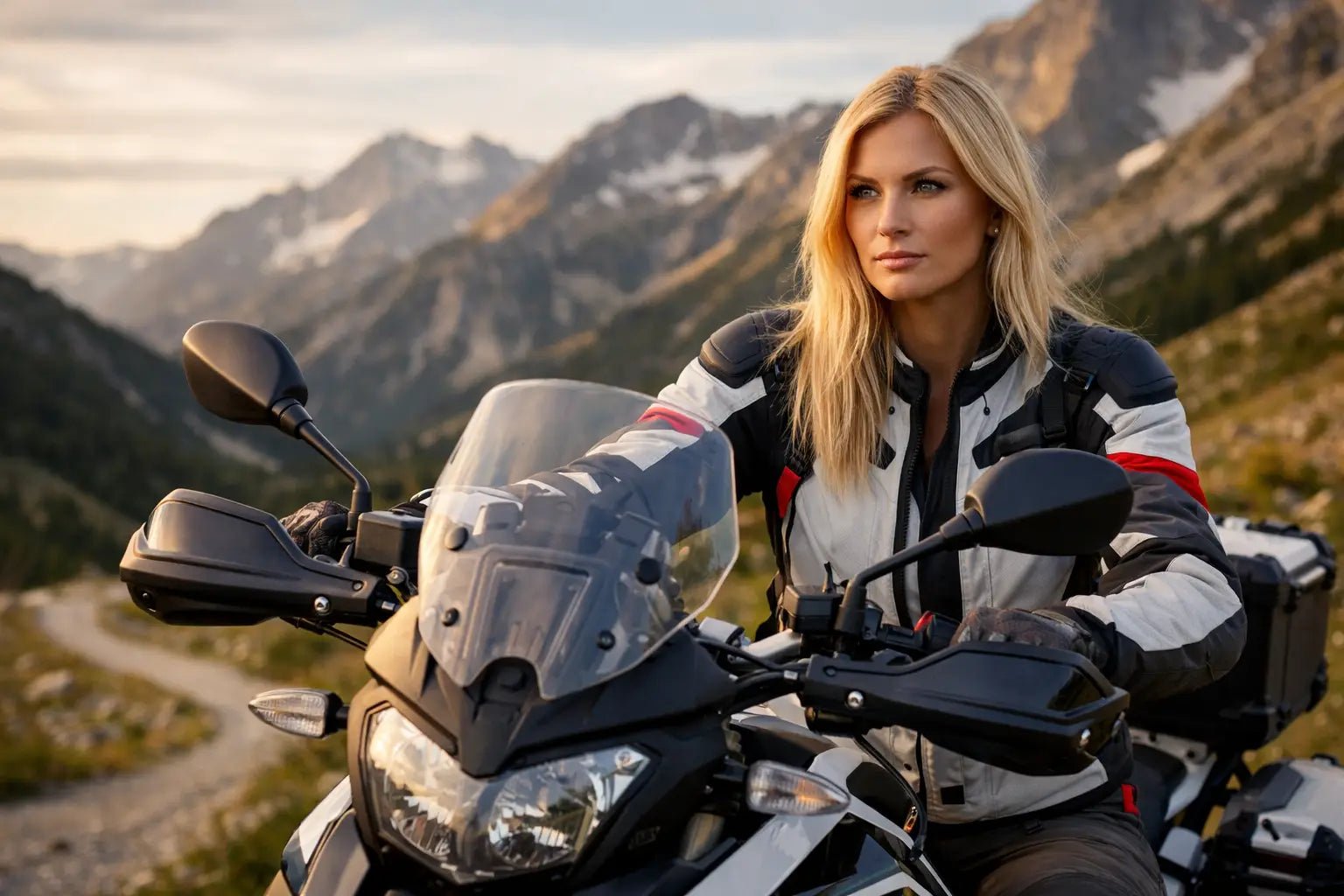
If you've ever jammed a brake lever against a branch, or lost feeling in your fingers after two hours of riding in rain and cold wind, the Barkbusters motorcycle handguard review starts here: they are not an aesthetic accessory. They are a protection that truly changes how a motorcycle handles real-world use, especially on loaded adventure and dual-sport bikes for travel.
Barkbusters is one of those names that frequently comes up when preparing a motorcycle for off-road, long-distance travel, or serious mixed use. The reason isn't the logo on the box. It's because the system, with its aluminum core and outer shell, is designed to protect two things that immediately matter when traveling—your hands and the handlebar controls. If you fall while stationary, if you lay the bike down on a mule track, if you encounter narrow vegetation or gravel kicked up by the rider in front of you, you quickly understand the difference between a decorative handguard and a structural one.
What really changes on and off-road
The first concrete advantage is the survival of the levers. On a 230 kg maxi-enduro in running order, even a simple slip can be enough to bend or break the brake or clutch lever. A handguard with a rigid bar doesn't eliminate the risk, but it greatly reduces it. This means one simple thing: if you fall far from home, you have a better chance of getting back on the road.
You feel the second advantage in your hands. Not just in winter. Even at 8-10 degrees Celsius with light rain, after an hour on the highway, the continuous airflow tires your fingers and stiffens your grip. With Barkbusters, especially the versions with ample coverage, the aerodynamic protection is noticeable. They won't turn your GS or Africa Twin into a fully faired scooter, but they significantly reduce direct air on your knuckles and gloves.
Off-road, the situation changes again. In sections with low branches, dense vegetation, and stones thrown up by the front wheel, having rigid protection makes the difference between continuing to ride smoothly and arriving at the end of the day with fatigued hands or scuffed levers.
Barkbusters motorcycle handguard review - materials and construction
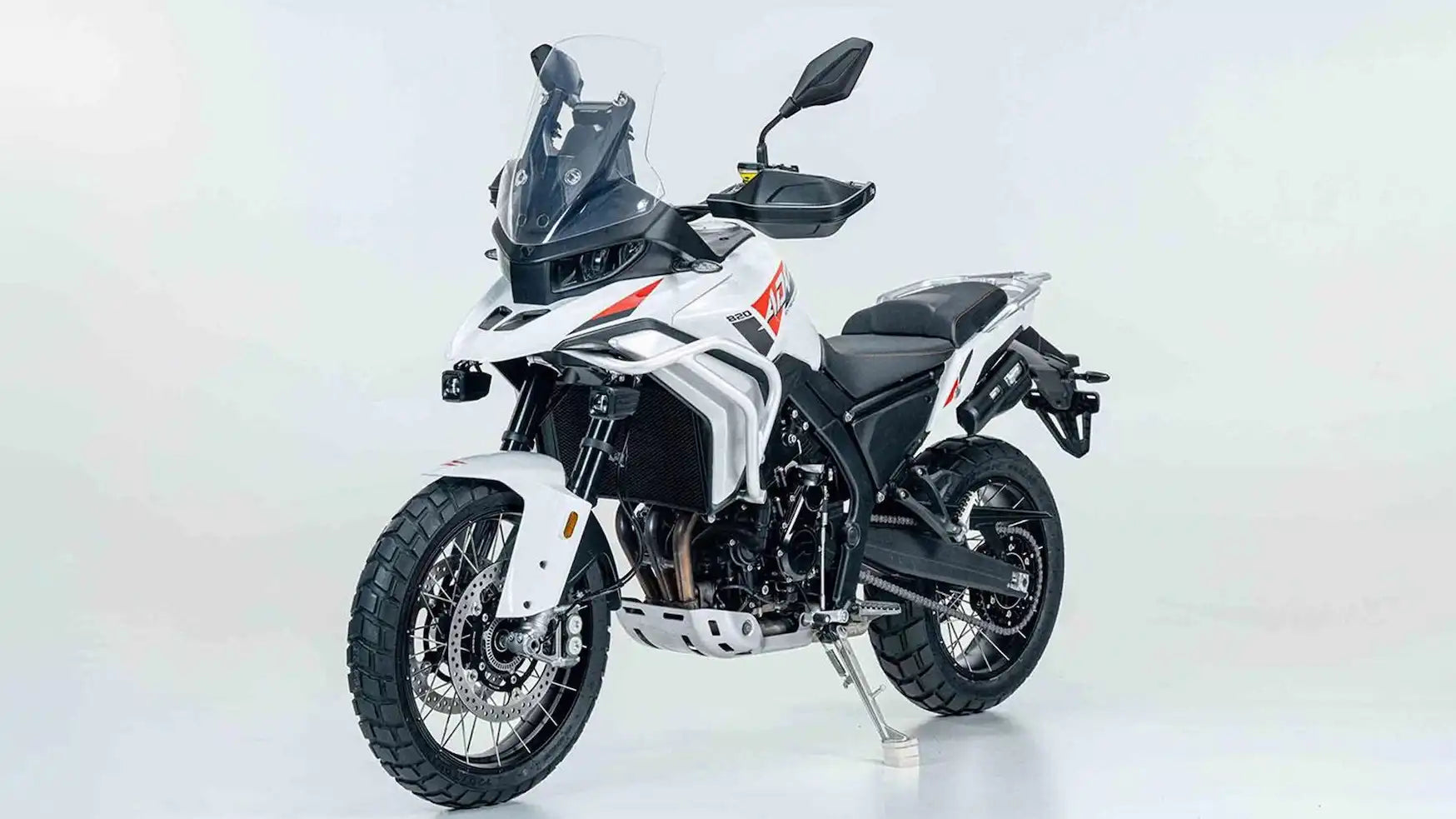
The strength of Barkbusters lies in their architecture. They don't just rely on a plastic cover, but on an aluminum bar that connects the handlebar ends to the inner mounting point. This structure provides the protection many seek on motorcycles like the KTM 890 Adventure, Yamaha Ténéré 700, BMW F 850 GS, or Ducati DesertX.
The outer cover does the rest: it deflects air, water, light mud, and small impacts. The covered surface changes depending on the chosen series, and thus the ideal use also changes. A more compact cover makes the bike sleeker and may appeal to those who do more technical off-roading. More coverage makes more sense if you rack up long transfers, cross alpine passes in the rain, or ride in winter.
Here, however, an honest distinction is needed. The aluminum bar protects against impacts. The cover protects against external elements. If your main concern is cold, looking at the brand isn't enough: you need to look at how wide the front protection is. If, on the other hand, your problem is avoiding breaking a lever in case of a fall, the presence of reinforcement is the decisive part.
Mounting and compatibility - the real thing to check
On this type of product, the typical error is not choosing the wrong brand. It's underestimating compatibility with your motorcycle and with accessories already installed. On many modern adventure bikes, the handlebar accommodates OEM handguards, specific bar end weights, bulky brake pumps, displays, navigation supports, and sometimes heated grips with non-trivial bulk.
For this reason, in a Barkbusters motorcycle handguard review, the real question isn't just "are they sturdy?". It's "do they fit well with my setup?". On models like the BMW R 1250 GS, R 1300 GS, Tiger 900, or Africa Twin, the availability of dedicated kits makes a big difference. A specific kit works better with the actual dimensions of the handlebar and reduces unnecessary adaptations. Less tension during mounting, less risk of the handguard touching the fairing, tank, or lever at full lock.
If you have already installed handlebar risers, aftermarket mirrors, or adjustable short levers, checking the available space becomes even more important. This is not a flaw of Barkbusters. It's the reality of any motorcycle truly prepared for travel.
How they perform on long trips
On a multi-day trip, the value of handguards is seen in the small details, those that seem secondary when stationary. In the early morning, with humidity and cold gloves, protection from direct air reduces stress on your hands. In continuous rain, it limits water hitting your fingers, although it obviously doesn't replace a good waterproof glove.
On 500-800 km stages, this translates into less fatigue. We're not talking about vague comfort. We're talking about a more relaxed grip on the handlebars, less stiffening of hands and forearms, more control when you arrive tired at the last kilometers.
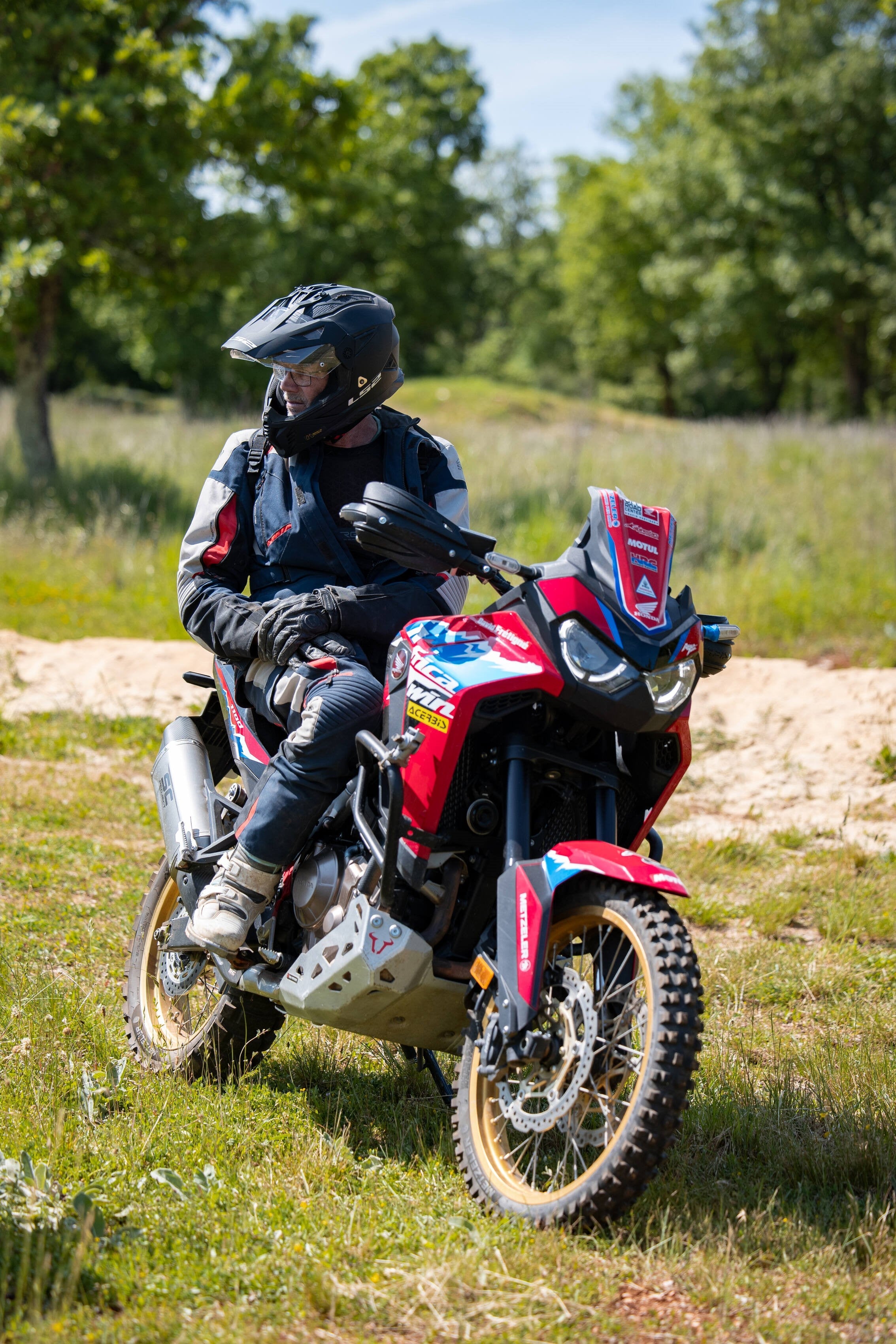
On motorcycles like the BMW GS, Triumph Tiger 1200, or KTM 1290 Super Adventure, the benefit integrates well with the overall aerodynamic protection. On more exposed vehicles, such as the Ténéré 700 or Himalayan, the effect can be even more evident because the hand remains less shielded by the bike itself.
And off-road? Good, with a couple of limitations to know
In light and medium off-road conditions, the advantage is clear. If you touch a bush, brush against a branch, or if the bike leans over at low speed, the rigid structure really helps save the control. For those who use an adventure bike on rocky terrain, fast gravel roads, or bumpy tracks, this is not a detail.
However, there's a limit to keep in mind. Reinforced handguards don't make the bike indestructible. In a heavy fall, they can still bend, rotate, or transfer part of the impact to the mounting point. Furthermore, in more technical off-road, a very wide set can slightly increase the lateral bulk in narrow vegetation. Nothing dramatic, but it's a classic case where it depends on the use.
If you mostly travel on touring gravel roads, extensive coverage makes a lot of sense. If, however, you prefer more technical outings and want less bulk, a more compact configuration is better. The right choice is not absolute. It's consistent with your typical route.
Is it worth the cost?
If you only look at the initial price, Barkbusters are not in the range of someone who buys an accessory just to try it out. But on a travel motorcycle, the cost should be considered alongside the problems they prevent. A broken lever far from home, a stupid fall that ruins your day, tired hands from wind and rain after hours in the saddle: these are normal situations, not exceptions.
The value lies here. Not in product marketing, but in the fact that it solves concrete and recurring problems. For this reason, they make particular sense on motorcycles truly used for travel or for frequent off-road excursions. If you only ride on asphalt in summer and take short trips, the benefit remains but weighs less. If, however, you alternate long transfers, mountain passes, rain, and gravel roads, they become much easier to justify.
Who I would really recommend them to
I see them fitting well for three profiles. The first is someone who travels a lot and doesn't want trivial vulnerabilities on a loaded motorcycle. The second is someone who also uses their adventure bike off-road and wants to protect the controls without improvising. The third is someone who is building a balanced motorcycle, where every accessory must have a clear function.
On some motorcycles, the jump in utility is more evident. Ténéré 700, F 850 GS, KTM 890 Adventure, Himalayan, and DesertX are typical examples where the protection of controls and hands is immediately appreciated. On Boxer GS and more protective maxi-enduros, the aerodynamic benefit may seem less dramatic, but impact protection remains central.
If you are considering this product for your setup, the advice is simple: first, look for the correct kit for your model, then the level of coverage you really need. This is the quickest way not to spend twice and not end up with an accessory that is right on paper but wrong for your bike.
A good handguard is barely noticeable when everything is going well. Then comes that stationary maneuver on gravel, that transfer in the rain, that narrow stretch in the woods, and you understand why certain accessories become part of serious motorcycle preparation and never leave.


Share:
Best folding mirrors for adventure
Motorcycle intercom vs. earphones: what's the difference