

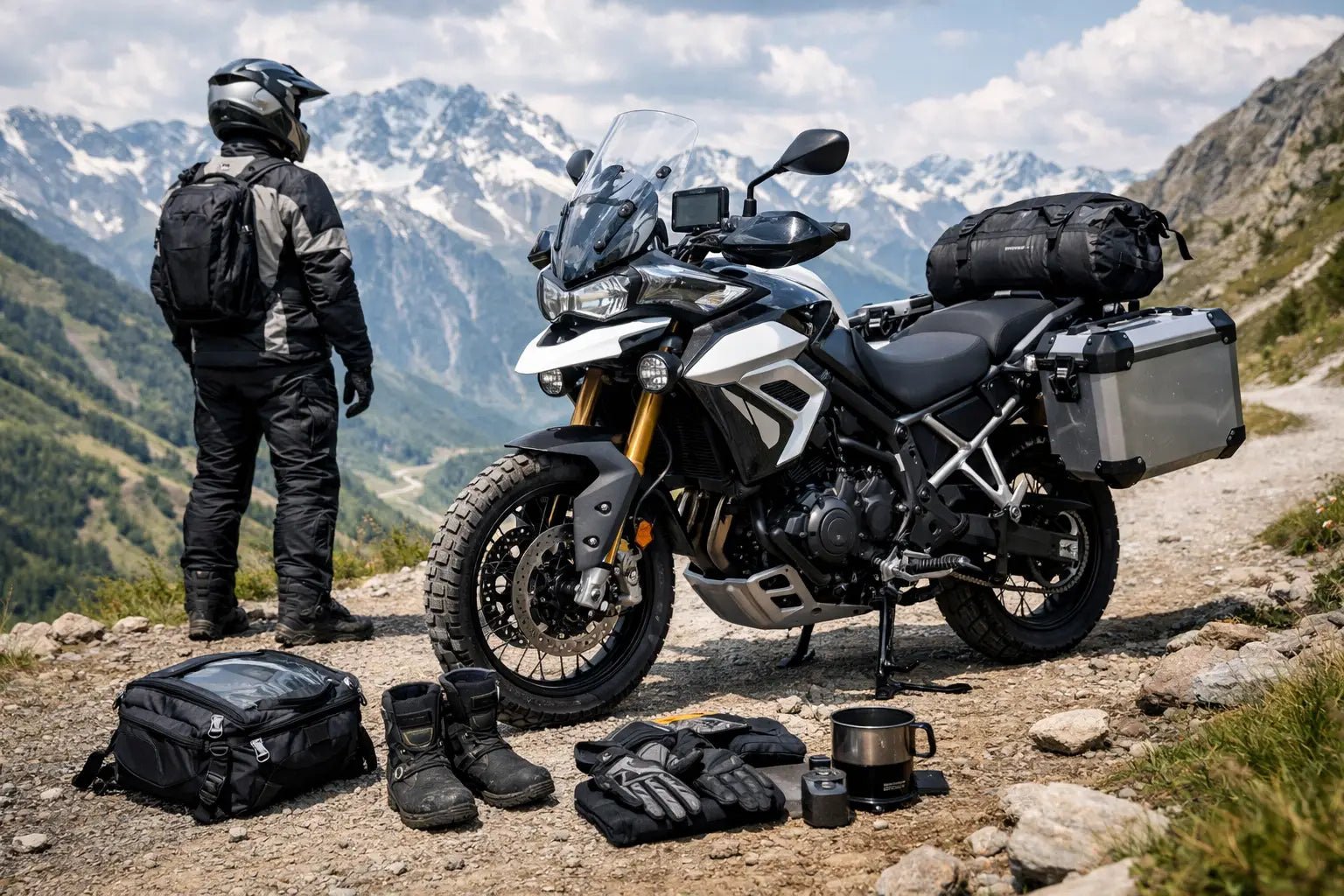
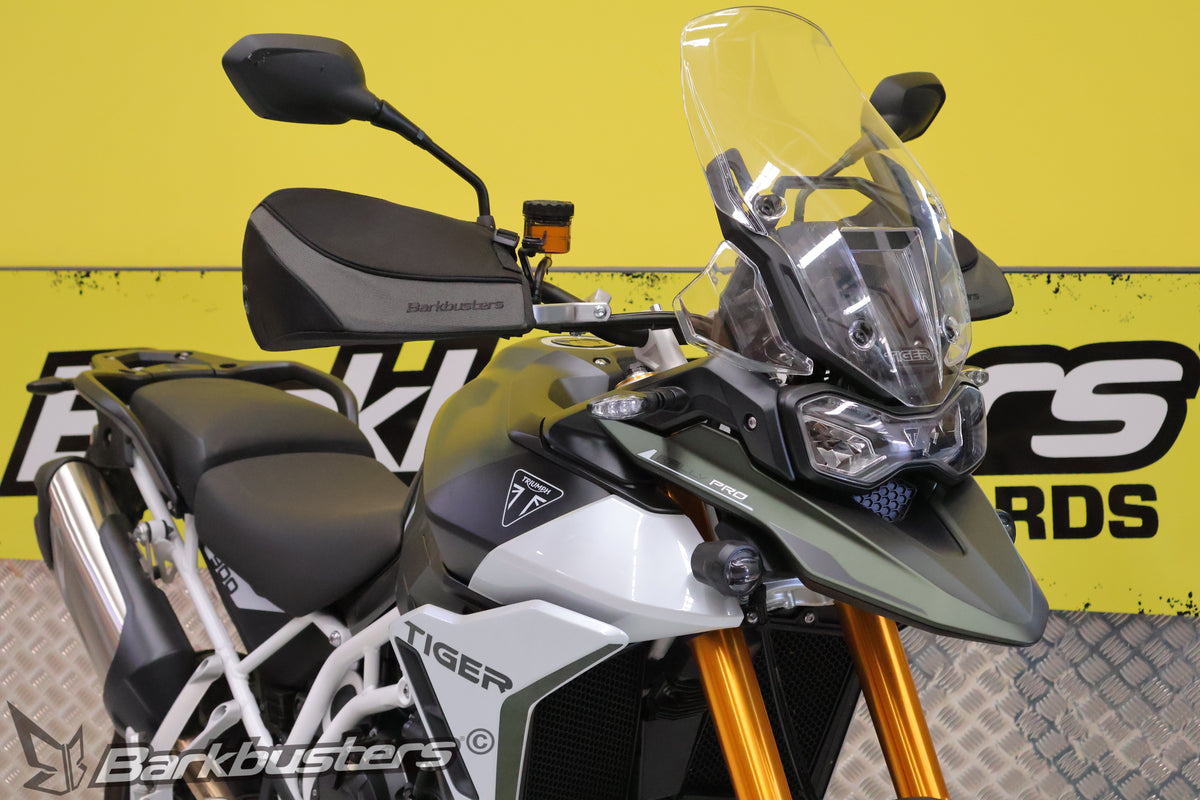
The Triumph Tiger 900 is a very solid base for those who alternate between asphalt, unpaved roads, and fully loaded trips. Precisely for this reason, choosing accessories for the Triumph Tiger 900 is not an aesthetic matter, but a question of setting up the bike according to real-world use. A well-thought-out configuration improves protection, comfort, and carrying capacity without unnecessarily weighing down the bike or making it harder to manage.
Those who use the Tiger 900 for fast touring have different needs from those who tackle dirt roads, long stages, or journeys in every season. The point is not to fit everything available, but to select components that are compatible and genuinely useful. On a modern adventure bike, every accessory should have a precise function: protect, increase operational range, improve ergonomics, or make the journey simpler.
How to choose accessories for the Triumph Tiger 900
The first question to ask is simple: how do you really use the bike? If 90% of your mileage is on the road, a touring-oriented setup makes sense. If, on the other hand, you take mixed rides with rough sections and limited luggage, it is better to prioritize protection, lightness, and control.
A common mistake is to start with the catalog instead of the type of use. The result is an overloaded Tiger 900, with accessories that are individually valid but poorly matched. The correct approach is to divide the preparation into four areas: protection, luggage, ergonomics, and navigation. From there, you can build a bike that is genuinely ready.
The specific version of the Tiger 900 also matters. The needs of a Rally Pro used on light off-road terrain do not coincide with those of a GT intended to cover highways and alpine passes. The compatibility of subframes, brackets, engine guards, and mounts should never be taken for granted: it is one of the factors that separates a clean setup from one full of avoidable adaptations.
Protection: start with the basics
If there is one category to consider before the others, it is this one. Protection on an adventure bike is not only useful off-road. A stationary tip-over, a parking maneuver, or a bad landing on uneven ground is enough to damage fairings, the engine, or the radiator.
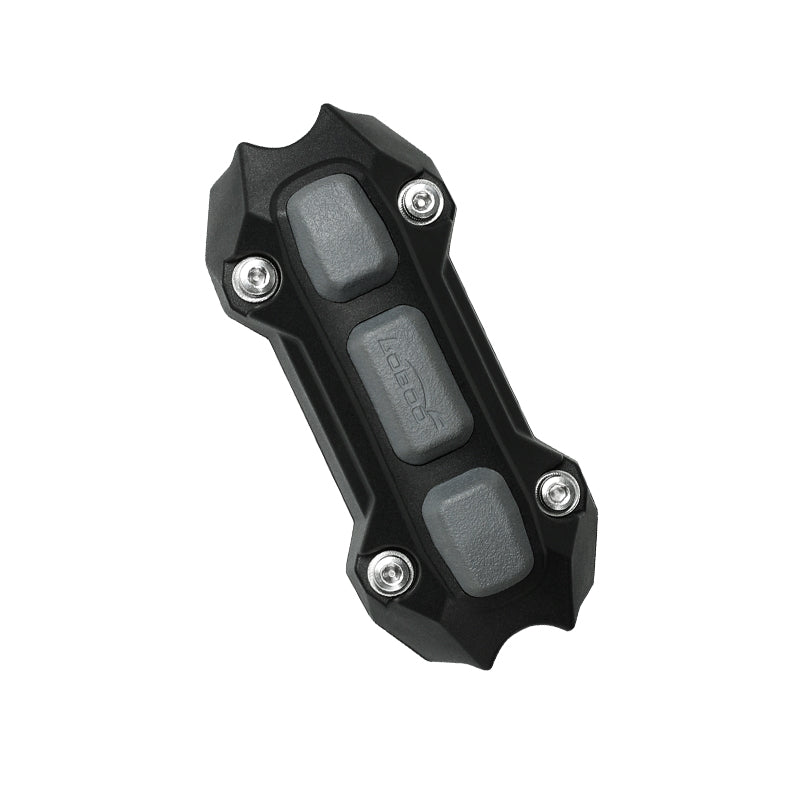
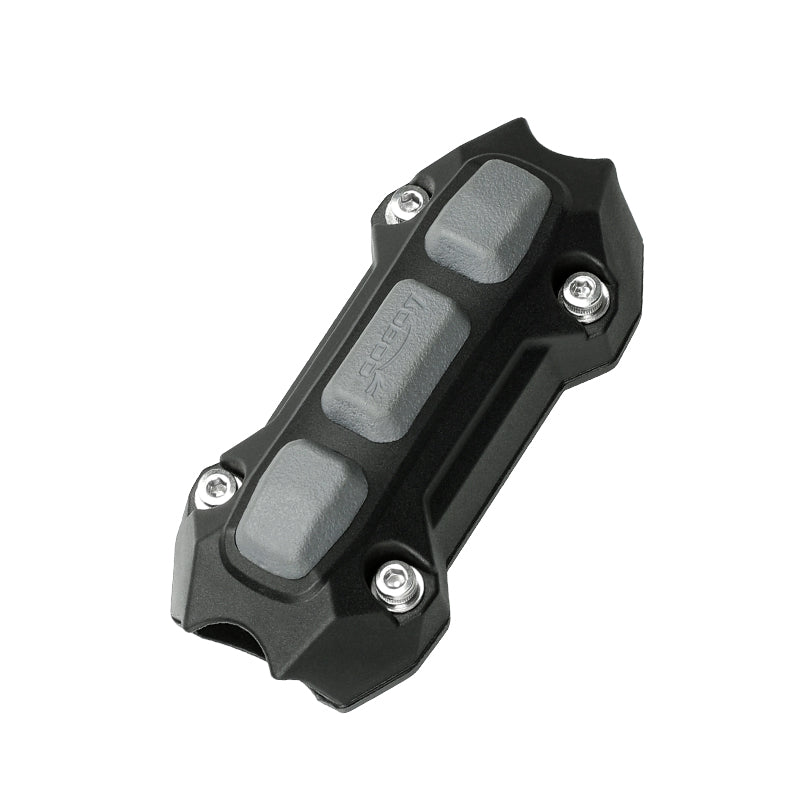
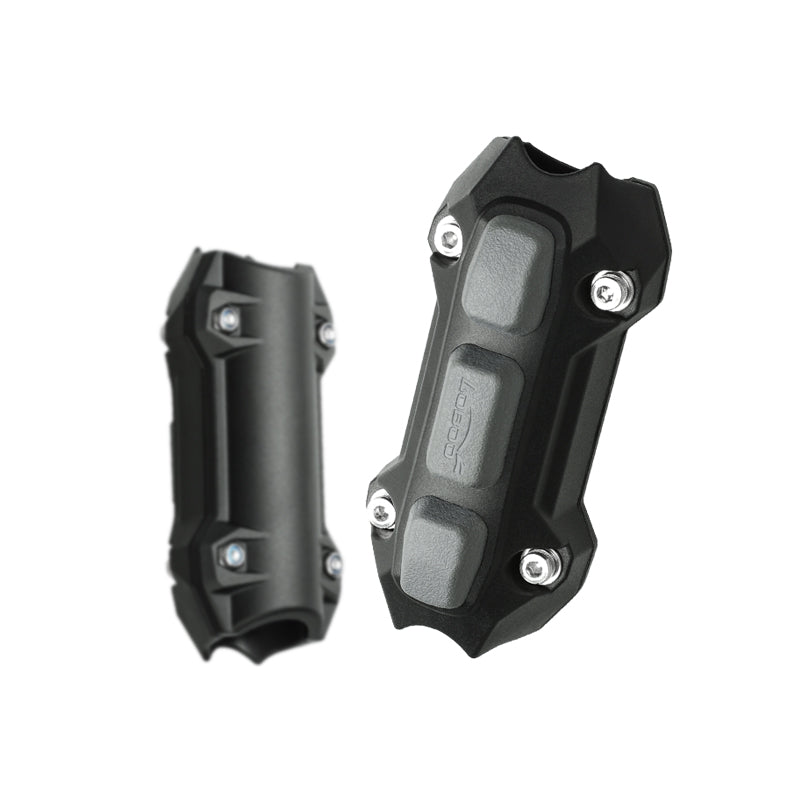
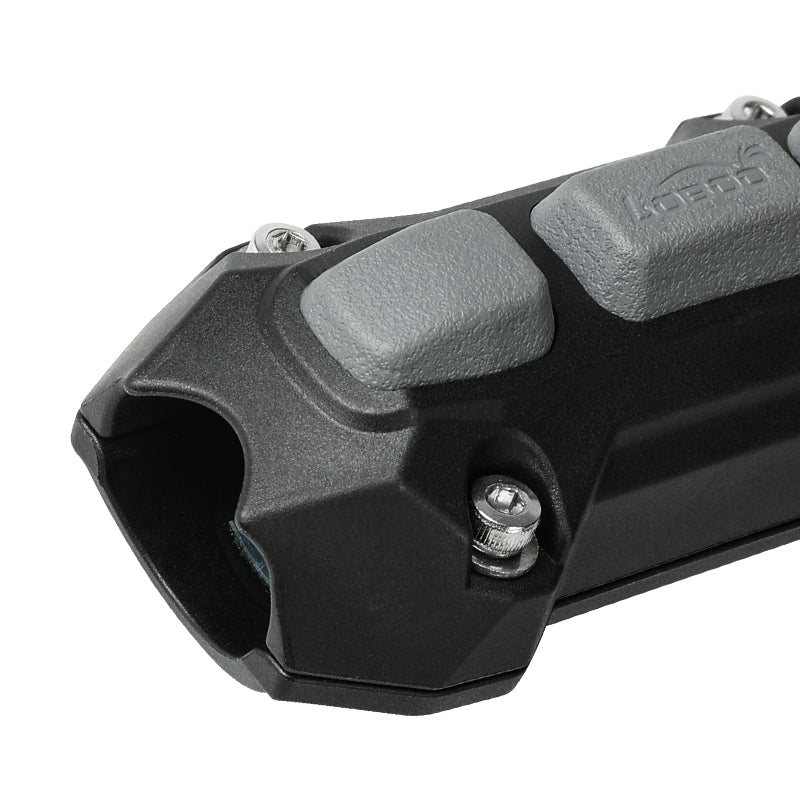
Engine crash bars are often the first sensible upgrade. Here, the difference lies in geometry, mounting points, and impact distribution. A well-designed system protects the bike without interfering with routine maintenance, footpegs, or air ducts. Not all crash bars offer the same level of coverage: some prioritize compactness, while others better protect the bike's upper areas. It depends on where you want to use the Tiger.
The lower engine guard deserves the same attention. On asphalt it may seem secondary, but as soon as rocks, steps, or loose surfaces become more common, everything changes. A good engine guard should cover the sump and exposed parts without reducing useful ground clearance too much. Material, thickness, and bracket quality matter more than the component's mere presence.
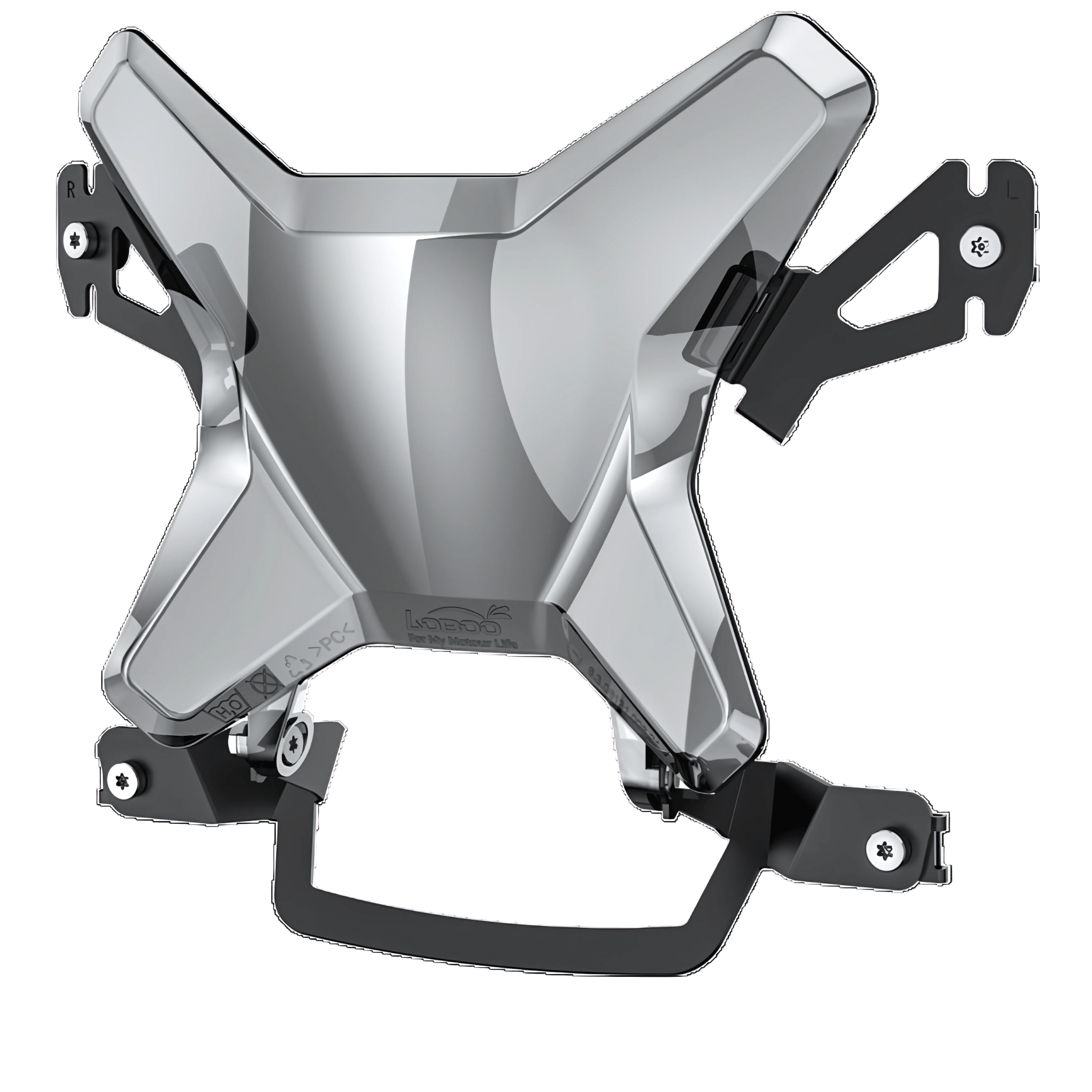
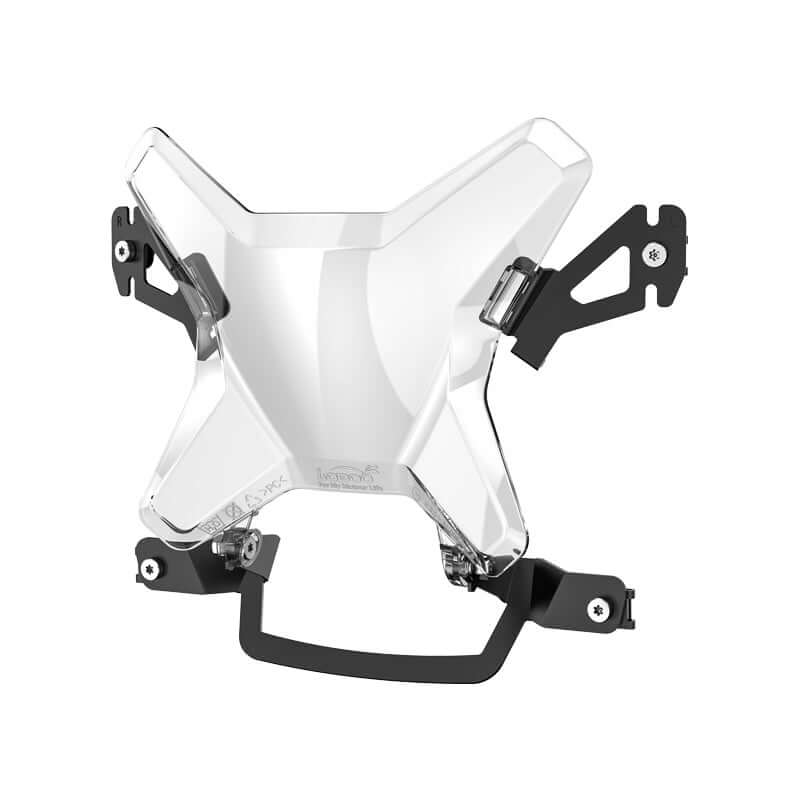
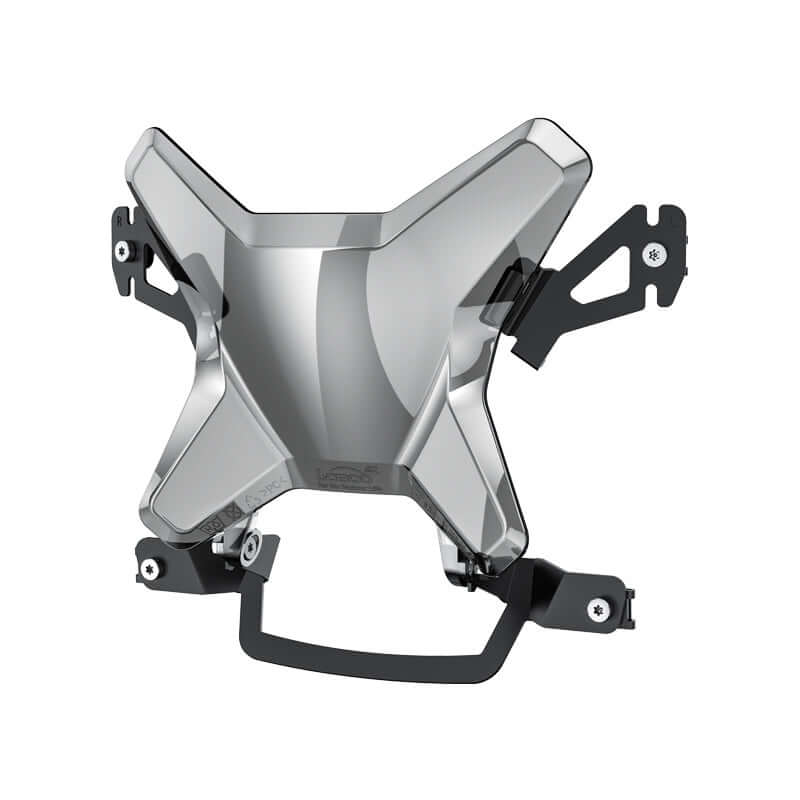
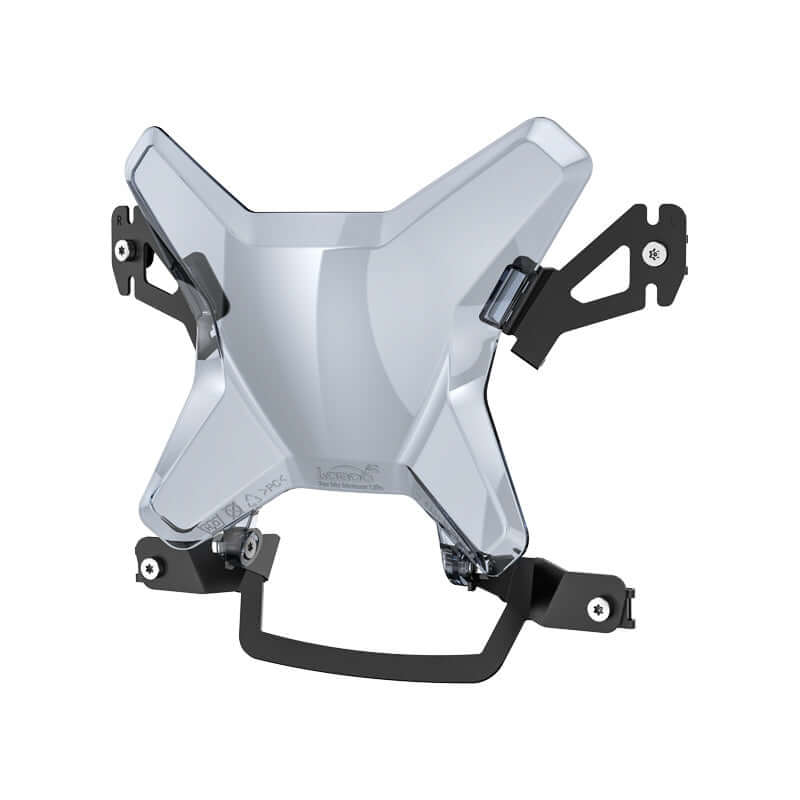
Completing the package are radiator, crankcase, engine cover, and headlight guards. They are less conspicuous accessories, but often very smart choices on a bike designed to travel far. If you travel frequently, preventing minor damage can avoid a breakdown at the worst possible moment.
Panniers and luggage systems: capacity, but with common sense
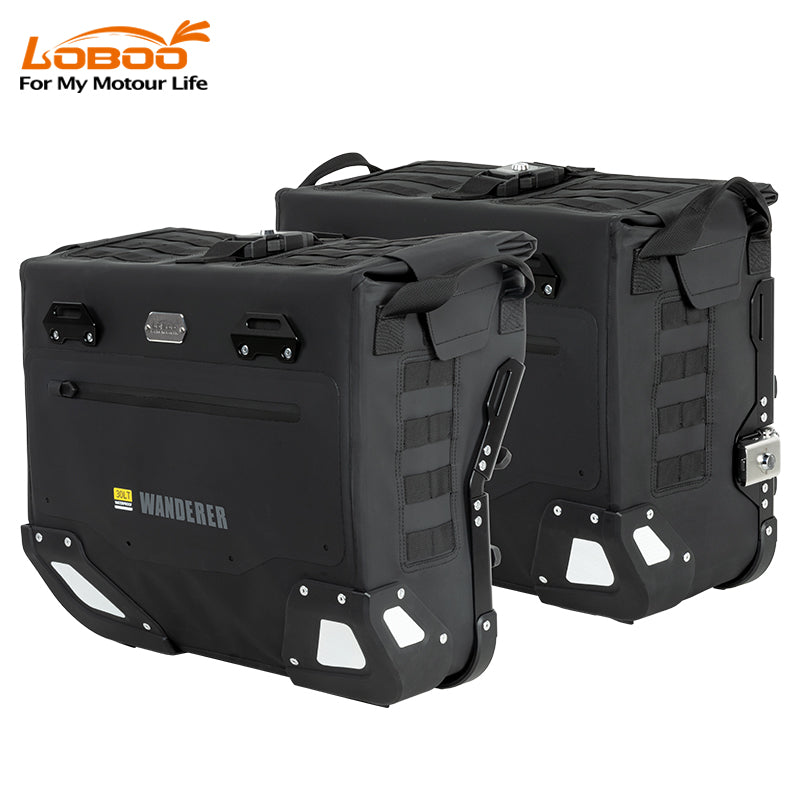
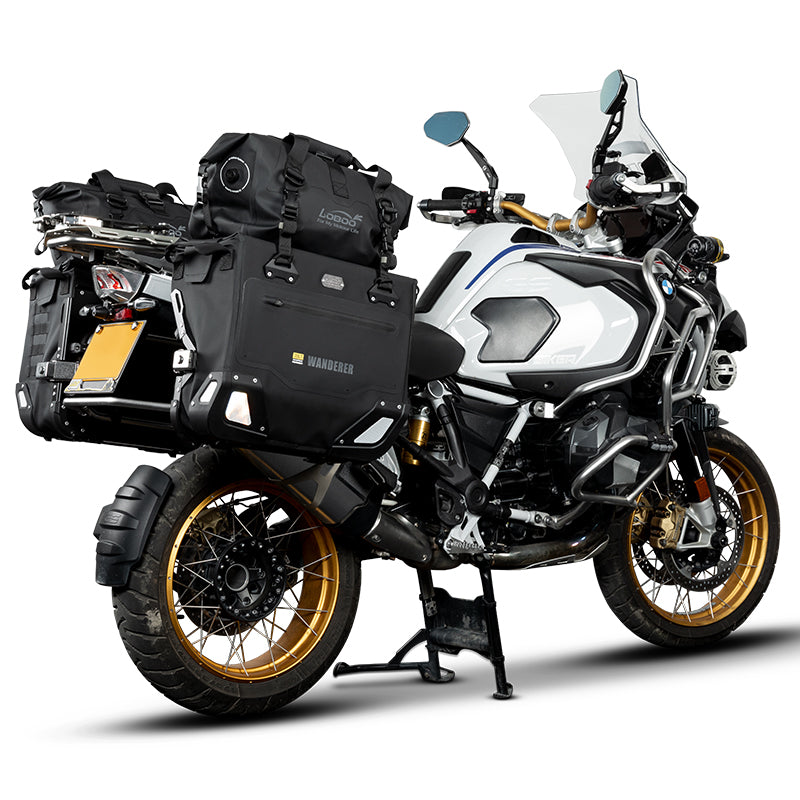
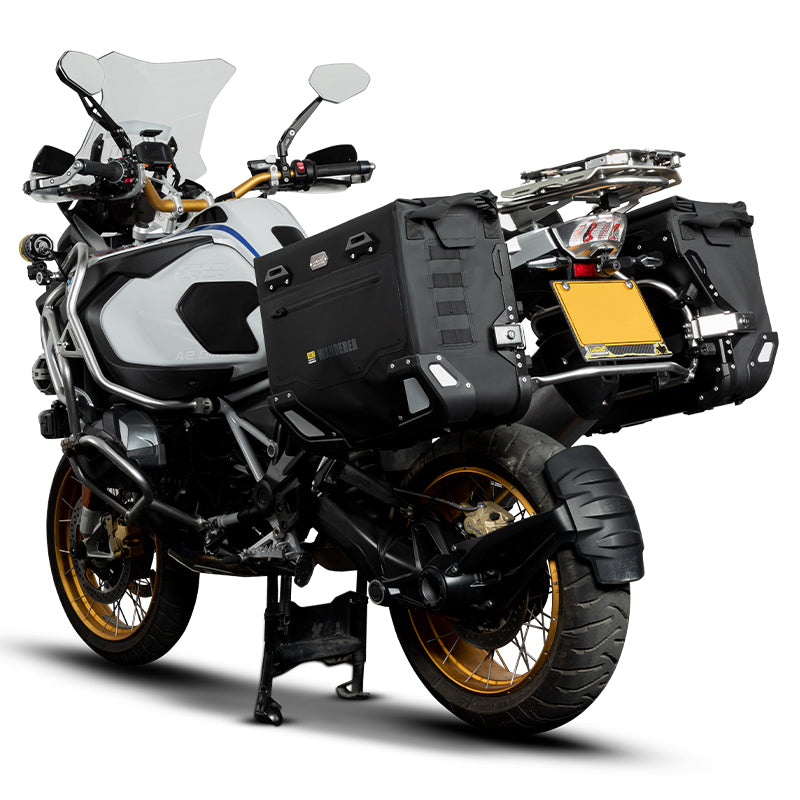
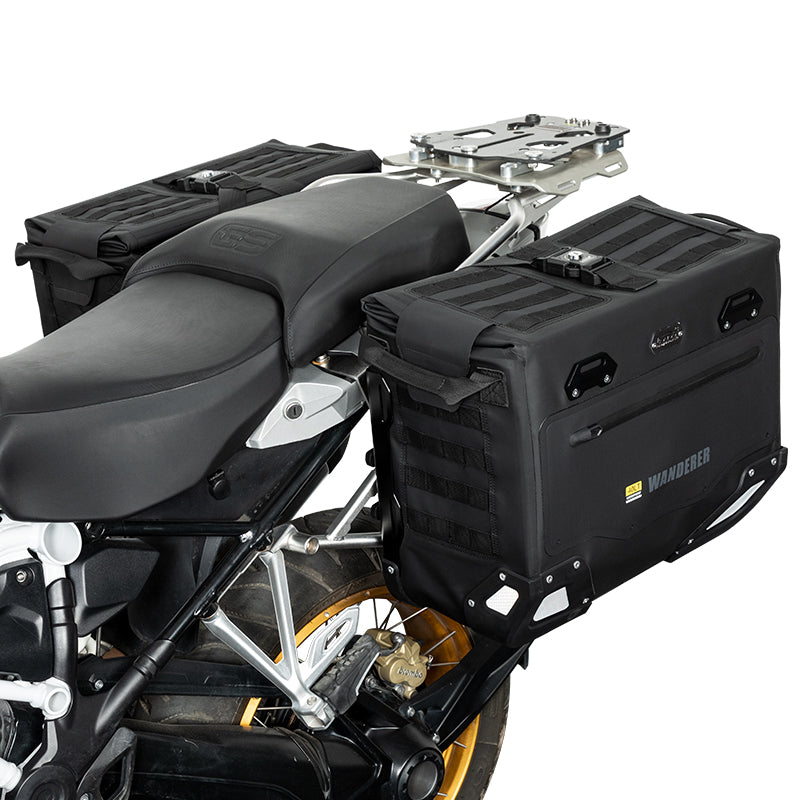
The Tiger 900 is built for travel, but the way you carry your luggage significantly changes the bike's behavior. Here, the choice is mainly between aluminum panniers and semi-rigid systems. The former are ideal for long-distance touring, frequent fully loaded use, and maximum structural strength. The latter make sense when you want to reduce weight, bulk, and lateral rigidity, especially in mixed use.
Aluminum panniers remain a very popular solution for riders traveling with equipment, technical clothing, and complete self-sufficiency. They offer practicality, protection for their contents, and a solid platform for additional accessories. On the other hand, they increase weight and width, which is noticeable off-road, especially during slow maneuvers.
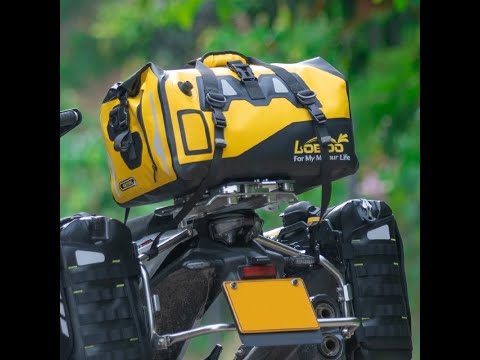
Semi-rigid systems, on the other hand, work well for riders who alternate between transfers, mountain passes, and unpaved sections. They are less intrusive and often more forgiving in the event of an impact or low-speed fall. They are not always the best choice for those carrying a lot or seeking maximum capacity, but in many adventure configurations they are more balanced.
The top case should be evaluated carefully. It is convenient, especially on medium-distance trips and for everyday use, but if loaded incorrectly it can shift the weight too high and too far back. On the Tiger 900, it works well when it is genuinely needed, not as a universal solution for everything. Very often, a seat bag or a well-distributed side set-up provides more neutral handling.
Comfort and ergonomics: the difference adds up mile after mile
A bike can look good on paper and be tiring in practice. This is where the handlebars, footpegs, seat, windscreen, and small ergonomic components come into play. The riding position on the Tiger 900 is already well designed, but only minor changes may be needed to adapt it to your height, riding style, and type of route.
Handlebar risers are particularly useful for those who often ride standing or want a more natural posture over long distances. They should not be chosen randomly: raising the handlebars too much can alter the feel of the front end and create compromises with cables and hoses. If you do a lot of light off-road riding, correct adjustment improves control and reduces fatigue. If you ride only on asphalt, the change should be calibrated more carefully.
Footpegs can also transform the riding experience. A wider platform provides better support when standing, greater stability on uneven surfaces, and increased confidence with adventure boots. The benefit is less noticeable on the road, but it remains valuable on long trips and during changing riding conditions.
The windscreen is one of the most subjective accessories of all. Rider height, helmet, seating position, and average speed radically change the result. A taller windscreen can reduce air pressure, but if it creates turbulence in the wrong place, it worsens comfort instead of improving it. Here, size is not the only factor: shape, angle, and mount quality matter too.
Navigation, mounts, and power supply
On a bike designed for serious travel, the navigation setup must be stable, readable, and durable. An improvised mount may be fine for urban use, but not for thousands of miles on different surfaces. The Tiger 900 requires solid solutions, with secure mounting and visibility that works with the instrument panel.
The classic smartphone mount works well if you use navigation apps on the road and take relatively straightforward trips. However, if you tackle long journeys, rain, vibrations, and less direct routes, a dedicated GPS is often the more reliable choice. A smartphone is versatile, but it is more vulnerable to overheating, battery drain, and instability in demanding conditions.
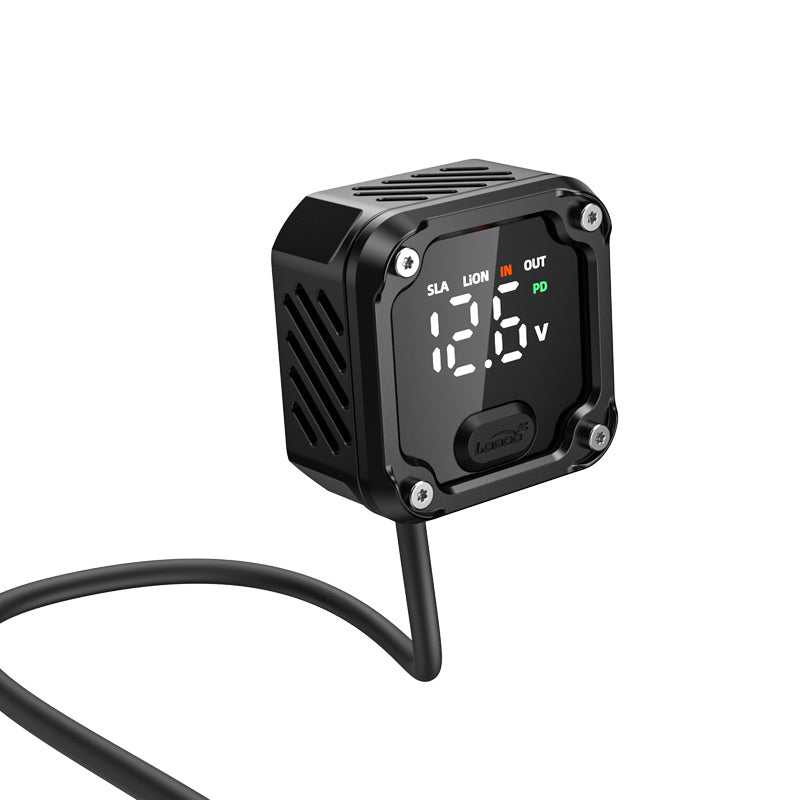
Power supply is also essential. USB outlets, charging systems, and wiring should be installed neatly and protected. A poorly installed electrical accessory creates problems when you least expect them. In this respect, the rule for long journeys always applies: less improvisation, more reliability.
Lighting and visibility: see and be seen
If you use the Tiger 900 in every season or set off early in the morning to cover long distances, auxiliary lighting has a practical purpose. This is not an aesthetic detail, but a real extension of your safety margin.
Additional lights help with peripheral vision, reading the road surface, and making the bike more noticeable to other vehicles. The difference is especially noticeable in rain, fog, on secondary roads, and during nighttime transfers. Here too, however, balance is essential: power, beam pattern, brackets, and integration with the electrical system must be consistent with both the intended use and the bike.
Good lighting does not replace the correct setup or caution, but it expands your control in situations where the standard lights may only be sufficient up to a point.
Typical configurations for the Tiger 900
For road touring, priority usually goes to side panniers, a well-chosen windscreen, a stable navigation mount, and some ergonomic improvements. In this case, protection remains important, but is geared more toward safeguarding the bike during travel than dealing with obstacles.
For mixed use, the configuration changes. It is better to focus on a serious engine guard, protective bars, footpegs better suited to standing riding, lighter luggage, and clean weight distribution. The bike remains ready for travel, but offers greater control when the asphalt ends.
For long, fully loaded trips, the key is balance. Load, comfort, and protection must work together. This is where a well-chosen selection, like the one sought on Endurrad, really makes a difference: not because you have more accessories, but because you have the right ones on the right bike.
Preparing a Tiger 900 properly means making it better suited to the way you travel, not turning it into a traveling catalog. When every component has a clear function, the bike becomes easier to manage, more effective, and more ready to take you far, across any terrain that makes sense to tackle.


Share:
Motorcycle mechanical cruise control: is it really necessary?
Yamaha Ténéré 700 travel accessories: what you need