

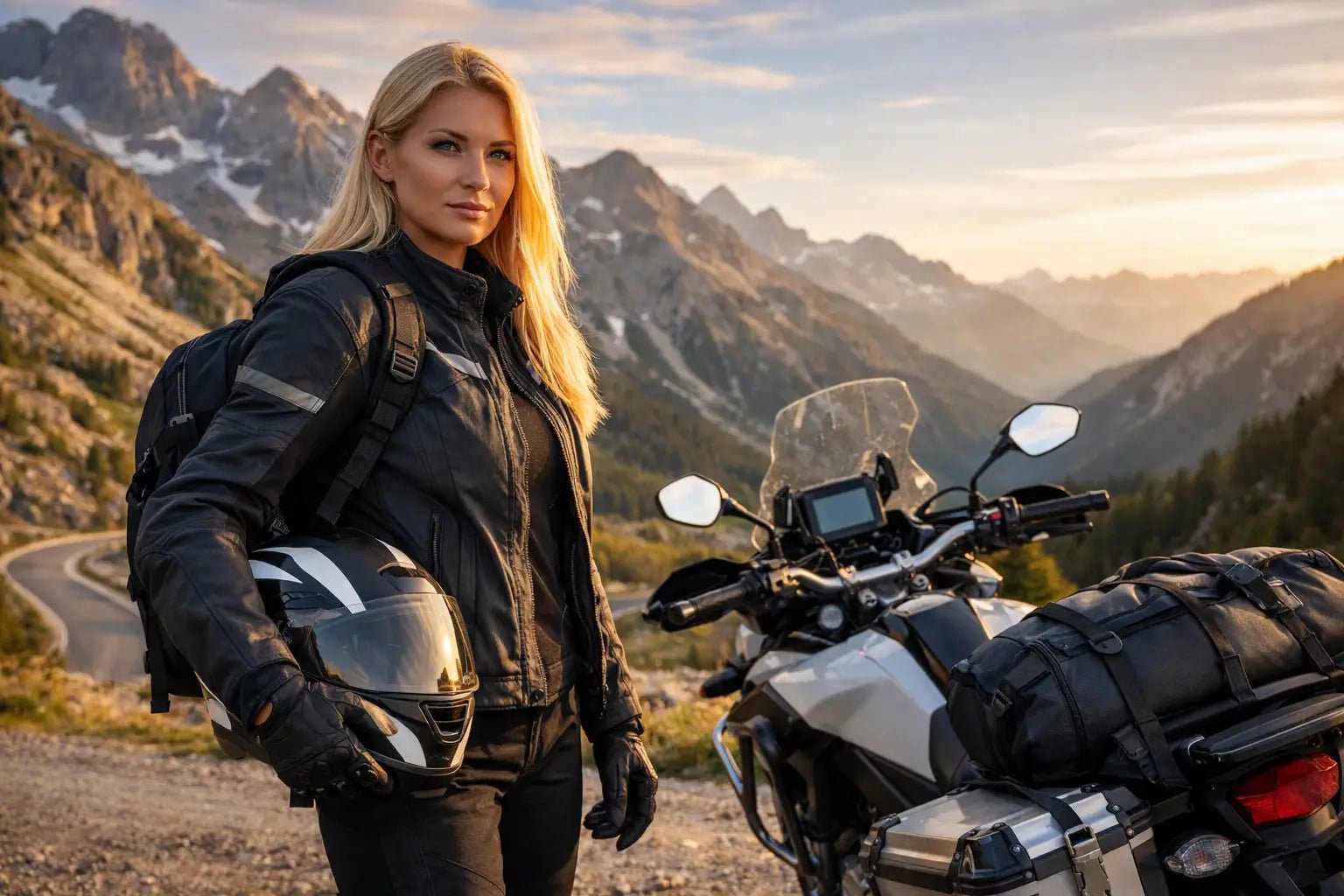
When you watch Bezzecchi up close, what’s interesting isn’t just how fast he goes. It’s how he uses the bike. Every entry, every correction, every braking phase reminds you of one simple truth: control comes before spectacle. For anyone preparing an adventure or touring bike for covering serious mileage, that matters more than any slogan.
In serious motorcycle touring, where you go from fast asphalt to rough gravel and may end the day with rain, darkness, and fully loaded luggage, the right approach isn’t to chase extreme moves. It’s to build a bike that leaves you a margin for error. In this sense, Bezzecchi is a useful reference not because you should ride like a MotoGP racer, but because his style makes it clear what really makes a difference when you ask a lot of a motorcycle.
Bezzecchi and the value of control
Anyone who genuinely rides fast knows the difference between reaction and precision. A bike that responds well isn’t one that feels nervous at the first input. It’s one that, after six hours in the saddle, continues to do exactly what you ask. Bezzecchi focuses heavily on this principle: clean entry, managed load, composed motorcycle. Applied to your world, that means prioritizing setup, ergonomics, and weight distribution before accessories chosen solely for appearance.
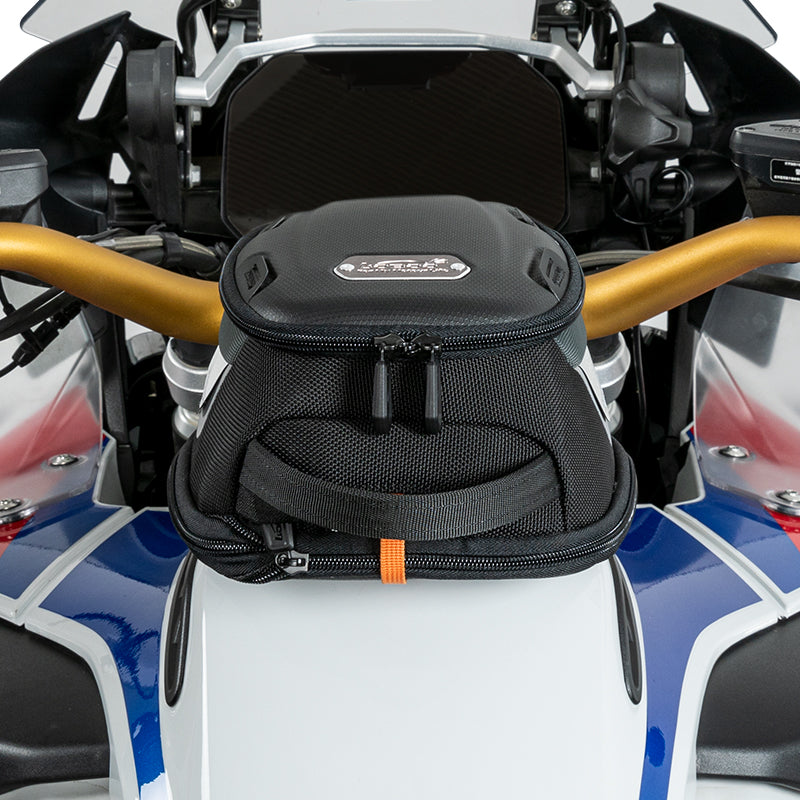
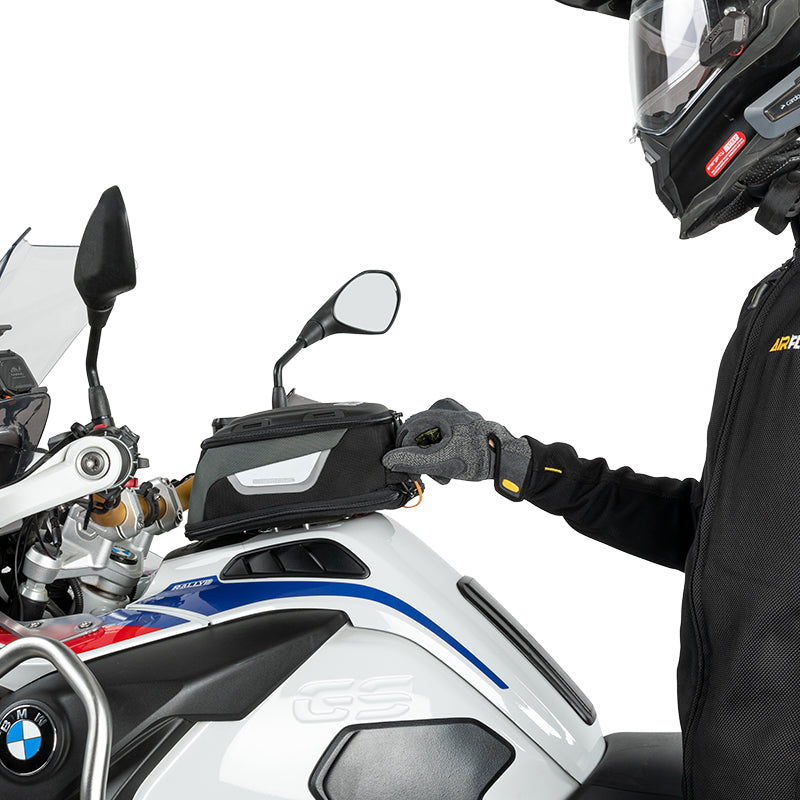
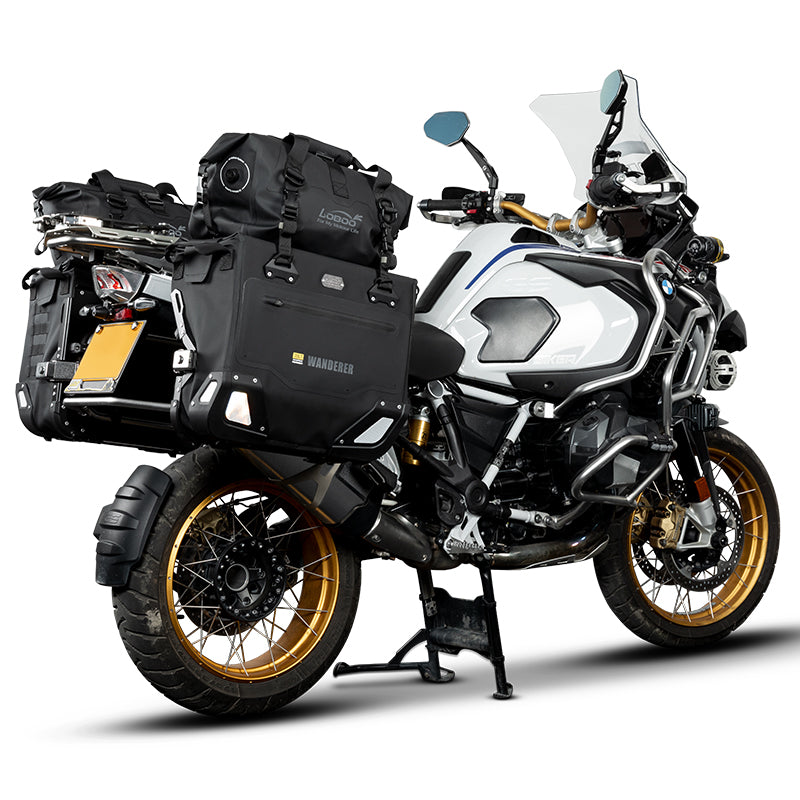
On a BMW R 1250 GS or a KTM 890 Adventure, for example, two apparently similar setups can behave very differently simply because of how the load has been arranged. A pair of panniers that stick out too far, a heavy top case mounted high, or a tank bag that restricts your movement when standing on the footpegs: it doesn’t take much to end up with a bike that’s harder to read under braking and more tiring through changes of direction.
This is the first practical lesson: useful performance, on the road and during a trip, comes from predictability. Not reactivity for its own sake.
What you can learn from Bezzecchi about preparing your bike
The classic mistake when preparing an adventure bike is to start with the catalog instead of with how you will use it. First the auxiliary lights, then the luggage, then perhaps the navigation mount. In reality, it makes more sense to think in reverse: where you’re going, how much luggage you carry, how many hours you stay in the saddle without really stopping, how much off-road riding you do, and at what pace.
Bezzecchi teaches you that everything starts with your position and confidence in the front end. If the handlebar is too far back for your height, if the footpegs don’t let you maintain stable support when riding standing up, or if the seat forces you into the same posture all the time, the problem isn’t comfort in the abstract. The problem is that you start riding worse after the first 200 km.
On a Yamaha Ténéré 700, this is more obvious than on some other bikes. It’s an honest, highly readable base on gravel, but it doesn’t take much to alter its balance: too much weight toward the rear and you lose precision at the front; a windscreen or accessories mounted poorly and fatigue increases at high speed; footpegs that don’t suit your use and you start moving poorly through technical sections. On a BMW R 1300 GS or an Africa Twin, the margin is greater, but the principle remains exactly the same.
Ergonomics first
If you take long trips, ergonomics aren’t a detail. They determine whether you arrive focused during the final hour of riding or not. The handlebar, risers, footpegs, grips, seat, and handguards work together. No single component solves everything on its own.
A handlebar with the right bend can reduce tension in your shoulders and wrists. Wider footpegs improve control while standing, especially if you tackle loose gravel or long transfers interspersed with easy trails. Heated grips aren’t only useful for feeling better early in the morning at altitude: they help you maintain sensitivity in your hands when the temperature drops and you still have many hours ahead.
Protection that doesn’t complicate riding
Another point that emerges when observing people who ride well at speed, not just fast, is that every element must help rather than get in the way. On touring bikes, this applies above all to protection.
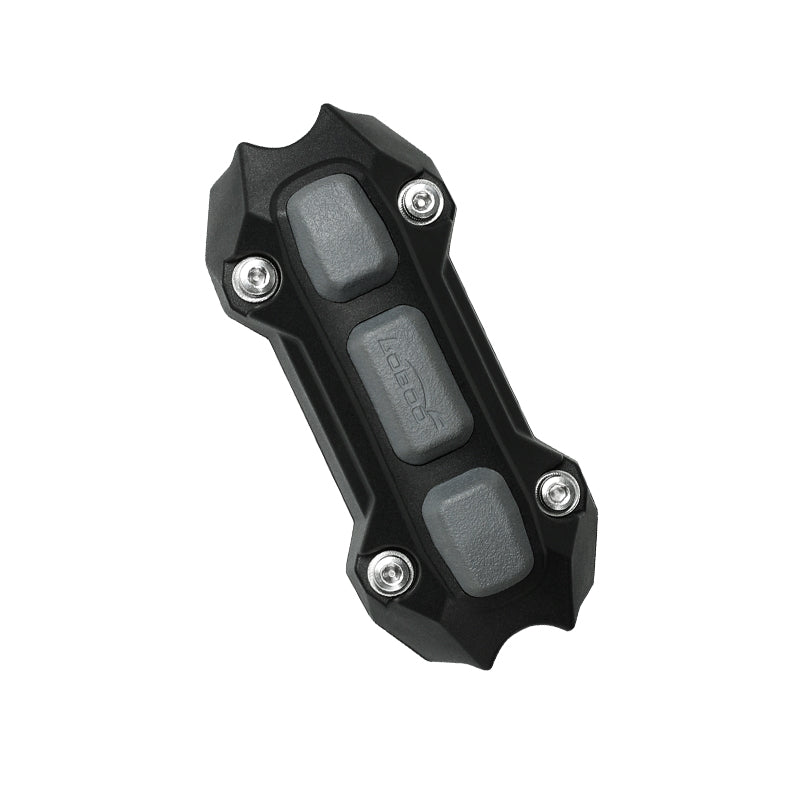
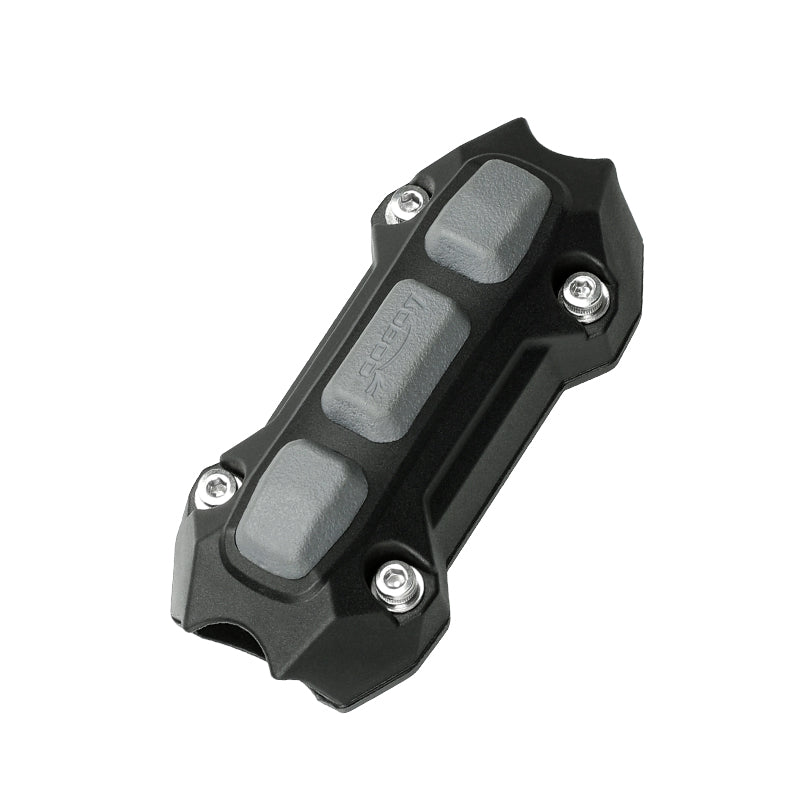
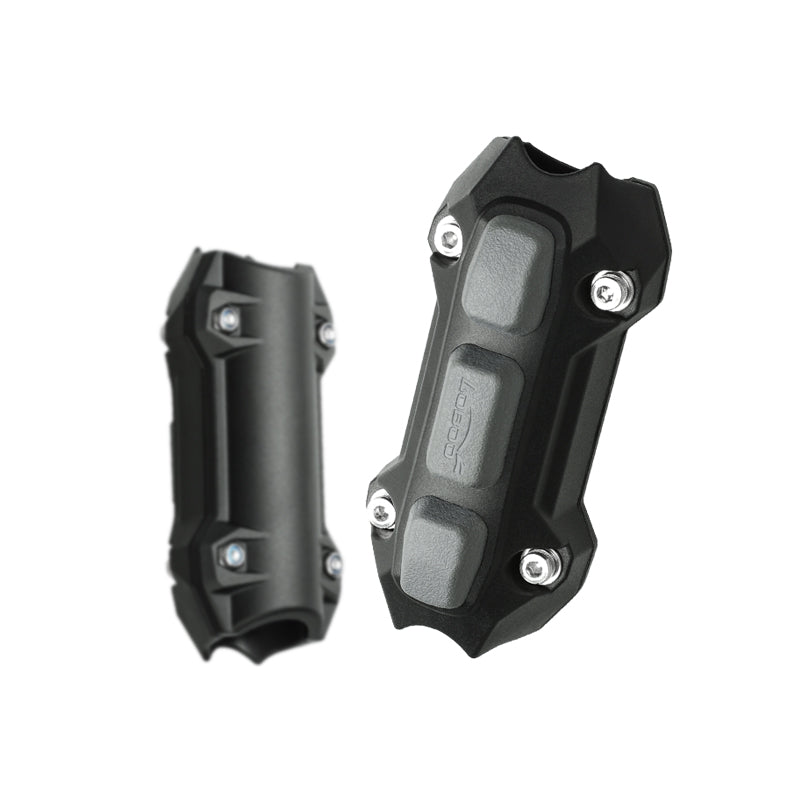
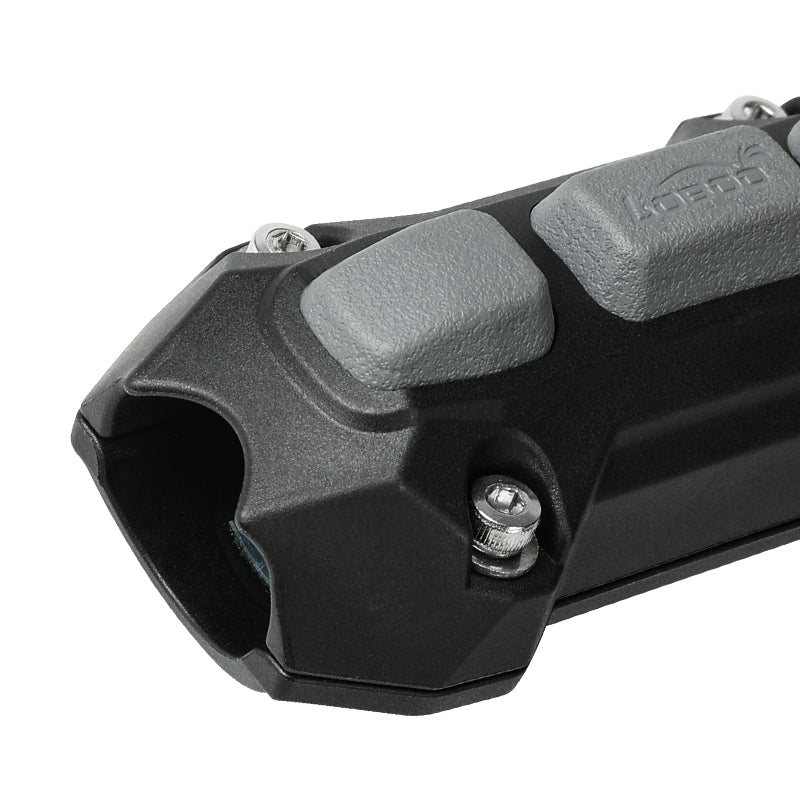
Crash bars, engine guards, and skid plates make sense if they genuinely protect exposed areas without turning the bike into a heavy, bulky block. If you ride moderate off-road terrain, well-designed protection can save you from a stationary tip-over or an awkward landing on rocky ground. If you ride only paved roads with a full load, the priorities change: coverage of vulnerable areas and compatibility with maintenance and accessories matter more.
There is no single right configuration. There is only the one that matches how you use the bike.
Bezzecchi, braking, and reading the terrain
Bezzecchi’s most transferable lesson isn’t corner speed. It’s reading the situation. Understanding in advance what the bike will do, and what the surface will do, matters everywhere. It matters on the track, but also on a gravel-covered military road or a wet Alpine pass with fully loaded panniers.
That’s why tire choice and luggage setup should never be considered separately. A tire with a carcass and tread pattern suited to mixed riding can give you more confidence on gravel, but if you start with the wrong setup and poorly distributed weight, you won’t take advantage of that benefit. Conversely, a more road-oriented tire on a Triumph Tiger 900 or a Ducati DesertX can work extremely well if the trip is mostly asphalt, with only easy detours, and you want consistent stability at speed.
This is also where the lighting system comes into play. Not for appearance, but for reading the road. A good set of auxiliary LED lights, mounted properly, really changes night riding on long transfers or in poorly lit areas. You see the edge of the road sooner, read dips more clearly, and reduce visual fatigue. These are the details that don’t make an impression at the café, but at two in the morning, in the rain, they make a difference.
Proper preparation versus random accessories
Many riders reach the same conclusion after a few serious trips: having more accessories doesn’t mean having a more capable bike. In fact, sometimes the opposite happens. More weight, more mounting points, more bulk, and more things that can move or vibrate.
Sensible preparation starts with three questions. First: what is genuinely limiting you today? Second: does that limitation appear after an hour or after a full day? Third: does the solution improve your riding or merely add complexity?
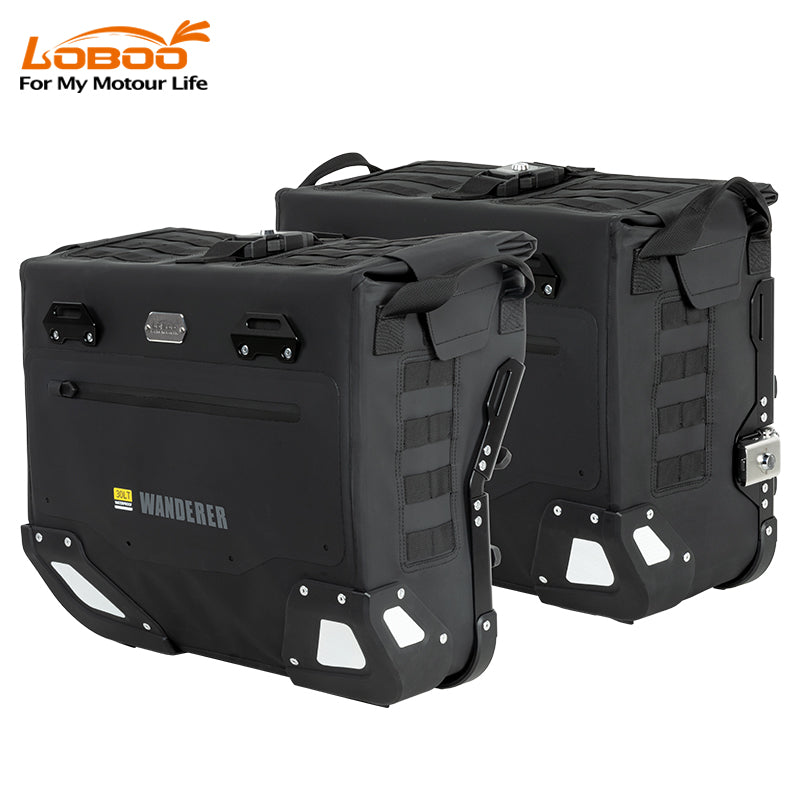
If you often use navigation on long routes, it makes sense to invest in a stable, easy-to-read mount, perhaps with neatly arranged power and resistance to vibration. If you travel independently, a luggage system that stays secure even on undulating gravel is better, with quick access to the items you use frequently. If you face variable weather, technical clothing should be chosen for how it actually manages water, wind, and temperature, not just for the product specifications.
This approach is much closer to that of a racer than it may seem. There too, every modification must have a clear effect. If it doesn’t, it’s just noise.
Weight matters, but where you put it matters more
In the adventure world, there’s a phrase that comes up again and again, for good reason: you feel every kilogram. But not all kilograms feel the same. Ten kilograms low down and close to the bike’s center are different from ten kilograms mounted high and toward the rear.
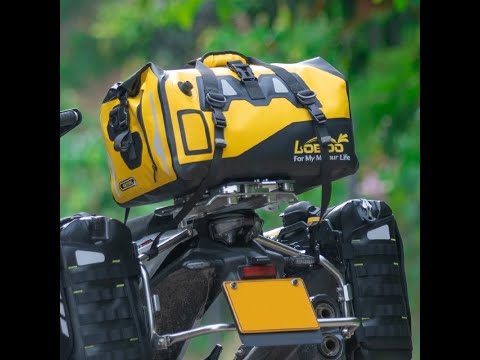
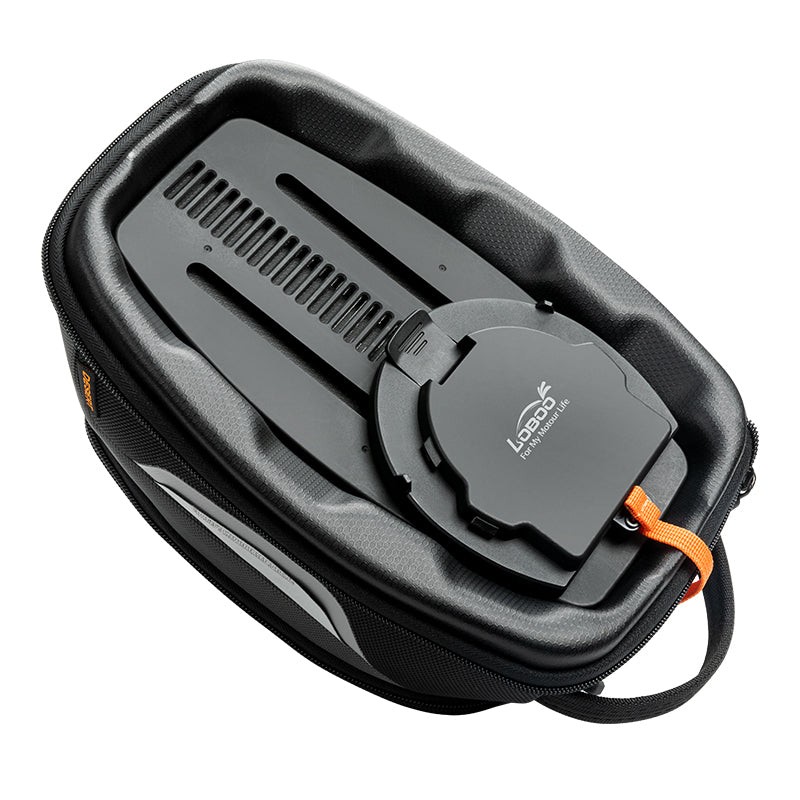
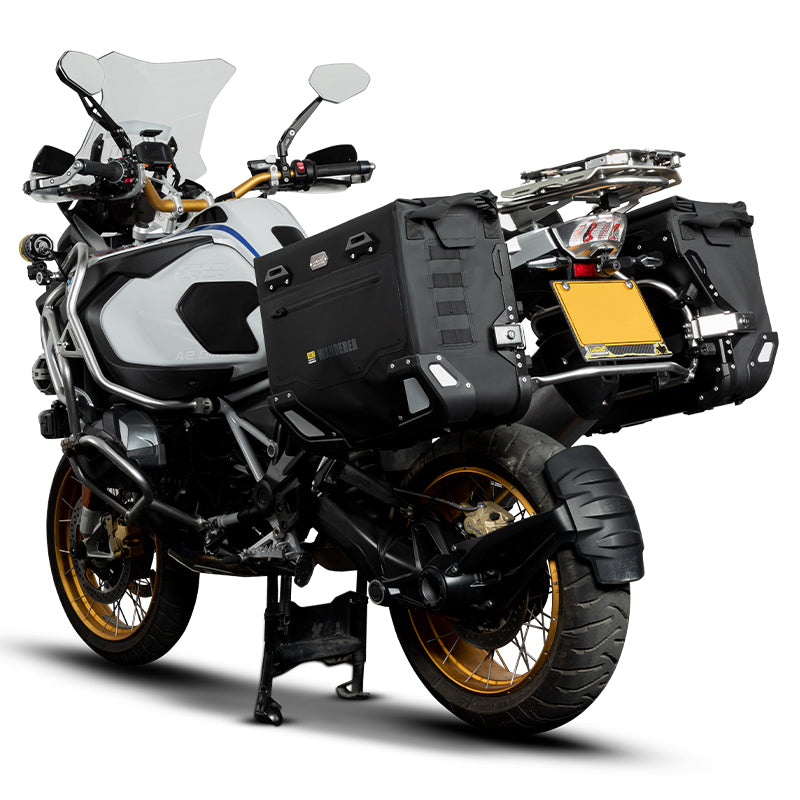
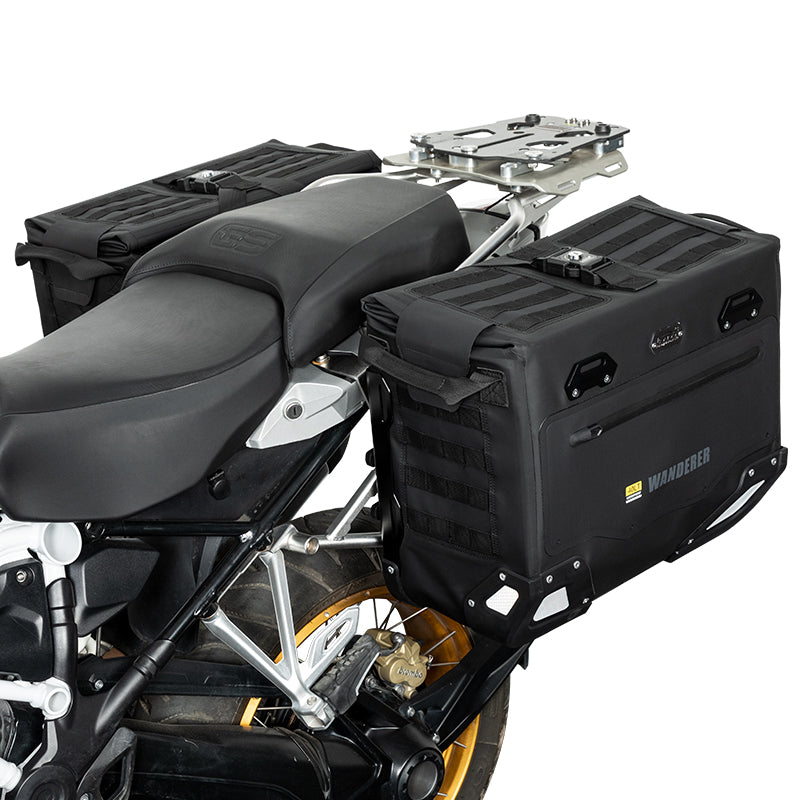
That’s why side panniers, soft bags, tank bags, and top cases shouldn’t be chosen solely by capacity. What matters is how you load them, how often you open them, and how quickly you can move the weight you use every day. On a Royal Enfield Himalayan or an F 850 GS, the difference is immediately noticeable. On larger bikes, you can hide it better, but after many hours it still becomes apparent.
If your trip includes a lot of off-road riding, it’s often best to lighten the upper part of the bike as much as possible and keep dense, heavy items low down. Tools, repair kits, and carefully considered spare supplies should be planned with this logic in mind. This isn’t forum theory. It’s what keeps the bike from feeling sluggish when changing direction and less predictable during slow maneuvers.
Why referring to Bezzecchi makes sense even away from the track
There’s a common misconception that what you see in racing has nothing to say to people who travel. In reality, the opposite is true if you focus on the right things. You don’t need to copy a racer’s technical movements. You need to understand the principles underneath them: sensitivity, consistency, confidence in the machine, and reducing unnecessary variables.
They’re the same principles you use to prepare a bike for a genuinely good departure. A navigation mount that doesn’t vibrate. A set of panniers that doesn’t make the rear too wide. An engine guard that doesn’t complicate routine maintenance. A seat that doesn’t force you to change position every ten minutes after 700 km. A pair of lights that lets you see clearly when the day runs longer than expected.
From this perspective, even a specialized e-commerce store like Endurrad only makes sense if it helps you make this selection. Not fill up the bike, but eliminate technical doubts and choose components that match the way you ride.
In the end, the point isn’t to ride like Bezzecchi. It’s to prepare your bike so that when the surface changes, the weather turns, and fatigue sets in, you still have control, focus, and a margin for error. That’s when a trip truly succeeds.



Share:
Aprilia Tuareg 660: how to prepare it for travel, real protection and luggage
Moto Guzzi 1000 SP: What You Really Need to Know