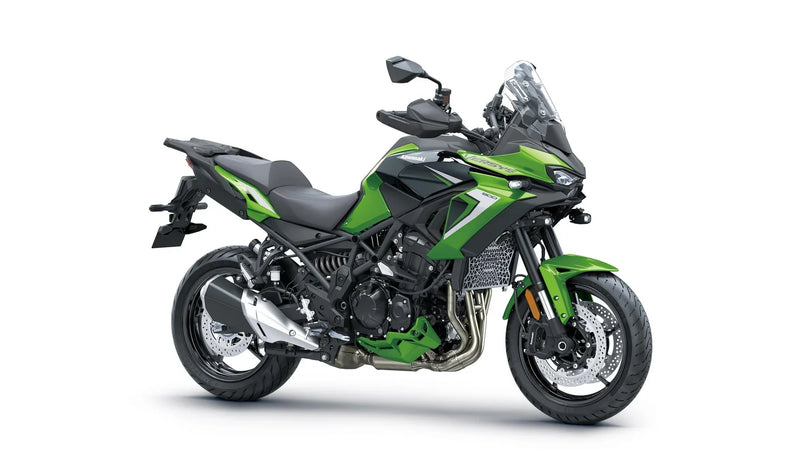
A KTM Adventure loaded for a trip has one huge advantage and an equally clear drawback: it encourages you to push farther. Fast dirt roads, fully loaded maneuvers, U-turns on slopes, improvised parking. It is precisely in these moments that a KTM Adventure crash bar stops being a cosmetic accessory and becomes a technical choice that can make the difference between a manageable slide and costly damage to the tank, radiator, or fairings.
Why a crash bar really matters on a KTM Adventure
On large enduro and mid-displacement adventure bikes, side protection is not only useful in the event of a serious crash. Much of the damage comes from far more ordinary incidents: losing balance while stationary, a wheel slipping on gravel, or a slow maneuver with luggage and a passenger. On a KTM Adventure, where weight, size, and exposed components are part of the package, protection bars help create a first point of contact with the ground and limit the impact on sensitive areas.
This does not mean that all bars offer the same results. Some prioritize high fairing coverage, others protect the engine area better, while others aim to keep weight and width to a minimum. The right choice depends on how you actually use the bike, not on how aggressive the tube looks once installed.
KTM Adventure crash bar: what to consider before buying
The first criterion is genuine compatibility with the model. "KTM Adventure" can refer to very different platforms: 390 Adventure, 790 Adventure, 890 Adventure, 1090, 1190, 1290 Super Adventure. Frames, bodywork, mounting points, engine dimensions, and the presence of accessories already installed all vary. A well-designed bar is developed around a specific motorcycle, not as a generic adaptation.
Next comes the structure's design. The most effective bars distribute the load across multiple mounting points without concentrating all the force in a single area. This is a technical detail that matters more in real use than the stated tube diameter. A seemingly massive structure that is poorly mounted can transfer the impact where it should not.
Then there is the question of materials. Steel remains the most common and sensible choice for riders who genuinely travel and ride off asphalt. It offers strength, a certain tolerance for impacts, and often better repairability in the event of bending or use-related marks. Stainless steel adds corrosion resistance but can affect cost and weight. Aluminum is less common in this field for specific reasons: when the goal is to absorb and manage repeated impacts, steel remains the more convincing solution.
High, low, or full protection
This is where the classic "it depends" that every experienced motorcyclist knows comes into play. If you mainly use the bike on asphalt for medium- to long-distance touring, a well-designed lower protection bar may be enough to protect the engine cases and lower section during light slides or stationary falls. It keeps the bike's lines cleaner, often weighs less, and may leave more room for maintenance and accessories.
If, on the other hand, you ride genuine dirt roads, travel over uneven surfaces, or often ride with luggage, a structure that rises to protect the upper section as well makes more sense. In slow falls on rough terrain, the contact point can easily extend beyond the lower section. The side fairings, ducts, and in some cases the radiator can become vulnerable.
The complete solution, lower plus upper protection, is often the best choice for riders preparing a KTM Adventure for serious mixed use. It comes at the cost of additional weight, bulk, and sometimes more complex installation, but offers coverage that is more consistent with the bike's character. If your goal is to set off fully loaded without worrying too much about the first wrong-footed stop, this is the configuration that makes the most sense.
The most common mistakes when choosing a KTM Adventure crash bar
The number one mistake is buying based only on design. The product page may highlight the finish, aggressive lines, and generic promises of total protection, but what really matters is how the bar works once installed. Mounting points, clearance from the plastics, compatibility with the engine guard, footpegs, auxiliary lights, and soft luggage all matter.
The second mistake is ignoring the added weight. On a modern adventure bike, especially one already equipped with panniers, a plate, lights, navigation, and other accessories, every component adds weight. An excessively heavy crash bar will not ruin the bike, but it changes the feel of the front end, handling during slow maneuvers, and fatigue over long days. If you do a lot of technical off-road riding, this deserves attention.
The third mistake is believing that a bar makes the bike indestructible. No system completely eliminates the risk of damage. A crash bar reduces exposure of the most delicate parts and can save a trip, but even premium protection has limits in a severe impact. A smart buyer thinks in terms of damage reduction, not invulnerability.
Installation and integration with other accessories
A good bar must integrate with the rest of the setup, not complicate it. If you have already installed an oversized engine guard, radiator guards, auxiliary lights, or adventure footpegs, always check that the system is compatible without makeshift modifications. The best solutions are designed as part of a technical ecosystem, not as isolated components.
Routine maintenance should also be considered. Some crash bars require partial disassembly to access engine areas easily or carry out simple work. This is not necessarily a flaw, but it is a compromise to understand beforehand. On a bike designed to cover many miles and tackle remote routes, every task made slower adds up over time.
During installation, precision matters more than speed. Correct torque settings, alignment without tension, quality hardware, and a check after the first few miles are essential steps. A poorly installed bar can vibrate, work under torsion, or even stress the mounting points. Anyone preparing a bike for genuine travel should not leave these details to chance.
How to choose based on how you use your KTM Adventure
If your bike is used mainly for commuting, quick weekends, and road touring, choose a crash bar that protects the lower area well, does not widen the bike's profile too much, and keeps maintenance access straightforward. In this scenario, the best accessory is the one that does its job without unnecessarily weighing the bike down.
If you alternate between asphalt, unpaved roads, and multiday trips, it is worth investing in more extensive coverage and a structure with well-distributed mounting points. This is the typical KTM Adventure use profile and the one in which the difference between a generic bar and one designed thoughtfully is most noticeable.
If your plans include frequent off-road riding, long-distance trips, and full luggage, functional protection becomes the priority. In this case, it is worth accepting a few extra pounds and choosing a system genuinely ready for intensive use, perhaps coordinated with a skid plate, additional protection, and a compatible luggage solution. On such versatile platforms, the bike performs at its best when the accessories work together.
For online shoppers, browsing by model remains the safest way to avoid mistakes. On a specialized catalog such as Endurrad, this approach helps quickly filter the correct options by year and version, reducing the risk of installing components designed for a different platform.
Is it worth spending more?
In most cases, yes, but selectively. Spending more makes sense when you get model-specific design, careful welds, a durable finish, declared compatibility with real accessories, and a brand that understands adventure use. It does not make sense to pay only for a more aggressive look or a name without concrete technical benefits.
On a KTM Adventure, the cost of a good crash bar should be compared with the value of the components it protects and the type of trip you have planned. A minor fall far from home can turn into a bike being out of service, lost time, and expenses that far exceed the difference between an inexpensive solution and a well-made choice from the outset.
The right bar is not meant to show off the bike at the mountain pass café. It is meant to set off with one less worry, knowing that your KTM is ready to withstand the unexpected events that are part of every real journey. If you are preparing the bike for the next season, choose the crash bar as you would choose a tire or luggage system: based on where you want to go, not just on how it looks in the garage.