Free shipping on orders over €100 · 14-day returns

Yamaha Ténéré 700 travel accessories: what you need

Yamaha Ténéré 700 travel accessories: protection, luggage, comfort, navigation, and lights. What to really choose to travel better.

Aggiornato il 7 min di letturaMotorcycle Accessories News
Accessori Yamaha Ténéré 700 viaggio: cosa serve - Endurrad®

Anyone who actually prepares a T7 for a trip knows: the difference between an enjoyable motorcycle and one ready to tackle days of asphalt, gravel, and heavy loads lies in the right accessories. When it comes to Yamaha Ténéré 700 travel accessories, the point isn't to load the bike with components, but to choose those that improve range, protection, comfort, and luggage management without compromising its balance.

The Ténéré 700 is well-designed from the start. It has a solid foundation, a reliable twin-cylinder engine, honest handling, and a genuine calling for mixed use. This is precisely why it needs to be accessorized thoughtfully. Every added component changes weight, bulk, load distribution, and ease of use. On a bike like this, selection matters more than quantity.

Yamaha Ténéré 700 Travel Accessories: Where to Start

The first mistake is starting with aesthetics. The second is copying the setup of someone whose usage differs from yours. A Ténéré used for long weekend asphalt rides with some gravel roads requires different choices than a bike loaded for a two-week trip with real off-road sections.

The correct approach is simple: first protection and load capacity, then comfort, and finally navigation and details. This is a logical order because stationary drops, long transfers, and the need to carry everything come before any secondary accessory.

Protection: The Technical Foundation of a Travel Motorcycle

On a Ténéré 700 destined for travel, protection is not an extra. It is part of the preparation. Skid plates, crash bars, and protection for exposed components serve to limit damage from low-speed falls, impacts on rocks, and the classic unforeseen events of a trip.

The skid plate must be truly structural, with adequate coverage on the bottom and sides. It's not enough to shield just the bare minimum. If you ride on gravel, protection against sharp impacts and debris is a technical requirement, not a preference. Side crash bars also make sense, but here lies the first compromise: more protection means more weight. If your use is primarily on roads, you can opt for a less intrusive configuration. However, if the bike will see trails, rocks, and slow maneuvers with a full load, it's worth considering comprehensive protection.

Robust handguards, radiator guards, and, where provided, headlight covers or sensitive component covers should also be considered. These accessories have little impact on daily use but can prevent concrete problems far from home.

Panniers and Bags: Load Capacity Without Penalizing Riding

Luggage management is probably the most delicate issue when choosing accessories for a Yamaha Ténéré 700 for travel. The right question is not how much capacity you need in absolute terms, but how much capacity you can use well.

Aluminum panniers remain a highly appreciated solution for their strength, load organization, and ease of access. On long asphalt journeys, with organized stops and the need to transport equipment, they offer real practicality. However, they have bulk, weight, and greater rigidity, which can be less favorable off-road.

High-end semi-rigid or soft bags are often more suitable for those who want to maintain a freer ride on mixed terrain. They weigh less, absorb vibrations better, and, in the event of a fall, reduce some risks associated with rigid edges. On the other hand, they require more careful management of internal organization and fastening.

The top case also needs careful consideration. It is convenient, especially for touring and daily use, but loading weight very high and very far back changes the bike's behavior. On a T7, it can make sense for those who ride more on roads than off-road, less so for those seeking the best control on uneven surfaces.

The best choice depends on the itinerary, the type of accommodation, the amount of technical equipment, and how often you want to unload your luggage. In general, the most effective setup is one that centralizes weights and keeps the bike manageable even when fully loaded.

Frames, Supports, and Fastening

It's not just about the bag or pannier. It's about the complete system. Side frames, luggage racks, and fastening points must be compatible with the Ténéré 700 and designed to withstand vibrations, torsion, and intensive use.

A well-designed support prevents play, noise, unwanted movement, and premature wear. It's an unglamorous aspect, but it makes a difference on a trip. Anyone who has ridden hundreds of kilometers on damaged asphalt or gravel knows that the problem isn't mounting luggage, but keeping it stable over time.

Riding Comfort: Less Fatigue, More Miles

A Ténéré 700 can take you far even in standard configuration, but after many hours, clear limitations emerge. Windshield height, riding posture, air pressure on the torso, and rider support directly affect fatigue.

A well-chosen windscreen or spoiler can greatly improve aerodynamic comfort, but there is no universal solution. Rider height, helmet, and riding position change the outcome. For this reason, it is advisable to focus on components designed to offer adjustment or on solutions already known for their specific compatibility with the T7.

The seat also deserves attention. On long stretches, a seat more suited to one's body reduces fatigue and soreness. Here, not only the padding matters, but also the shape, usable width, and freedom of movement when standing on the footpegs. A very comfortable seat on asphalt may be less valid if you ride off-road standing for long stretches.

Then there are the footpegs, handlebar risers, and ergonomic accessories. If you have a tall build or often ride standing, proper adjustment improves control and precision. If, on the other hand, you primarily make road transfers, it may be more useful to work on aerodynamic protection and reducing perceived vibrations.

Navigation and Electrical Power

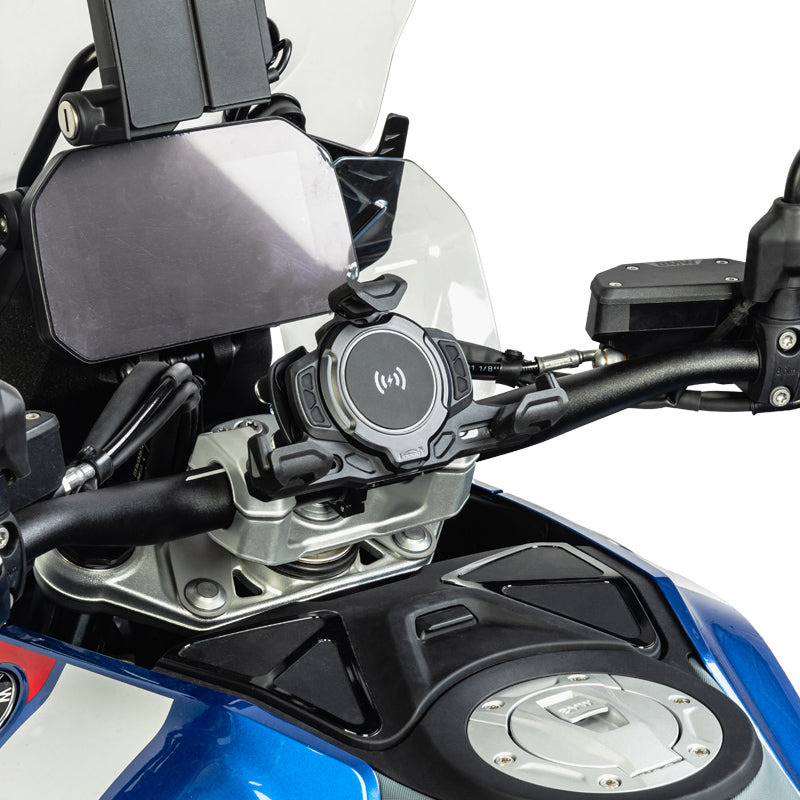
Today, preparing a travel motorcycle without considering navigation is unrealistic. The Ténéré 700 is well suited for use with dedicated GPS, rugged smartphones, or compact navigation tablets, but the mount must be stable, legible, and positioned sensibly.

A simple rule applies here: visibility yes, interference no. The device must remain in the field of vision without requiring too much distraction. Specific crossbar mounts or dedicated structures above the instrumentation are often the neatest choice.

Equally important is power supply. USB sockets, protected wiring, and reliable charging systems are truly useful when you use tracks, offline maps, intercoms, and devices for many hours. In a well-designed travel setup, the electrical part is not an improvised addition but a clean, protected system consistent with use in difficult conditions.

Lighting: See Better and Be Seen

If you travel at dawn, dusk, or in variable weather, supplementary lighting is one of the most useful upgrades. Well-positioned auxiliary lights improve road shoulder visibility, increase the motorcycle's visibility, and help on extra-urban stretches.

Here too, however, moderation is needed. An oversized system, poorly mounted, or too exposed can create more problems than advantages. It is better to choose compact systems that are resistant to vibrations and can be properly integrated with the motorcycle.

What to Avoid When Outfitting a T7 for Travel

The most common risk is to overload the bike too much. The Ténéré 700 is appealing because it is relatively essential and manageable. If you add heavy protection, large panniers, a top case, lights, mounts, tools, and various accessories without a precise logic, you lose part of that advantage.

The second mistake is neglecting real compatibility. A technically valid accessory that is generic in design can create interference, untidy installations, or annoying compromises. On a travel motorcycle, specific compatibility is as important as component quality.

The third is ignoring your own riding style. Someone who does a lot of highway riding will have different needs than someone who spends hours on secondary roads and gravel. There is no perfect package for everyone. There is a configuration consistent with your use.

The Right Configuration Depends on the Type of Trip

For classic touring use, with a prevalence of asphalt and organized luggage, the priority goes to well-integrated panniers, aerodynamic comfort, a more suitable seat, and reliable navigation. For an adventure trip with frequent off-road sections, complete protection, lighter and more compact luggage, standing ergonomics, and mounts that truly withstand stress become central.

This is where a technical selection made by model and intended use makes a difference. Endurrad works precisely on this approach: not generic accessories, but compatible solutions designed for those who prepare their motorcycle to actually depart.

The Ténéré 700 is one of the best bases for traveling without complicating your life. But it performs best when every accessory has a precise function. If you are choosing how to equip it, start with what you really need on your next route. The rest, on a trip, always weighs more than you think.

Do you have a question about your motorcycle? We respond Monday to Friday, 8:30 a.m.–5:30 p.m.
Scrivici su WhatsApp

Commenti

Dallo shop Endurrad

Prima di partire: gli accessori che servono sempre

-33%
Endurrad 30L Universal Rear Bags
€80,00 Prezzo di listino €120,00
Consegna in 2-3 giorni lavorativi
-9%
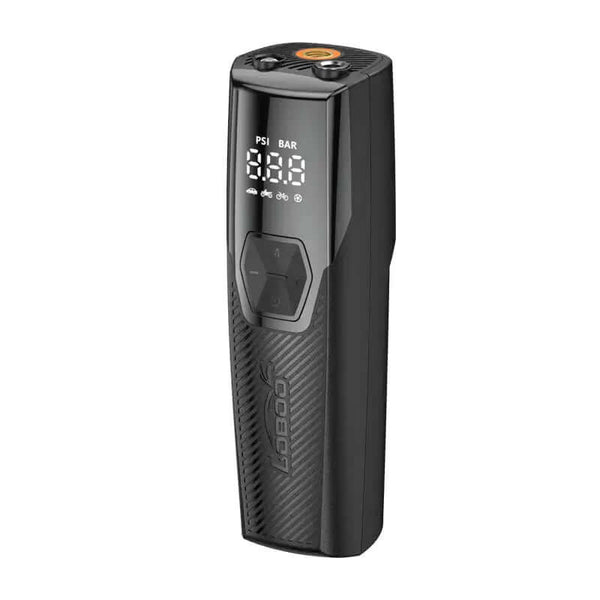
LOBOO LOBOO CP06 portable compressor for motorcycles and cars | 150 PSI, 35 L/min, 294 g 4,0 (1) recensioni
€50,00 Prezzo di listino €55,00
Consegna in 2-3 giorni lavorativi
-9%
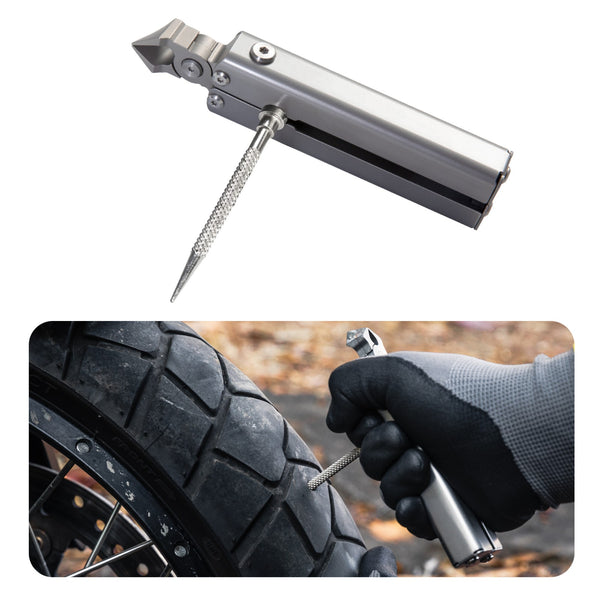
LOBOO Tubeless motorcycle tire repair kit with pliers and case
€32,00 Prezzo di listino €35,00
Consegna in 2-3 giorni lavorativi

Dal blog

Altri articoli

Tutti gli articoli
{"@context":"http:\/\/schema.org\/","@id":"\/en\/blogs\/news-motorcycle-accessories\/accessori-yamaha-tenere-700-viaggio#article","@type":"Article","mainEntityOfPage":{"@type":"WebPage","@id":"https:\/\/endurrad.com\/en\/blogs\/news-motorcycle-accessories\/accessori-yamaha-tenere-700-viaggio"},"articleBody":"Anyone who actually prepares a T7 for a trip knows: the difference between an enjoyable motorcycle and one ready to tackle days of asphalt, gravel, and heavy loads lies in the right accessories. When it comes to Yamaha Ténéré 700 travel accessories, the point isn't to load the bike with components, but to choose those that improve range, protection, comfort, and luggage management without compromising its balance.\nThe Ténéré 700 is well-designed from the start. It has a solid foundation, a reliable twin-cylinder engine, honest handling, and a genuine calling for mixed use. This is precisely why it needs to be accessorized thoughtfully. Every added component changes weight, bulk, load distribution, and ease of use. On a bike like this, selection matters more than quantity.\nYamaha Ténéré 700 Travel Accessories: Where to Start\nThe first mistake is starting with aesthetics. The second is copying the setup of someone whose usage differs from yours. A Ténéré used for long weekend asphalt rides with some gravel roads requires different choices than a bike loaded for a two-week trip with real off-road sections.\nThe correct approach is simple: first protection and load capacity, then comfort, and finally navigation and details. This is a logical order because stationary drops, long transfers, and the need to carry everything come before any secondary accessory.\nProtection: The Technical Foundation of a Travel Motorcycle\nOn a Ténéré 700 destined for travel, protection is not an extra. It is part of the preparation. Skid plates, crash bars, and protection for exposed components serve to limit damage from low-speed falls, impacts on rocks, and the classic unforeseen events of a trip.\nThe skid plate must be truly structural, with adequate coverage on the bottom and sides. It's not enough to shield just the bare minimum. If you ride on gravel, protection against sharp impacts and debris is a technical requirement, not a preference. Side crash bars also make sense, but here lies the first compromise: more protection means more weight. If your use is primarily on roads, you can opt for a less intrusive configuration. However, if the bike will see trails, rocks, and slow maneuvers with a full load, it's worth considering comprehensive protection.\nRobust handguards, radiator guards, and, where provided, headlight covers or sensitive component covers should also be considered. These accessories have little impact on daily use but can prevent concrete problems far from home.\nPanniers and Bags: Load Capacity Without Penalizing Riding\nLuggage management is probably the most delicate issue when choosing accessories for a Yamaha Ténéré 700 for travel. The right question is not how much capacity you need in absolute terms, but how much capacity you can use well.\nAluminum panniers remain a highly appreciated solution for their strength, load organization, and ease of access. On long asphalt journeys, with organized stops and the need to transport equipment, they offer real practicality. However, they have bulk, weight, and greater rigidity, which can be less favorable off-road.\nHigh-end semi-rigid or soft bags are often more suitable for those who want to maintain a freer ride on mixed terrain. They weigh less, absorb vibrations better, and, in the event of a fall, reduce some risks associated with rigid edges. On the other hand, they require more careful management of internal organization and fastening.\nThe top case also needs careful consideration. It is convenient, especially for touring and daily use, but loading weight very high and very far back changes the bike's behavior. On a T7, it can make sense for those who ride more on roads than off-road, less so for those seeking the best control on uneven surfaces.\nThe best choice depends on the itinerary, the type of accommodation, the amount of technical equipment, and how often you want to unload your luggage. In general, the most effective setup is one that centralizes weights and keeps the bike manageable even when fully loaded.\nFrames, Supports, and Fastening\nIt's not just about the bag or pannier. It's about the complete system. Side frames, luggage racks, and fastening points must be compatible with the Ténéré 700 and designed to withstand vibrations, torsion, and intensive use.\nA well-designed support prevents play, noise, unwanted movement, and premature wear. It's an unglamorous aspect, but it makes a difference on a trip. Anyone who has ridden hundreds of kilometers on damaged asphalt or gravel knows that the problem isn't mounting luggage, but keeping it stable over time.\nRiding Comfort: Less Fatigue, More Miles\nA Ténéré 700 can take you far even in standard configuration, but after many hours, clear limitations emerge. Windshield height, riding posture, air pressure on the torso, and rider support directly affect fatigue.\nA well-chosen windscreen or spoiler can greatly improve aerodynamic comfort, but there is no universal solution. Rider height, helmet, and riding position change the outcome. For this reason, it is advisable to focus on components designed to offer adjustment or on solutions already known for their specific compatibility with the T7.\nThe seat also deserves attention. On long stretches, a seat more suited to one's body reduces fatigue and soreness. Here, not only the padding matters, but also the shape, usable width, and freedom of movement when standing on the footpegs. A very comfortable seat on asphalt may be less valid if you ride off-road standing for long stretches.\nThen there are the footpegs, handlebar risers, and ergonomic accessories. If you have a tall build or often ride standing, proper adjustment improves control and precision. If, on the other hand, you primarily make road transfers, it may be more useful to work on aerodynamic protection and reducing perceived vibrations.\nNavigation and Electrical Power\nToday, preparing a travel motorcycle without considering navigation is unrealistic. The Ténéré 700 is well suited for use with dedicated GPS, rugged smartphones, or compact navigation tablets, but the mount must be stable, legible, and positioned sensibly.\nA simple rule applies here: visibility yes, interference no. The device must remain in the field of vision without requiring too much distraction. Specific crossbar mounts or dedicated structures above the instrumentation are often the neatest choice.\nEqually important is power supply. USB sockets, protected wiring, and reliable charging systems are truly useful when you use tracks, offline maps, intercoms, and devices for many hours. In a well-designed travel setup, the electrical part is not an improvised addition but a clean, protected system consistent with use in difficult conditions.\nLighting: See Better and Be Seen\nIf you travel at dawn, dusk, or in variable weather, supplementary lighting is one of the most useful upgrades. Well-positioned auxiliary lights improve road shoulder visibility, increase the motorcycle's visibility, and help on extra-urban stretches.\nHere too, however, moderation is needed. An oversized system, poorly mounted, or too exposed can create more problems than advantages. It is better to choose compact systems that are resistant to vibrations and can be properly integrated with the motorcycle.\nWhat to Avoid When Outfitting a T7 for Travel\nThe most common risk is to overload the bike too much. The Ténéré 700 is appealing because it is relatively essential and manageable. If you add heavy protection, large panniers, a top case, lights, mounts, tools, and various accessories without a precise logic, you lose part of that advantage.\nThe second mistake is neglecting real compatibility. A technically valid accessory that is generic in design can create interference, untidy installations, or annoying compromises. On a travel motorcycle, specific compatibility is as important as component quality.\nThe third is ignoring your own riding style. Someone who does a lot of highway riding will have different needs than someone who spends hours on secondary roads and gravel. There is no perfect package for everyone. There is a configuration consistent with your use.\nThe Right Configuration Depends on the Type of Trip\nFor classic touring use, with a prevalence of asphalt and organized luggage, the priority goes to well-integrated panniers, aerodynamic comfort, a more suitable seat, and reliable navigation. For an adventure trip with frequent off-road sections, complete protection, lighter and more compact luggage, standing ergonomics, and mounts that truly withstand stress become central.\nThis is where a technical selection made by model and intended use makes a difference. Endurrad works precisely on this approach: not generic accessories, but compatible solutions designed for those who prepare their motorcycle to actually depart.\nThe Ténéré 700 is one of the best bases for traveling without complicating your life. But it performs best when every accessory has a precise function. If you are choosing how to equip it, start with what you really need on your next route. The rest, on a trip, always weighs more than you think.","headline":"Yamaha Ténéré 700 travel accessories: what you need","description":"Yamaha Ténéré 700 travel accessories: protection, luggage, comfort, navigation, and lights. What to really choose to travel better.","image":"https:\/\/endurrad.com\/cdn\/shop\/articles\/accessori-yamaha-tenere-700-viaggio-cosa-serve-5318842.webp?v=1776229876\u0026width=1920","datePublished":"2026-04-15T04:10:48+02:00","dateModified":"2026-04-15T04:10:46+02:00","author":{"@type":"Person","name":"Endurrad"},"publisher":{"@type":"Organization","name":"Endurrad®"}}