

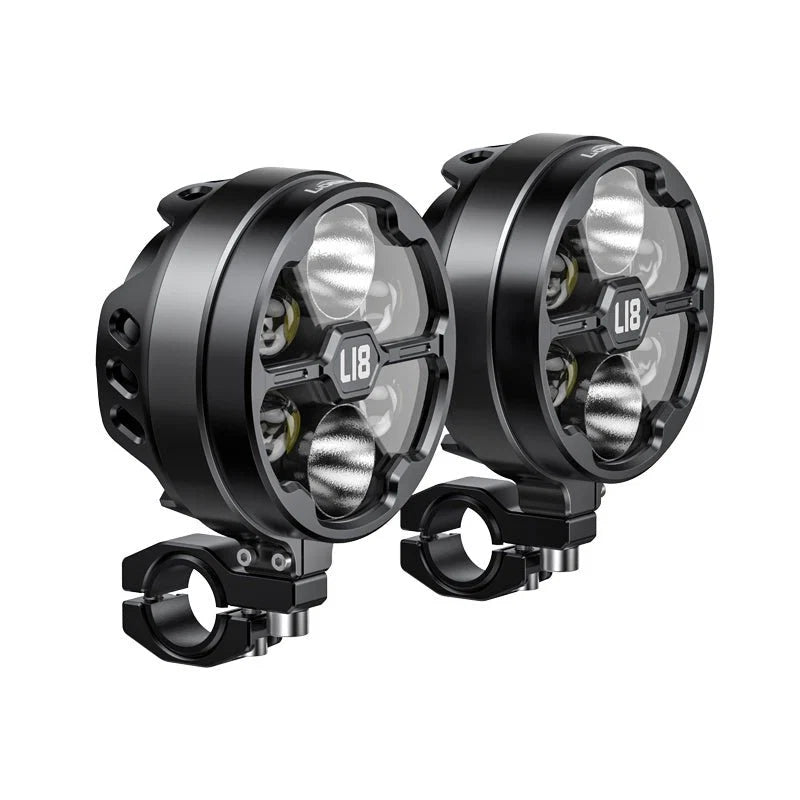
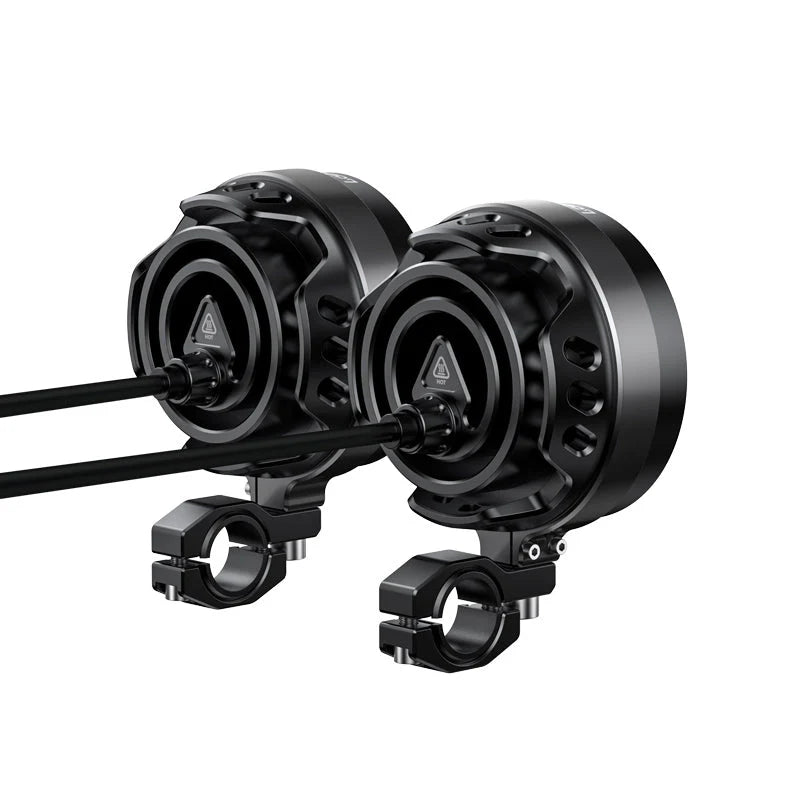
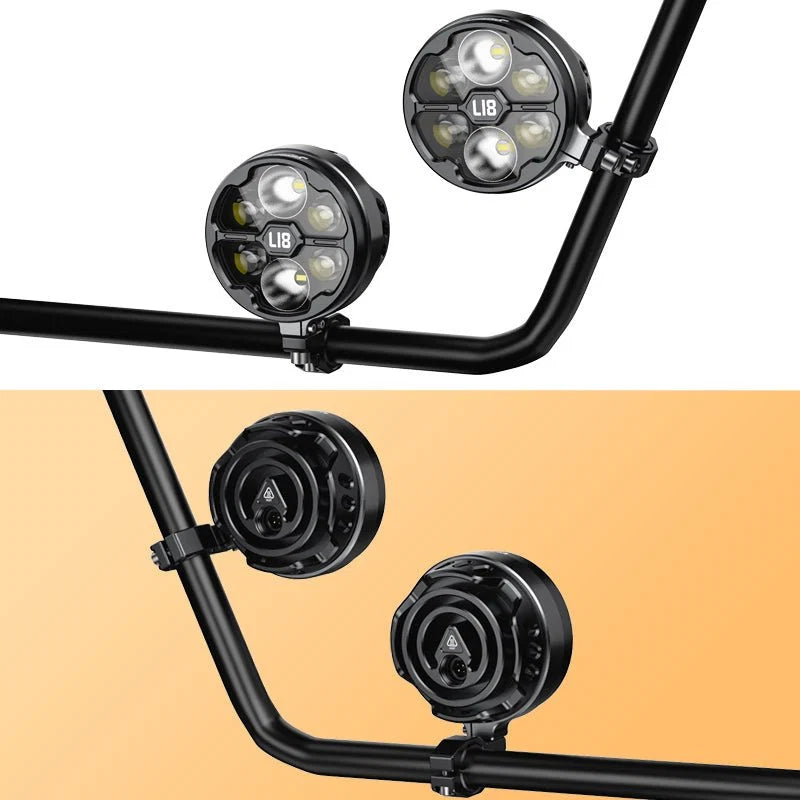
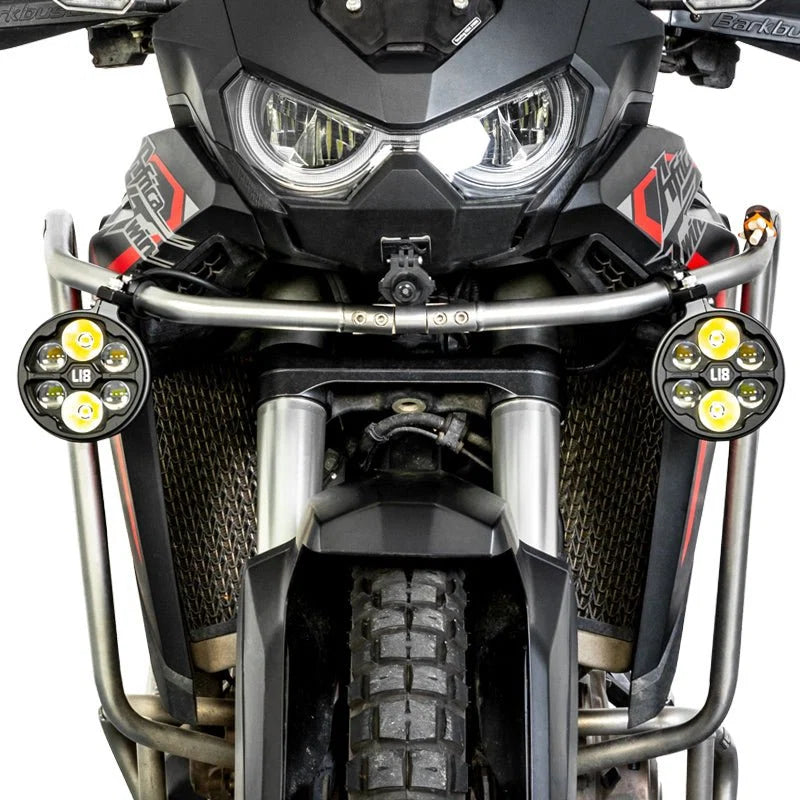
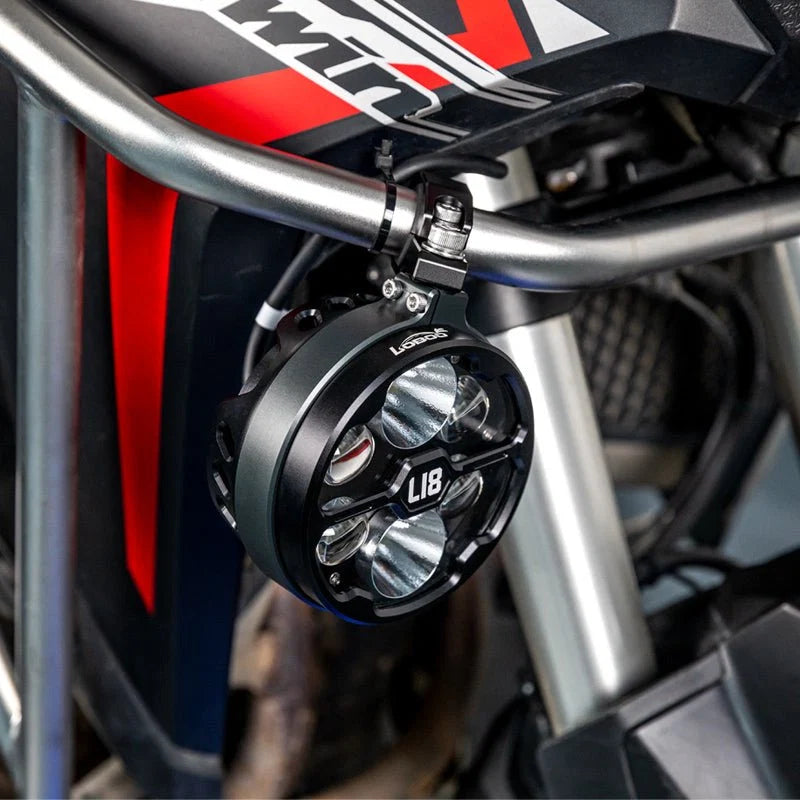
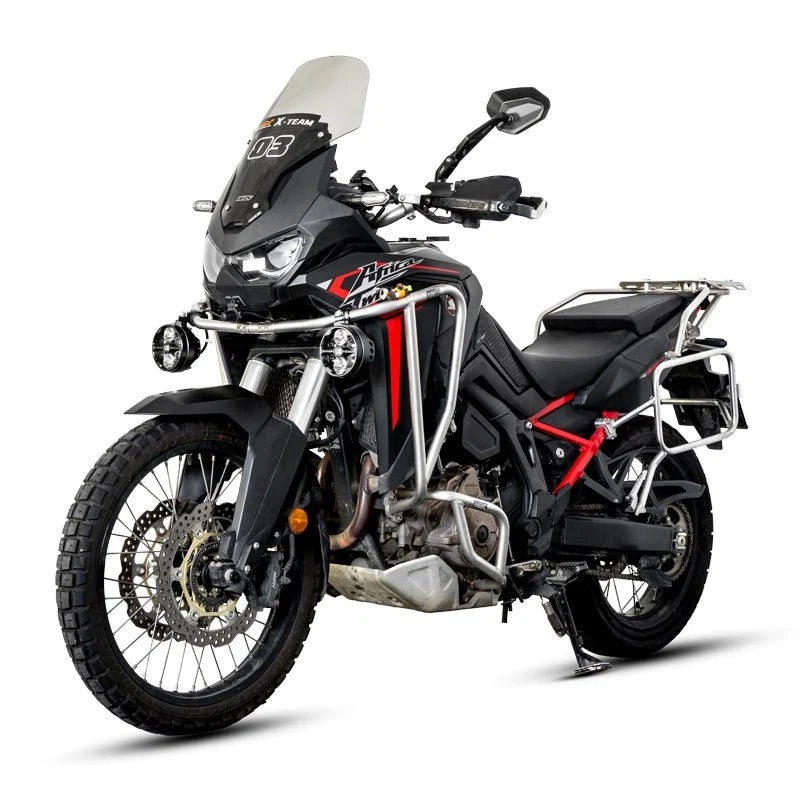
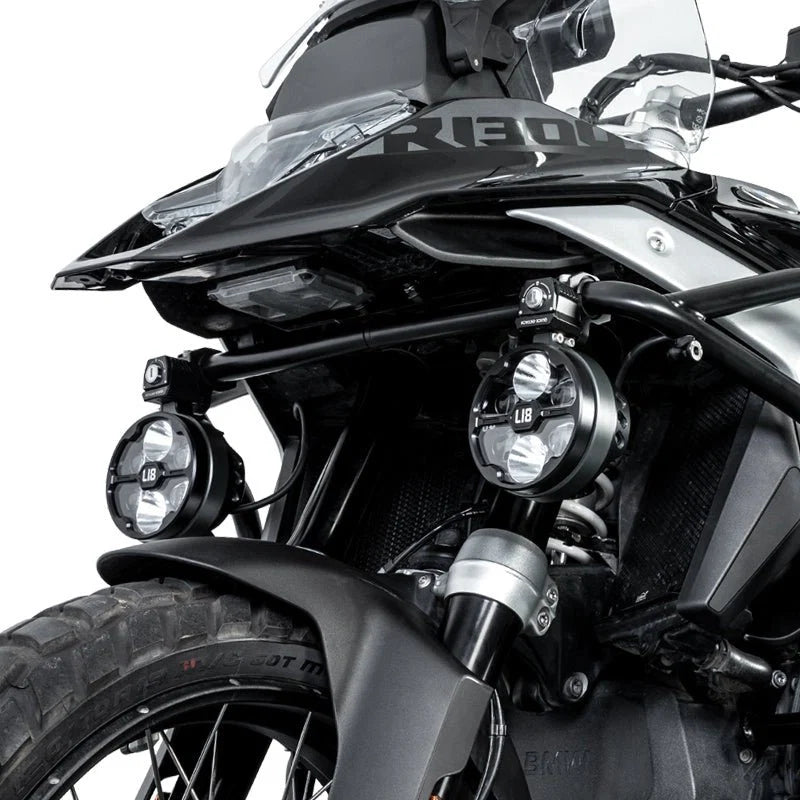
Approved auxiliary motorcycle lights with 21,000 lumens, six LEDs, and glass lens
Sale price€895,50Regular price
€995,00
In stock, ready to ship
ECE R149 Class B approved – 21,000 lm – from white to yellow without filters
L18S
—
Cosa è compreso nel prezzo
Scarica i manuali e i documenti
Documentazione ufficiale LOBOO in PDF: puoi consultarla prima dell'acquisto per vedere montaggio, dotazione e istruzioni.
- PDF Manuale d'istruzioniManuale d uso fari L16 . L18 Loboo 2
- PDF Documento del produttore L1820230612
- PDF Certificato di omologazione L18SOmologazione E57 149R00-06 1206 00 FULL FILE
Vedi tutti i documenti nella scheda «Documenti e produttore» ↓
- Spedizione gratuitaoltre 100 € in Italia, oltre 250 € in Europa
- Garanzia 24 mesigaranzia legale di conformità
- Pagamento a ratedisponibile al checkout
- Reso entro 14 giornidalla ricezione dell'ordine
Hai dubbi sulla compatibilità? Contattaci prima dell'acquisto →
I recommend them to you!
Original LOBOO product, guaranteed
Approved auxiliary motorcycle lights with 21,000 lumens, six LEDs, and glass lens
Sale price€895,50Regular price
€995,00
If you have any questions, please do not hesitate to contact us. We will get back to you as soon as possible, within 24 hours on weekdays.
-
Endurrad accessory delivery
For accessories purchased from Endurrad.com, delivery times vary depending on product availability.
Estimated delivery times:
Products in stock: generally shipped within 24–48 business hours.
Products available from the supplier: estimated delivery within 5–10 business days.
Made-to-order or temporarily unavailable products: delivery times may vary and are indicated on the product page or communicated by our customer service team.
As soon as your order is handed over to the carrier, you will receive the information needed to track the shipment.
The accessories are carefully checked and packaged before shipping. When provided by the manufacturer, the package includes manuals, assembly instructions, documentation, and the accessories required for installation.
For products with special availability or procurement times, we recommend contacting Endurrad before purchasing to learn the latest estimated delivery time.
-
Customer support
Available Mon. to Fri.
- 08:30 - 13:30
- 14:30 - 17:30
- Saturday and Sunday - Closed
-
Contacts
ECE R149 Class B
Type approval
21.000lm
Luminous flux
3000–6000K
Color temperature
6 LEDs per headlight
Light source
Type approval
ECE certificate
R149.00 Class B RHT
E57*149R00/08*1206*00 dated 26/02/2025, test report ATS-SM-IR-149-11036 dated 19/02/2025, file L18S-00, marking 149R-001206 on the body
Covered variants
L18, L18Pro, L18Q, L18D
Covered by the same certificate as type L18S
Color
White
The colorimetric measurements in the test report are based on white; the dossier states the type as white/yellow
Lighting
Luminous flux
21.000
On the pair, with low beam and high beam active
Low beam only
5.000-16.500
Adjustable to eight levels
Measured target flow
1.402 / 2.399
Low beam and high beam according to the test report, against a required minimum of 1,000 lm
Color temperature
3000-6000
Variable from the ring, without lens cap
Source
6
For headlight, non-replaceable
Energy
Absorption
210
Maximum with both beams; 50–165 W on low beam
Voltage
12-15
Direct current, motorcycle system
Commands
Adjustment
8
Eight for brightness and eight for color temperature, all from the same ring.
Alert mode
3
More overtaking flashes and synchronization with the horn
Construction
Protection
IP68
With automatic thermal control and reverse-polarity protection
Materials
CNC aluminum
Clear glass lens, black body
Package
Headlights included
2
Sold in pairs with two clamps, four 25 mm bushings, four 22 mm bushings, wiring, and a control ring
Assembly
Collars included
22 / 25 / 28
The 32 mm and 38 mm ones are sold separately
Torque pairs
5 / 10 / 18
Four M4×10 to 5, four M6×16 to 10, and two M8×20 from the accessory kit to 18 N·m
Included tools
3, 5, and 6 mm hex keys
With threadlocker, ten 150 × 3.6 mm cable ties, and a pair of work gloves
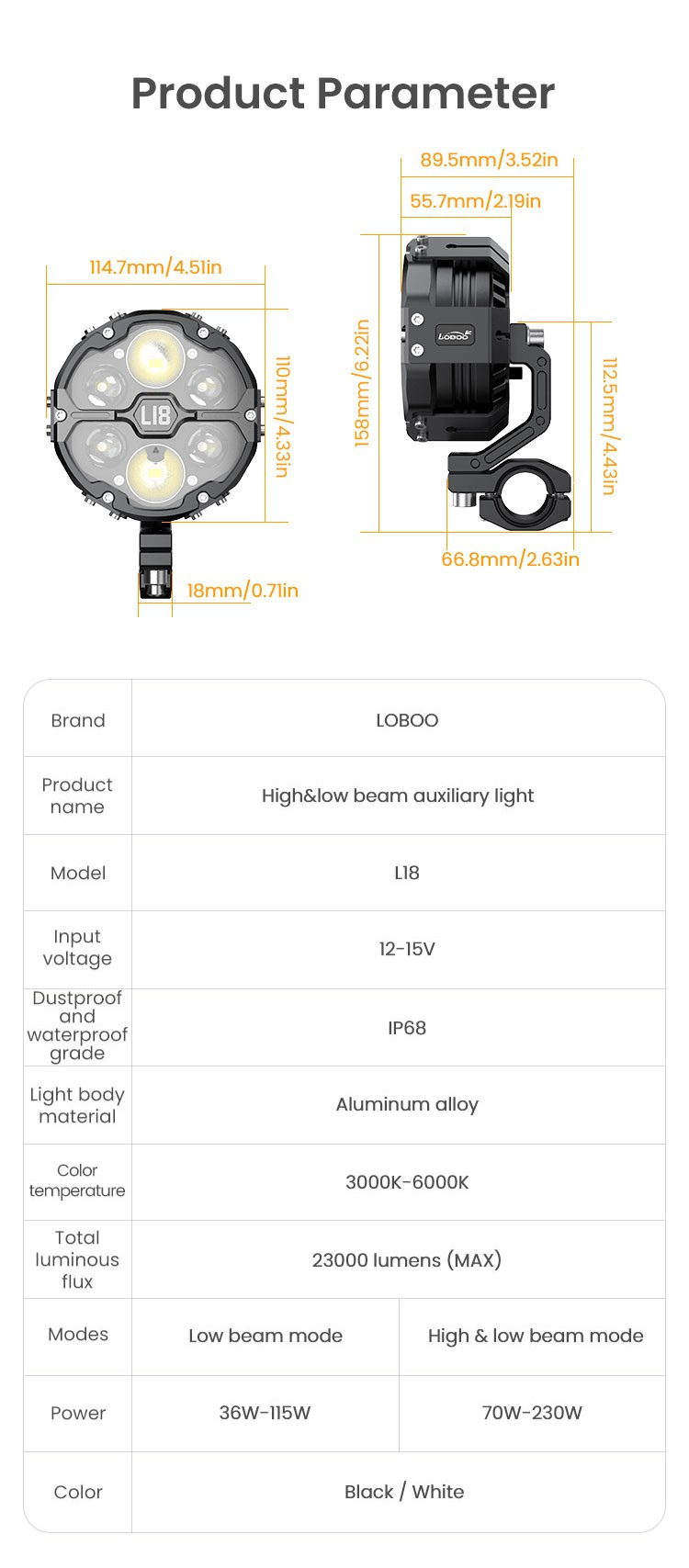
Dimensions
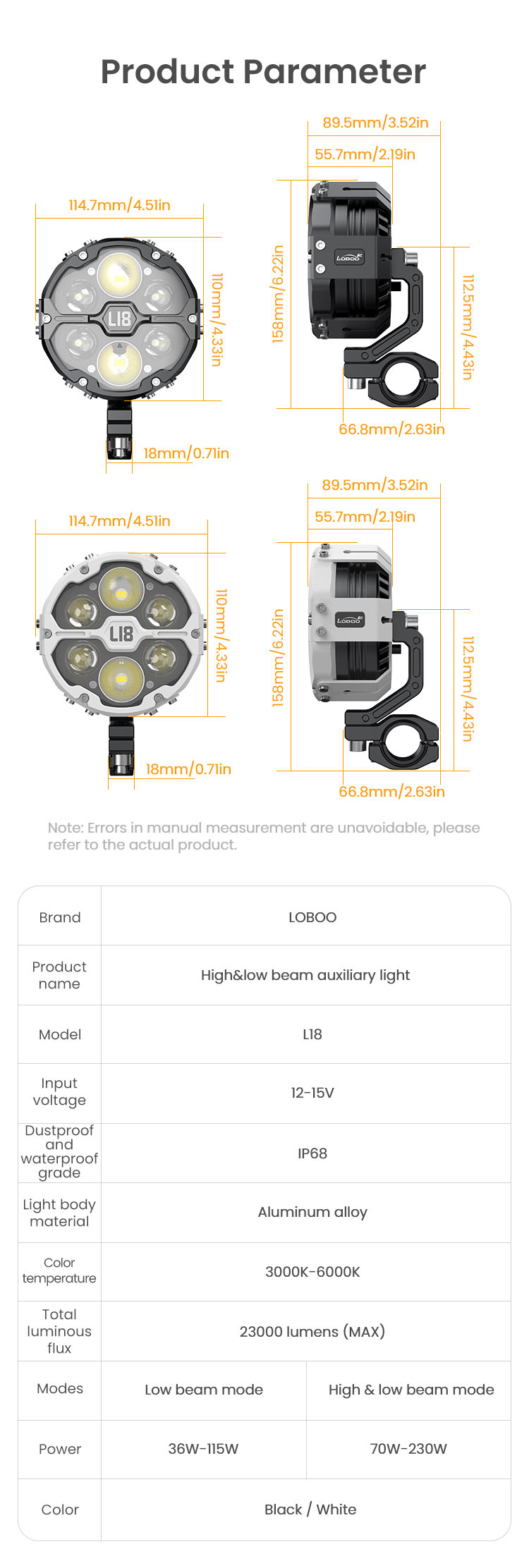
108,4
Diameter; depth 86.5 mm, height 154.8 mm with bracket
The most powerful auxiliary light in the homologated LOBOO range: 21,000 lumens and adjustable color temperature on the go.
All you need to know before ordering
Technical specifications, equipment, delivery, and warranty: find every detail, verified against official LOBOO documentation, below.
Description Approved auxiliary motorcycle lights with 21,000 lumens, six LEDs, and glass lens
The LOBOO L18S is the pinnacle of the LOBOO auxiliary light range: 21,000 lumens, six LEDs per light, and color temperature shifting from white to yellow without the need for lens covers.
ECE R149 Approved
Certified E57*149R00/08*1206, UN Regulation R149.00 Class B for right-hand traffic, with both dipped and main beams approved and the mark stamped on the body. Most aftermarket spotlights, however, are sold with the clause "for off-road use only."
Twenty-one thousand lumens, manageable
The dipped beam alone covers 5,000 to 16,500 lumens; with both main and dipped beams together, it reaches 21,000. For comparison, a motorcycle's original LED stops around 1,500.
The eight levels are what make this power usable: in the city or behind a car, you can lower it to the minimum instead of turning it off. Power consumption follows the intensity, from 50 to 165 W for the dipped beam and from 65 to 210 W with both beams.
From white to yellow, while riding
On other spotlights, yellow light is achieved with a lens cover that must be installed manually. Here, the color temperature changes electronically from 6000 K to 3000 K, across eight levels, by pressing and rotating the same ring that adjusts brightness. With fog coming and going, you don't have to stop.
Reflector, not just a lens
The L18S uses a cup reflector that distributes light more evenly across the illuminated area: less central hot spot, more real coverage of the roadway and edges.
One ring for everything
The aluminum alloy ring is installed on the clutch control. Press the main button to switch from dipped to main beam, rotate for brightness, press and rotate for color temperature. A dedicated button controls the passing flash.
Holding the horn for two-tenths of a second activates the warning flash, in addition to the three autonomous strobe modes.
Construction
Six non-replaceable LEDs per light, glass lens, entirely CNC machined aluminum alloy body with dissipation fins and IP68 rating. At 210 W, heat management is not a detail: the system automatically reduces power if the temperature rises, and the circuit is protected against reverse polarity and overvoltage.
Mounting
Multi-axis adjustable bracket. The included clamps cover tubes from 22, 25, and 28 mm; those for 32 and 38 mm are separate accessories, as indicated by LOBOO.
Diameter 108.4 mm, depth 86.5 mm, total height 154.8 mm with bracket.
Why choose it
Who is it recommended for
Documents and manufacturer

The most powerful headlight in the range, and how to control it

Bowl reflector: distributed, not concentrated light

You’re LED and have glass lenses, not polycarbonate.

Twenty-one thousand lumens, and eight levels to control them

A single adjustment ring on the clutch control

Two accessories that transform everyday use

From white to yellow, without stopping

The horn also becomes a visual signal

On BMWs, they are controlled using the original rotary dial.

Aluminum isn’t about aesthetics; it’s about heat dissipation.

Machined from solid, not assembled

At 210 W, heat is the real adversary

IP68: driving rain, dust, fording_depth

Adjustable on multiple axes, wherever there is a pipe

What pipe are they mounted on?

The stated quotes and numbers

Where do they end up on real motorcycles?

Do you have a BMW? Control them with the original dial
FAQs
For more information, please see our FAQ.
Is the LOBOO L18S approved for road use?
How many lumens does the L18S really produce?
How do you change the color temperature from white to yellow?
What’s the difference between the L18S and the LOBOO L16?
What pipe diameters does it fit?
Does installation require modifications to the motorcycle?
How much power does it draw, and can my electrical system handle it?
Can I control them using my BMW’s original control dial?
Can they be quickly removed when I leave the motorcycle in the city?
Is the product covered by a warranty?
Buying guides, technical comparisons, and news on adventure motorcycle accessories
Before choosing
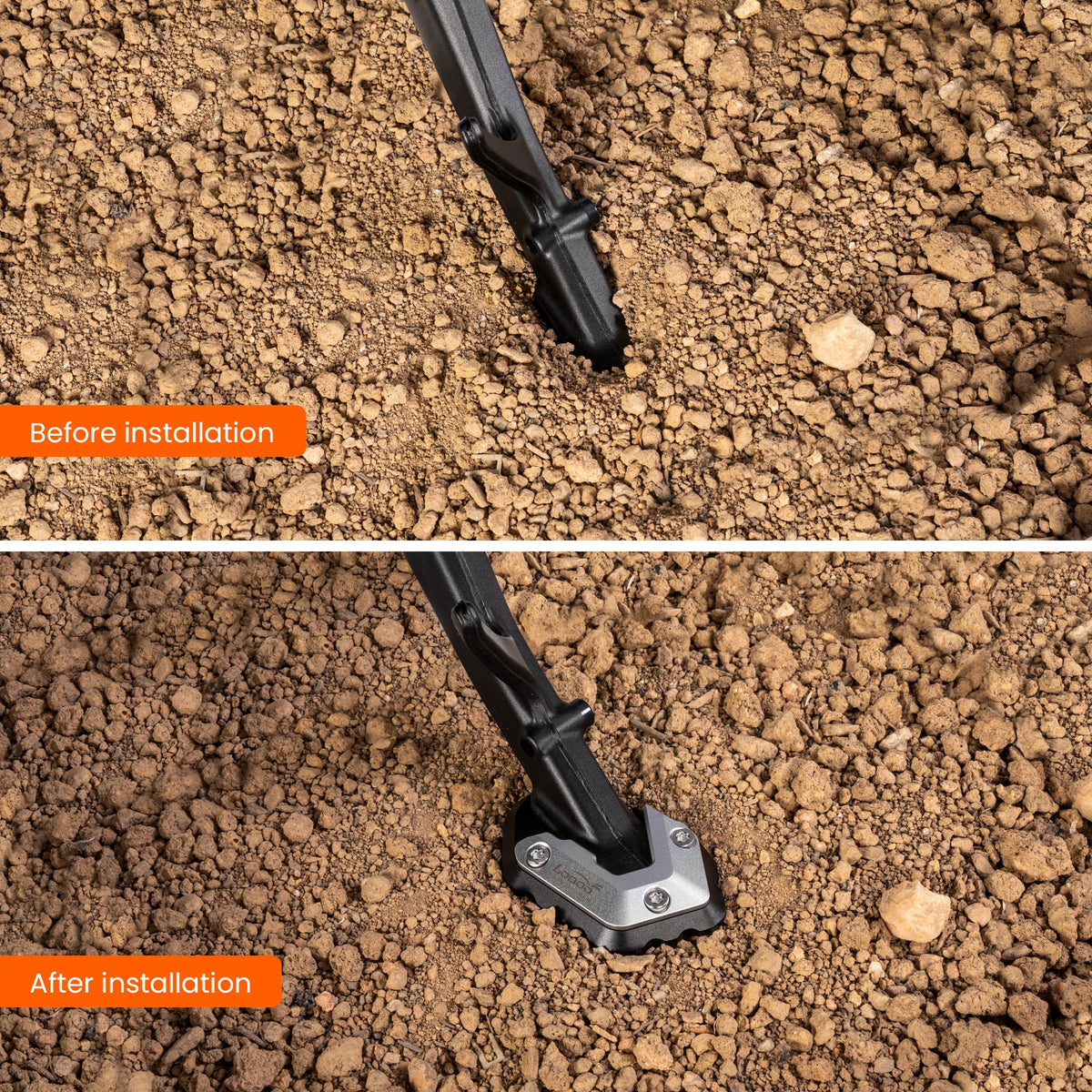
BMW GS kickstand plate: which LOBOO code fits your motorcycle
Which kickstand plate does your BMW GS need? LOBOO CJC code table for the R 1300 GS, R 1250 GS, F 900 GS, and F 850 GS, with stated compatibility, prices, and installation.
Read moreabout BMW GS kickstand plate: which LOBOO code fits your motorcycle
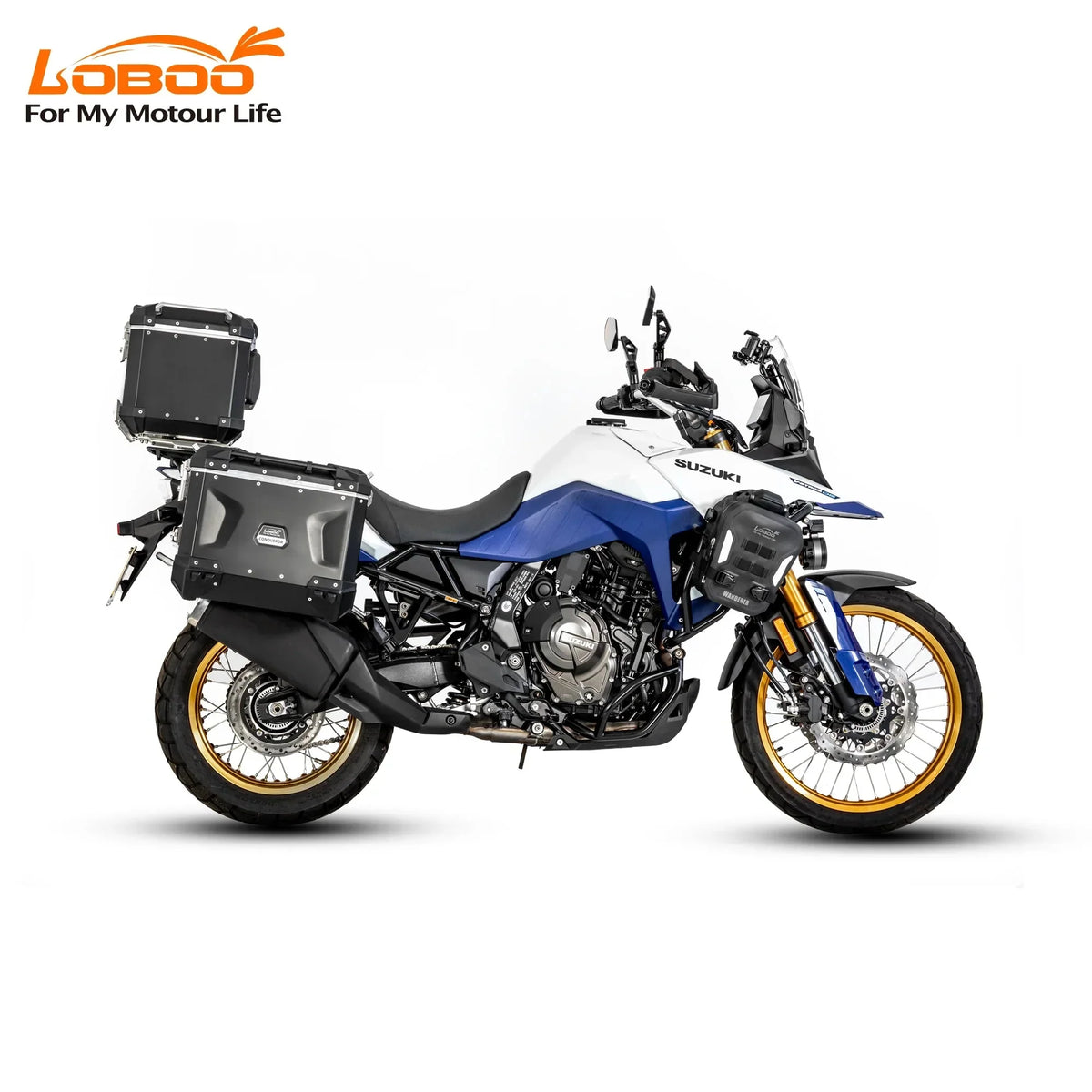
Suzuki V-Strom 800DE: which panniers and top case to fit, with racks and real prices
On the Suzuki V-Strom 800DE from 2024 onward, LOBOO hard luggage consists of two independent supports: the JP421B side frame and the JP421W plate. A comparison of configurations, capacity in liters, prices, actual stock availability, and installation.
Read moreabout Suzuki V-Strom 800DE: which panniers and top case to fit, with racks and real prices
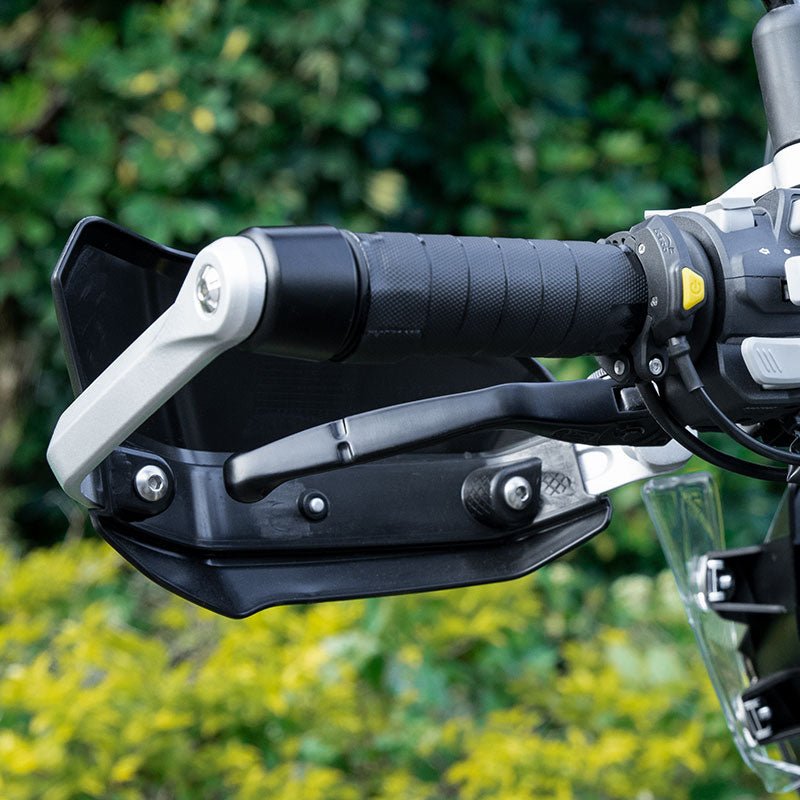
Heated motorcycle grip covers: Will they fit yours? Size, wiring, and installation of the LOBOO H80
A heated grip cover is not chosen by motorcycle model but by the grip diameter: the LOBOO H80 fits grips from 29 to 35 mm. How to measure, connect to a 12–15 V system, and install without removing the controls.
Let customers speak for us
Excellent quality
Good price
Very fast shipping and very well managed
Lea Rosset

Waterproof Crash Bar Bags 6L
Premium upgrade on my BMW GS
I installed the JADO S6 on my BMW GS (non-"dedicated" version), and although I don't use the BMW base, the display and features are still top notch. The night visibility is impressive, and the "X-Ray" mode, as they call it, makes evening riding much safer. I also appreciate Endurrad's quick support for pre-purchase clarifications: fast shipping, careful packaging. A product that is really worth the expense for a premium upgrade.
Andrea

JADO S6 smart motorcycle guidance system
Robust, complete, and perfect for long trips
As a motorcyclist who travels many miles, both on asphalt and off-road, I was looking for a solid display with advanced features: well, the JADO S6 exceeded my expectations. The body is sturdy, and the IP69K waterproof rating won me over from the very first downpour. The WiFi/BT connection is stable, and the dedicated app makes downloading dashcam videos super fast. All in one device, without having to mount 3-4 different accessories. Excellent value for money.
Filippo
JADO S6 smart motorcycle driving system
The ultimate system for motorcycle travelers
Installed a few weeks ago on my adventure bike: the JADO S6 is truly a quantum leap in quality. The 6" screen is ultra-bright (even in direct sunlight it is perfectly visible) and the CarPlay/Android Auto interface works first time. The integrated dual dashcam gives me peace of mind on every trip. Installation was simple, with a clean fit without any invasive systems. Highly recommended for serious travelers who want a single smart control unit that does everything.
Giordi
JADO S6 smart motorcycle guidance system
PROTECTION FOR MOTORCYCLE CRASH BARS
Excellent product, highly recommended. Be aware that it sells like hot cakes and is often out of stock... As soon as it's available, I'll buy more...
Eugenio

Protection for motorcycle crash bars - Endurrad

Great product, good value for money
The bag is of excellent quality and comes with all the necessary straps and a shoulder strap. The two methods of attaching it to the motorcycle are well designed and offer a range of options. I will also buy the larger model.
Andra Frois

20L Additional Bag for Suitcases

Very satisfied
I saw the Endurrad ad on Facebook and immediately set about getting Loboo inflatable bags for my motorcycle...... But due to a technical error, I entered the wrong information on the order, which had already been shipped. Alarmed, I sent emails to the Endurrad staff, who, with their professionalism (and I must add, their patience), corrected the information both in the registration and with the courier, who was already on his way to deliver the order...Within two days, I received the bags and immediately tried them out and fitted them to my motorcycle. So I must say with great satisfaction that I was very pleased with the staff, with the product, and above all with the professionalism with which the marketing of all these products was carried out..... 🙂
Walter Fanale

Wanderer Inflatable Bags for Crash Bars - Endurrad

Excellent
Excellent product... Fast and punctual shipping. Giuseppe is knowledgeable, kind, and helpful.
CONTU ROBERTO

KOVE 800 X Side Cases - LOBOO PIKE TRACKER
The most beautiful hand guards around
Materials, design, ease of assembly, height-adjustable spoiler, alloy core, all really beautiful and functional
Franco Pesci

Handguards for BMW GS: Protection and Comfort in Every Adventure
Loboo L 11 spotlights
Very powerful light, very easy to install, even for someone like me who knows nothing about electrical systems.
Very happy
Franco Pesci

L11 15,000 Lumen Motorcycle Spotlights - Endurrad
Untitled... just one thing: SERIOUS
I would say serious, honest, friendly professionals without controversy, because advertising is the basis of sales! As a motorcyclist, only excellent reviews!
Andrea Azzaroni

Wanderer Inflatable Bags for Crash Bars - Endurrad
Loboo motorcycle bags
Reliability and professionalism...product as described...I was surprised by the quality of the details, starting with the box and everything else...top..top.....top
Carlo Di Domenico
Waterproof Crash Bar Bags 6L


